
UK Car Insurance Inflation Hits 8% as Fuel Costs Soar
UK car insurance inflation reached 8% in October, outpacing CPI. We examine what rising premiums and fuel costs mean for motorists.

The Parking Ticket Pal Editorial Team
19 November 202611 min read
Car Insurance Inflation Hits 8%: Why Your Premium Is Outrunning Everything Else
You open your renewal email, brace yourself and still wince. Then you fill up the tank and wince again. If that feels like a double hit, the latest official figures suggest you are not imagining it.
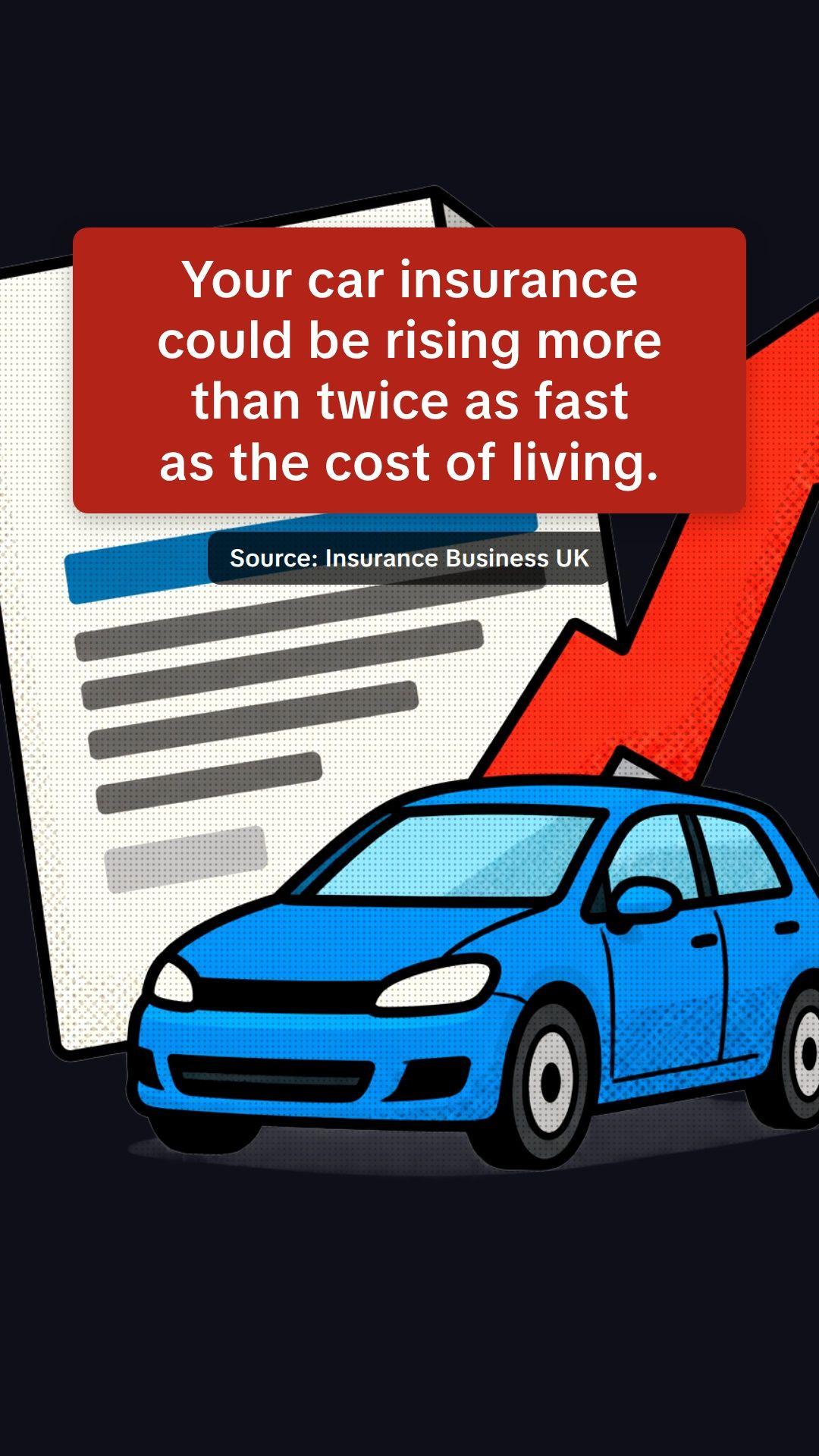
Motor insurance prices rose 8% in the year to October, according to Insurance Business UK. That is more than double the headline consumer price increase of 3.6%. Over the same period, motor-fuel prices were up 33.2% year on year, with diesel averaging 199.5p per litre.
Driving is getting more expensive on two fronts at once, and the two are connected in ways that are easy to miss.
What the figures actually say
Inflation, as measured by the Consumer Prices Index (CPI), rose for a fourth consecutive month. Within that overall picture, two motoring costs stand out:
- Motor insurance: up 8% in the year to October, against 3.6% for CPI overall.
- Motor fuel: up 33.2% over the year, with diesel averaging 199.5p per litre.
Insurance is a "sticky" cost. Petrol and diesel prices jump around week to week, and you can see them on every forecourt sign. An insurance premium arrives once a year, usually as a single number you have little context for. When it rises faster than inflation, many drivers simply pay it.
It also matters that the 8% is an average. Your own renewal quote could be well above or below it, depending on your age, postcode, vehicle, claims history and how you buy cover. Treat the figure as a signal of the market's direction, not a prediction of your bill.
Why it matters beyond your wallet
For a household, a motor premium sits alongside fuel, tax, MOT, servicing and parking. When two of those items rise sharply at once, budgets get squeezed, and the squeeze can push people towards risky choices. Some of those choices carry legal consequences.
Insurers and commentators commonly point to the rising cost of repairs, parts, labour and claims as pressures on pricing. The source report does not break down the causes, so I will not claim to know which factor is driving the October figure. But the broad logic is easy to follow. Modern cars are packed with sensors and cameras, and repairing them is not cheap. Our piece on why EV crash repairs can cost more than petrol equivalents explains how repair bills feed into the wider picture. We have also covered why UK motor insurers paid out record sums in claims, which is useful background on the claims side of the equation.
The fuel figure matters for a separate reason. A 33.2% rise changes how much people drive, and it changes how they think about the cost of each trip. If you are covering fewer miles, your annual mileage declaration may no longer match reality. That could work in your favour, if you are honest and accurate, or against you, if you let a figure drift out of date.
The legal angle: what you must have, and what you must not do
This is general information, not legal advice, but the rules are worth knowing because the temptation to cut corners rises when prices do.
Insurance is compulsory
Under section 143 of the Road Traffic Act 1988, it is an offence to use a motor vehicle on a road or other public place without at least third-party insurance. That also covers allowing someone else to use it uninsured. Penalties can include a fixed penalty with points, or a court-imposed fine and possible disqualification. Driving without insurance is a criminal matter. It is a different category from a parking charge.
Your car must be insured even if you are not driving it
Under the Continuous Insurance Enforcement regime, a registered keeper must keep a vehicle insured, even if it is parked on a driveway or street, unless it has been declared off the road with a SORN (Statutory Off Road Notice). The Motor Insurance Database is checked against DVLA records, and keepers with no match can be sent warning letters and face penalties. Cutting cover on a car you "barely use" can therefore backfire. If a vehicle really is off the road, check the official GOV.UK guidance on SORN.
Honesty in your application is a legal duty
The Consumer Insurance (Disclosure and Representations) Act 2012 requires consumers to take reasonable care not to make a misrepresentation when taking out or renewing cover. The consequences depend on whether the insurer decides the misstatement was careless or deliberate. A careless error might lead to a proportionate adjustment of the claim or premium. A deliberate or reckless one can allow an insurer to refuse claims and cancel the policy.
That matters when you are trying to shave a few pounds off a quote. Understating mileage, leaving off a modification, or not declaring where the car is kept overnight are the classic examples. We looked at how a small mismatch can escalate in what a car insurance typo can lead to, and at the risks of unreported changes in car insurance voided over stickers.
"Fronting" is not a loophole
Listing an older relative as the main driver of a car that a younger person actually uses is known as fronting. It might lower a quote, but insurers treat it as a serious misrepresentation, and it can invalidate cover when you most need it.
Your protection against loyalty penalties
The Financial Conduct Authority's pricing rules for home and motor insurance, in force since January 2022, stop firms from quoting a renewal price higher than the price they would offer an equivalent new customer through the same channel. Renewal notices must also show last year's premium alongside the new one. That does not stop premiums rising across the whole market, which is what the 8% figure reflects. It does mean the old advice to "always haggle" works differently now. If you think your renewal is out of line, you can complain to the insurer and, if unresolved, take it to the Financial Ombudsman Service.
What drivers should know: practical steps
None of this is a guarantee of a lower premium, but these are the levers most drivers have.
1. Compare properly, and compare like for like. Check the excess, the level of cover, legal expenses, breakdown, courtesy car and any exclusions. A cheaper headline price can hide a higher excess or thinner cover. Use more than one comparison site, and check a direct quote too, as some insurers do not appear on aggregators.
2. Pick your renewal timing carefully. Many drivers get quotes close to the renewal date, but you are not obliged to wait. Our explainer on the Martin Lewis 25-day rule looks at the claim that timing could affect price, and what to make of it.
3. Keep your details accurate. Annual mileage, occupation, where you park overnight, modifications, who drives the car: all of these feed the price, and all must be right. If your commute has dropped because of fuel costs, update the mileage honestly. If it has risen, do the same.
4. Be wary of choosing the highest voluntary excess to bring the premium down. A larger excess lowers the premium, but you must be able to find that sum on the day of a claim. Choose a number you could genuinely pay.
5. Think about how you pay. Monthly instalments usually involve interest, so the total can be more than an annual payment. If cash flow allows, compare the total cost both ways.
6. Consider where and how the car is kept. Insurers often treat a locked garage or private driveway differently from on-street parking. If you rely on street parking, the practical risks, including damage and theft, are also worth thinking about. Parking tickets themselves are generally civil matters rather than convictions, and our guide to council PCNs versus private parking charges explains the difference. But motoring convictions such as speeding can affect premiums.
7. Reduce fuel spend as well. The insurance and fuel pressures stack up, so efficiency matters. Our guide to the 60mph rule and cutting fuel costs is a practical starting point, and our coverage of diesel prices approaching £2 a litre goes into the pump side in more detail.
8. Do not drop to the legal minimum without thinking. Third-party-only cover is lawful but leaves your own car and your own injuries or losses largely uncovered. Sometimes fully comprehensive costs the same or less, so always compare both.
9. Ask whether telematics suits you. Black-box or app-based policies can reward careful driving, particularly for younger or newly qualified drivers, but they involve data collection and sometimes restrictions such as night-time driving. Read the terms before committing.
Where this could go next
The source report notes that CPI has now risen for four months running. If wider inflation stays elevated, motor costs are unlikely to ease quickly. Premiums take time to feed through. What insurers pay in claims today shapes what they quote over the next year.
A few things are worth watching:
- Fuel prices. Diesel at 199.5p per litre is a heavy burden for commercial drivers, tradespeople and long-distance commuters. If fuel stays high, expect more drivers to question every journey, and some to review their cover to match lower mileage.
- Repair costs. As vehicles become more technologically complex, repair bills may continue to be a pressure point, though this will vary by model.
- Regulatory attention. Affordability in insurance is already a live policy issue. Our piece on calls to ban "poverty premiums" looks at how consumer groups are pressing regulators on the question of whether people in lower-income areas pay more.
- Uninsured driving. When premiums climb, there is a risk that some drivers will gamble on going without. That has knock-on effects for everyone, as uninsured driving is a long-standing concern in road safety policy.
The bottom line
An 8% rise in motor insurance, more than double the 3.6% overall inflation rate, is a reminder that the cost of driving extends well beyond the pump. With diesel at an average of 199.5p per litre and fuel up 33.2% on the year, many drivers will feel both pressures together.
The best response is rarely a drastic one. Shop around, check the small print, keep your details honest and up to date, and avoid the shortcuts that can leave you uninsured in practice, even if you hold a policy on paper. If you are unsure about your legal obligations or a dispute with your insurer, the Financial Ombudsman Service, MoneyHelper, Citizens Advice and the official GOV.UK guidance are good places to start, and a regulated adviser or solicitor can help where the stakes are high.
This article is general information about UK motoring rules and is not legal or financial advice. Figures quoted are from the Insurance Business UK report linked above.
Written by
The Parking Ticket Pal Editorial Team
Source-checked parking guidance