
UK EV Target Cuts: Risk to Legally Binding Climate Goals
The Climate Change Committee says weakening UK EV targets could put legally binding climate goals at risk. What the 2030 and 2035 car sales mandates mean.

The Parking Ticket Pal Editorial Team
28 November 202611 min read
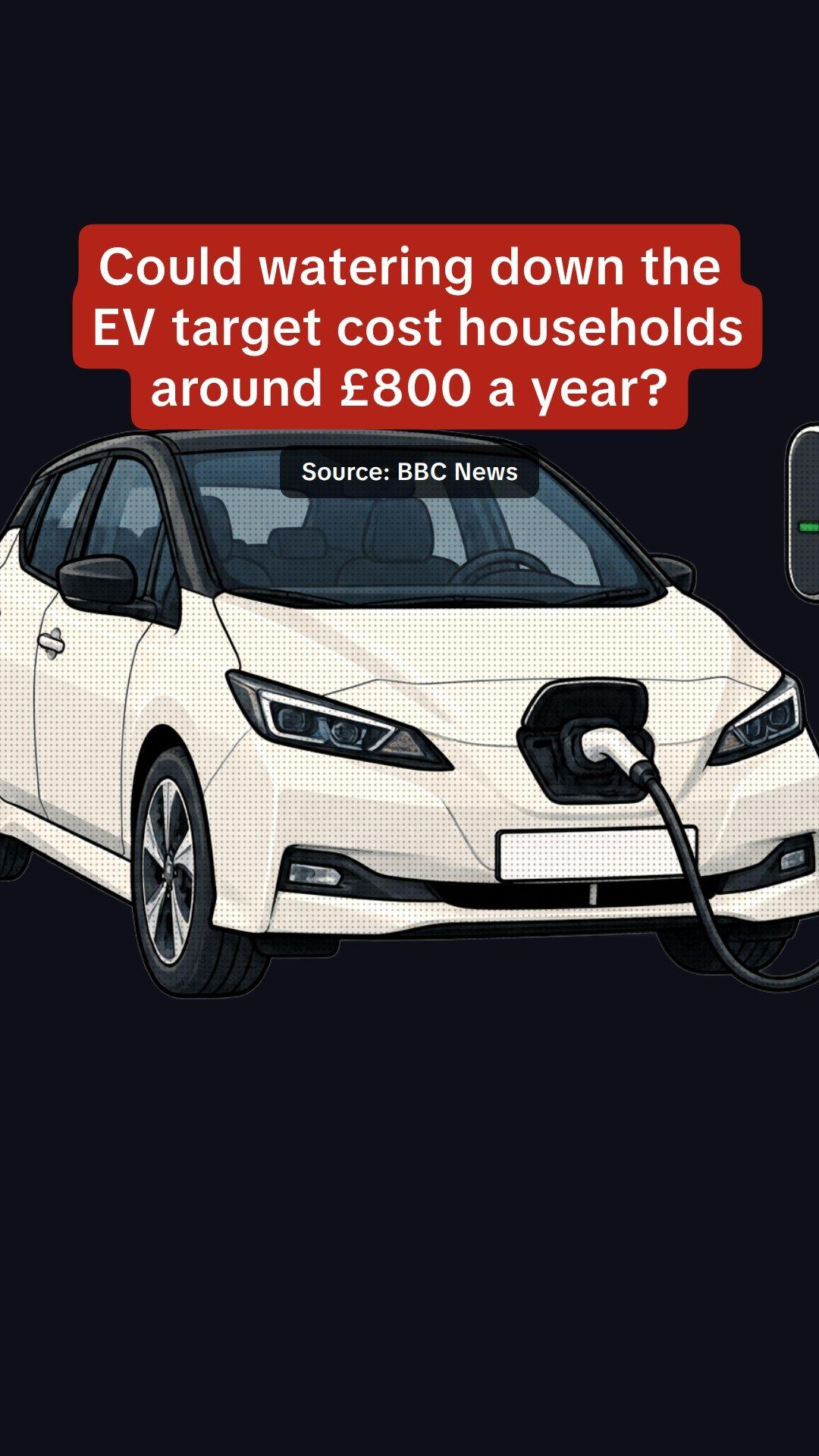
Every few months, the question of when Britain will stop selling new petrol and diesel cars resurfaces. The answer matters far beyond the showroom. It affects what you pay for a used car in 2032, how crowded your street's charging bays become, and whether the rules around parking and charging keep changing under your feet.
The latest intervention comes from the government's own climate watchdog. According to BBC News, the Climate Change Committee (CCC) has warned that reducing electric-vehicle targets could make it harder for the UK to meet its legally binding climate goals. Let's unpack what that means, why the legal language matters, and what drivers can sensibly do while the policy debate plays out.
What Happened
The CCC is the independent statutory body that advises ministers on climate policy. Its warning centres on the existing zero-emission vehicle (ZEV) mandate, which requires 80% of new cars sold to be zero-emission by 2030 and 100% by 2035.
The message, in essence: if ministers soften those targets, the UK may struggle to hit its legally binding climate commitments. Cars are central to that arithmetic because road transport is one of the biggest sources of UK greenhouse gas emissions, and new-car sales largely determine what is on the road a decade or more later.
The warning arrives amid reports that the government is considering easing the sales targets, and after carmakers have repeatedly argued that the pace of the mandate is hard to meet. We have covered that tension before, including in our look at what drivers need to know about possible EV target cuts. The CCC's intervention adds a legal and scientific counterweight to the commercial pressure.
How the Mandate Actually Works
It helps to understand what is being debated, because the "80% by 2030" headline hides some detail.
The ZEV mandate began in January 2024 and sets annual percentages of new cars that manufacturers must sell as zero-emission. The target steps up each year, starting at 22% in 2024 and rising to 80% by 2030. It applies to manufacturers, not to drivers. Nobody is banned from buying a petrol car, and nobody is forced to scrap one they already own.
Manufacturers who miss their yearly target can face financial penalties per vehicle, though the government has already introduced flexibilities. These include allowing some hybrids to continue to be sold until 2035, letting firms borrow against future years' targets, and reducing the per-car penalty. In other words, the mandate has already been softened once. The current debate is about whether to go further.
That is an important point of context. When people talk about a "ban", they are often describing a sales-share rule with several escape valves, not a blanket prohibition on petrol and diesel cars. Existing petrol and diesel cars stay legal to own, drive and sell second-hand.
Why It Matters: The Climate Arithmetic
The CCC's concern is partly about timing. A car sold today may stay on UK roads for well over a decade. If the share of electric cars sold in the late 2020s is lower than planned, then more petrol and diesel cars will still be driving in the 2030s and 2040s. That makes later emissions cuts harder, more expensive, or reliant on other sectors doing more of the heavy lifting.
There is also a credibility angle. Carmakers, charging companies and energy suppliers make multi-year investment decisions based on the policy path. If targets wobble, investment can too. Some industry voices have argued the opposite, that the mandate is too rigid and that demand is not keeping up. Both sides agree on one thing: uncertainty is costly.
The Legal Angle
This is where the story goes beyond a typical policy argument. The UK's climate targets are not just aspirations.
The Climate Change Act 2008 set a legal framework requiring the UK to cut emissions through a series of five-year carbon budgets. In 2019 the Act was amended to commit the UK to reaching net zero greenhouse gas emissions by 2050. The CCC advises on the level of each carbon budget and reports annually to Parliament on progress. The government must then respond publicly.
Why does that matter for the EV debate?
- Ministers have a statutory duty. The Act requires the government to ensure carbon budgets are met. It must also publish plans explaining how it will do so. If a policy such as an EV target is weakened, ministers need to show how the gap will be filled elsewhere.
- Policy choices can be challenged. There is precedent for legal challenges over whether climate delivery plans are adequate. In recent years, the High Court has examined the government's net zero strategy and required more detail on how targets would be met. That does not mean any particular EV decision would be struck down, but it shows climate plans are not beyond judicial scrutiny.
- The mandate sits in secondary legislation. The ZEV mandate operates under the Vehicle Emissions Trading Schemes Order 2023. Changing its percentages or penalties would require legislative amendment, which means a formal process rather than a press release.
None of this guarantees a particular outcome. It simply means that "cutting the target" is not a casual administrative tweak. It has statutory consequences, and the CCC is reminding ministers of that.
What Drivers Should Know
Policy arguments in Westminster can feel remote from your driveway. But several practical points follow for ordinary motorists.
1. Your current car is not affected
Whatever happens to the mandate, it governs what manufacturers sell, not what you can drive. Petrol and diesel cars remain legal, and the second-hand market for them is not being shut down. If your car is working well, there is no regulatory reason to rush a decision.
2. Do not buy or avoid an EV purely on a headline
Target changes can influence used values and the pace of new model launches, but nobody can reliably forecast the effect. A more sensible approach is to look at your own driving pattern: annual mileage, whether you can charge at home, and total running costs. If you are weighing up the purchase, our guide to the Electric Car Grant and which EVs qualify explains the current support available.
3. Watch the tax picture, not just the sales target
Government policy on EVs is not just about sales quotas. Vehicle tax rules for electric cars have changed, and a pay-per-mile charge has been floated as fuel duty income declines. Our explainer on EV tax changes, VED and pay-per-mile covers the detail. If targets are eased, the shape of future taxation could shift too, so build some flexibility into your budget.
4. Charging and parking rules are tightening regardless
Whatever the national target, councils and private operators are already enforcing rules around charging bays. Drivers can be caught out in ways that have nothing to do with climate policy:
- Parking in an EV bay without charging, or staying after charging finishes, can lead to a penalty.
- Some private sites attach conditions to charging bays, such as time limits or payment through an app.
- Cables across pavements and on-street charging solutions are an evolving area of council policy. See our piece on council plans for on-street charging.
If you do drive an EV, read the signs carefully each time. Our guides on EV charging bay fines and one driver's £270 charging bill show how a simple misunderstanding can become an expensive one. Take photographs of signage, your charging session and any error messages. That evidence is valuable if you later need to challenge a charge.
5. Keep an eye on official sources
If you want the primary information, the CCC publishes its progress reports on its own website, and GOV.UK carries the formal consultation and legislation details on the ZEV mandate. For anything affecting your own finances or a specific dispute, official guidance or professional advice is a better guide than a news summary.
The Wider Tension: Affordability Versus Ambition
It is worth being fair to both sides of this debate. The case for easing the targets rests on affordability and consumer demand: not every household can yet buy a new EV, and manufacturers say they cannot sell cars that buyers do not want at current prices. The case for holding firm rests on the legal obligation, the long life of vehicles, and the investment certainty that clear rules provide.
For drivers, the real-world friction points tend to be practical. They include the cost of public charging, access to home charging for people without driveways, and uncertainty about future taxes. Those issues will matter regardless of where the target ends up.
Looking Ahead
Several things are worth watching over the coming months.
The government's formal response. If ministers do propose changing the mandate, expect the CCC's concerns to feature in the debate. Watch whether any softening is paired with a plan to make up the emissions elsewhere, because the Climate Change Act expects a credible route to the carbon budgets.
Industry reaction. Carmakers, charging firms and energy companies will be reading the signals closely. Clear, stable rules tend to support investment, while repeated changes can slow it.
Consumer support measures. Grants, tax treatment and charging costs may do more to influence what you actually buy than the headline target. Policy tools that reduce the upfront cost or running cost of EVs have a more direct effect on buying decisions than a manufacturer quota.
Possible legal challenge. Given the statutory duties involved, a significant weakening of climate policy could draw scrutiny from campaigners or the courts. It is too early to predict, but not unthinkable.
The Bottom Line
The CCC's warning is a reminder that the EV mandate is not just a motoring policy. It is one of the main tools for delivering legally binding climate commitments, and weakening it creates a gap that someone, somewhere, has to fill.
For drivers, the practical message is calm and pragmatic. Your existing car is safe to keep driving. If you are considering an EV, base the decision on your own usage and costs rather than the political weather. And if you do own one, learn the parking and charging rules, because that is where many drivers currently run into expensive trouble.
This article is general information about UK motoring and climate policy, not legal or financial advice. For decisions affecting your own circumstances, check official guidance on GOV.UK or speak to a qualified professional.
Written by
The Parking Ticket Pal Editorial Team
Source-checked parking guidance