
Electric Vehicle Tax Changes: VED and Pay-Per-Mile Guide
Understand UK electric vehicle tax changes, from new VED rates to the proposed pay-per-mile scheme for EVs and hybrids, including likely start dates and costs.

The Parking Ticket Pal Editorial Team
20 September 2026
What Taxes Apply to Electric Vehicles and When Will New Charges Start?
The free ride is coming to an end
For years, driving electric came with a quiet perk beyond the smug glow of a silent engine: you barely paid a penny in motoring tax. No fuel duty, no Vehicle Excise Duty, and in London you could glide through the congestion charge zone without a second thought. That era is closing fast. The Treasury has spent the past couple of years steadily dismantling the tax breaks that helped kick-start EV adoption, and the next big change, a pay-per-mile charge for electric and hybrid vehicles, is now firmly on the horizon.
The BBC's explainer lays out the mechanics of what's coming, but the real story here is bigger than one new charge. It's about how the government intends to plug a growing hole in its motoring tax revenue as fewer drivers pay fuel duty, and what that means for anyone who has already bought, or is thinking about buying, an electric or hybrid car.
What's actually happening
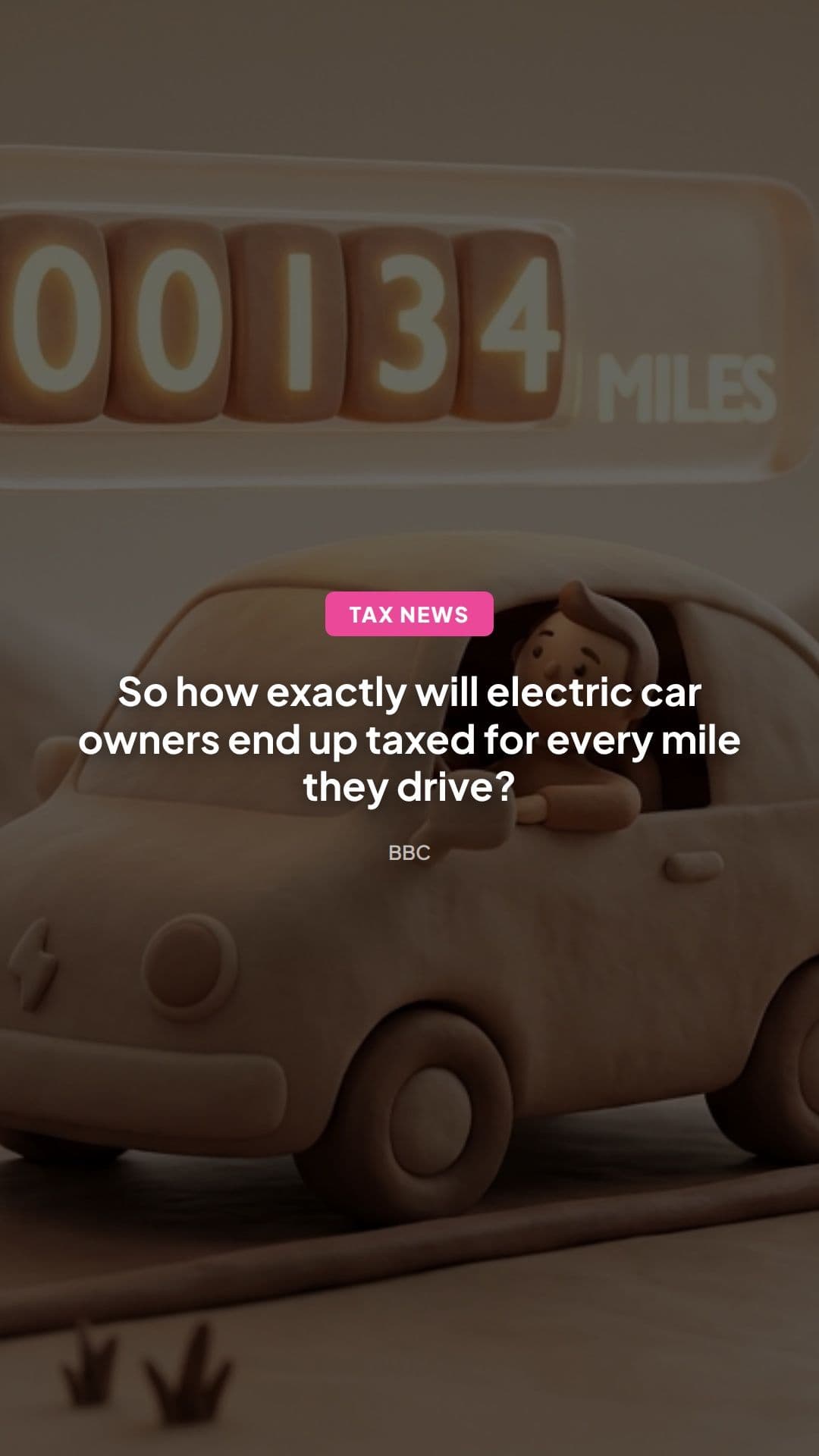
The core announcement is a new pay-per-mile charge, sometimes referred to as eVED, which will apply to electric vehicles and some plug-in hybrids. Rather than being tracked in real time through a black box or satellite system, the charge is expected to be calculated using odometer readings, most likely captured at the MOT test or when a vehicle is taxed, so drivers will be billed retrospectively based on distance travelled rather than monitored continuously as they drive.
This sits alongside a series of Vehicle Excise Duty (VED) reforms that have already begun to bite. Since April 2025, electric vehicles have lost their long-standing VED exemption. New EVs registered from that date now pay a low first-year rate, before moving onto the standard rate in year two, just like petrol and diesel cars. Crucially, EVs are no longer shielded from the "expensive car supplement", an additional charge that applies to vehicles with a list price above £40,000 for five years from the second time the vehicle is taxed. Given how many electric cars, particularly larger family SUVs, sit above that threshold, this alone represents a meaningful new cost for a lot of EV owners who assumed they were exempt for good.
Hybrids haven't escaped scrutiny either. The pay-per-mile proposal is expected to apply to plug-in hybrids at a lower rate than fully electric cars, reflecting the fact they still pay some fuel duty at the pump when running on petrol or diesel.
Why this matters: the fuel duty problem
To understand why any of this is happening, you have to look at the numbers the Treasury is staring down. Fuel duty has traditionally been one of the government's largest and most reliable sources of motoring revenue, worth tens of billions of pounds a year. But every electric car on the road is a car that pays no fuel duty at all, and every year that passes without EV drivers contributing something in its place widens the gap between how much money the roads cost to maintain and how much the government collects from those who use them.
This isn't a hidden agenda. It's been flagged repeatedly by independent bodies studying the public finances, and it's precisely why successive governments have talked about road pricing or per-mile charging as the "fair" long-term replacement for fuel duty. Petrol and diesel drivers have paid per mile in a roundabout way for decades, through duty on every litre they burn. As the vehicle fleet electrifies, ministers argue it's only reasonable that electric drivers eventually contribute on a similar basis, rather than getting a free pass simply because their tax is collected differently.
Whether you think that's fair probably depends on how recently you bought your EV, and how much you were banking on years of low running costs to offset the higher purchase price. Many early adopters bought partly on the promise of low ongoing taxation. Retrofitting a mileage charge onto vehicles already on the road changes that calculation retroactively, which is a big part of why the plan has proven controversial.
The legal and regulatory angle
There's no existing statute specifically governing a pay-per-mile EV charge yet, because the mechanism hasn't been legislated for in detail. What we do know is that VED itself is governed by the Vehicle Excise and Registration Act 1994, and any changes to rates or exemptions are typically introduced through the annual Finance Act following a Budget announcement, then implemented by the DVLA. The removal of the EV VED exemption from April 2025 followed exactly this route.
A mileage-based charge collected via odometer readings at MOT time would likely require its own legislative framework, plus practical questions to resolve: how readings are verified, what happens if a car fails to have an MOT on time, how the charge is invoiced and collected, and what enforcement looks like for someone who under-reports their mileage or delays their test. None of this has been finalised in detail, and until secondary legislation and DVLA guidance are published, drivers are working from a policy outline rather than a settled legal framework.
This matters practically. If you're budgeting for a new EV purchase now, treat any pay-per-mile figures you see quoted as indicative rather than fixed. The rate, start date and exact collection method can all shift between a Budget announcement and the legislation that eventually implements it.
What drivers should know right now
A few practical points worth bearing in mind while this settles:
- Check your VED liability today, not just in future. If you own or are buying an EV registered after April 2025, don't assume you're tax-exempt. Use the DVLA's official vehicle tax checker to confirm what you actually owe, particularly if your car's list price when new was above £40,000, as the expensive car supplement may apply even if the car is now worth much less second-hand.
- Keep your MOT and mileage records tidy. If a future charge is based on odometer readings taken at MOT time, having accurate, verifiable mileage history will matter more than it used to. This is also good practice generally, since mileage discrepancies can cause headaches when selling a car or dealing with insurance.
- Don't let tax changes catch you out on renewal. VED reminders come by post or via the DVLA's online service, but it's worth setting your own calendar reminder too. Falling behind on vehicle tax can lead to enforcement action, including clamping in serious cases, so staying on top of renewal dates is essential regardless of what fuel type you drive.
- Factor future charges into your running cost calculations. If you're weighing up an EV against a petrol or hybrid car, it's sensible to model in a modest per-mile charge from the point it's expected to start, rather than assuming today's low running costs will last the life of the car.
- Watch official channels for confirmed dates and rates. Given how much these figures have moved during consultation, treat any specific pence-per-mile number reported in the press as subject to change until it's confirmed in a Budget or Finance Bill.
Looking ahead
The direction of travel is clear even if the exact figures aren't yet locked in. The government is moving away from a tax system built around fuel consumption and towards one built around distance travelled, and electric vehicles are the testing ground for that shift simply because they're the vehicles fuel duty can no longer touch.
For drivers, the practical upshot is that the total cost of owning an EV is quietly becoming less exceptional compared with petrol and diesel, at least on the tax side. The running cost advantages that made electric motoring attractive haven't disappeared, home charging in particular remains far cheaper than filling up at the pump, but the gap is narrowing as VED, the expensive car supplement and an eventual mileage charge all stack up.
None of this is a reason to panic or to delay a sensible vehicle purchase based on your genuine needs. But it is a good reason to look past the headline "EVs pay no tax" assumption that shaped the last decade of adverts and dealership pitches, and to budget for the fact that electric motoring, like everything else in UK motoring, is heading towards a tax bill of its own. Anyone with real money riding on the detail, a fleet decision, a leasing contract, or a significant used EV purchase, should keep an eye on official government and DVLA guidance rather than relying on early reporting, since the fine print here is still very much being written.
Written by
The Parking Ticket Pal Editorial Team
Source-checked parking guidance
Ready to Challenge Your Ticket?
Let our AI analyse your PCN and generate a professional appeal letter in minutes.
Start Free Appeal