
Liverpool Parking Charges Rise Again: What Drivers Pay
Liverpool city-centre parking charges have risen again in 2026. See the new on-street tariffs, the council’s defence and what it means for drivers today.

The Parking Ticket Pal Editorial Team
21 November 202610 min read
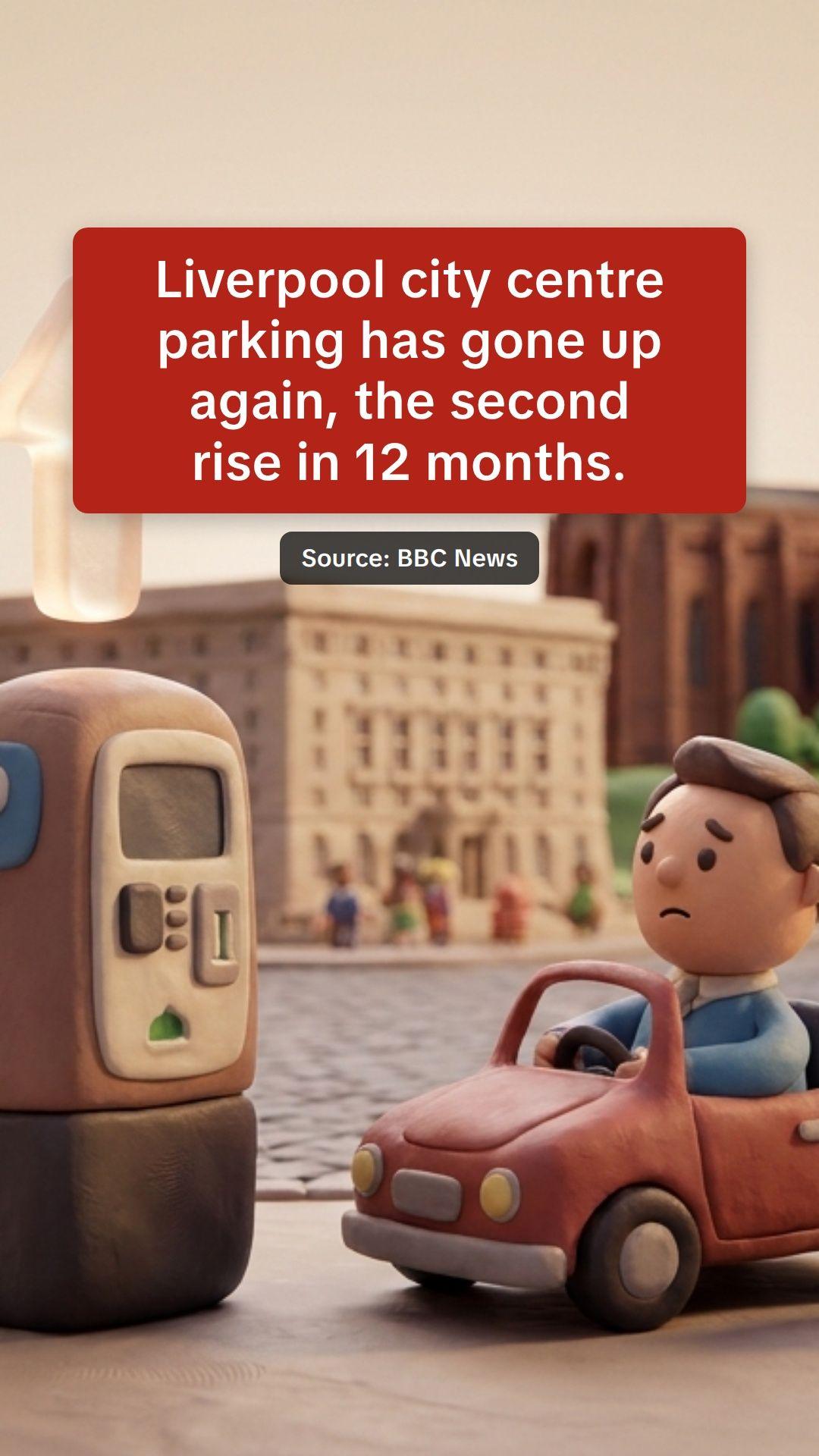
Liverpool's parking prices have risen twice in 2026. Is the city centre a "cash cow"?
Nobody likes seeing the price of a parking space creep up. Seeing it happen twice in the same year is enough to make anyone wonder where the money is going.
That is the backdrop to a row in Liverpool. According to BBC News, on-street parking prices in the city centre have risen for a second time in 2026, and the council leader has rejected the suggestion that the charges are a "cash cow". The accusation is one councils across the UK hear again and again. It is worth looking at what the law says about parking income, how tariffs get changed, and what drivers can do about it.
What happened in Liverpool
The BBC report covers the new city-centre on-street tariffs and the council leader's response to criticism of them. For the exact charges, check the BBC article and Liverpool City Council's own notices rather than relying on social media screenshots, because tariffs can differ by zone, time of day and length of stay.
The key points are these:
- It is a second rise in the same calendar year. The frequency of the changes is a big part of the anger.
- The charges apply to on-street bays in the city centre. These are council-controlled spaces, not private car parks, so a different legal framework applies.
- The council leader has pushed back on the "cash cow" label. That phrase suggests parking is being used mainly to raise general revenue rather than to manage traffic.
We covered the earlier proposals in our look at Liverpool's planned parking rises. This post concentrates on the wider question the second increase raises.
Why this argument keeps coming up
Parking charges sit at an awkward intersection. Councils say they are a tool for managing congestion, keeping kerbside space turning over and encouraging people towards buses, trains and cycling. Drivers, and often local traders, say they look suspiciously like a way to plug budget holes.
Both things can be true at once. Council finances have been under severe strain for years, and parking is one of the few income streams a council controls directly. At the same time, a well-run on-street tariff does serve a purpose. If space is too cheap, people park all day and nobody else can use it. If it is too expensive, shops lose footfall and bays sit empty.
Where your sympathies lie often depends on whether you think the price is set to manage demand or to hit a financial target. That is exactly why the "cash cow" phrase is so loaded.
The city centre trade-off
Liverpool's centre competes with out-of-town retail parks and shopping centres that offer plentiful, often free, parking. Retailers and hospitality businesses tend to worry that each rise nudges shoppers elsewhere. Councils counter that city-centre space is limited and that public transport links exist. Neither argument is easily proved from the pavement, which is why the debate rarely ends.
The legal angle: what councils can and cannot do
Drivers often assume that councils can charge whatever they like. In practice there are legal guardrails, although they are fairly broad.
Parking charges are set through traffic orders
On-street parking places and their charges are normally created through a Traffic Regulation Order under the Road Traffic Regulation Act 1984. Changing a tariff generally means following the statutory process for traffic orders, which includes publishing notice and allowing objections. If a council has not followed the correct procedure, that can matter legally, although it is a technical area where the stakes are high. The Act's procedures for challenging an order in the High Court have strict time limits, so anyone considering it should seek professional advice quickly.
Traffic management duties
Section 122 of the 1984 Act requires councils to exercise their traffic functions so as to secure the expeditious, convenient and safe movement of traffic, including pedestrians, and the provision of suitable parking, so far as is practicable. Councils point to this when they argue that charges are about managing the network. Critics argue that a pricing decision driven mainly by revenue sits uneasily with it. Where a particular decision falls is a matter for the courts, and it depends on the facts.
What happens to the surplus
This is the heart of the "cash cow" debate. Under section 55 of the 1984 Act, councils must keep an account of income and spending on on-street parking. Any surplus cannot simply be spent on anything. It is meant to go towards specified purposes, such as providing and maintaining parking, public transport services, or highway and environmental improvements, subject to the detailed rules.
In practice that allows wide latitude. Money can be used on transport-related purposes, which can include maintaining roads and supporting bus services. That means a council can be entirely within the law while still being accused, fairly or not, of using parking as a revenue engine. For the wider picture on how much councils make, see our breakdown of English councils' parking surpluses and the specific case of Manchester's parking surplus.
Enforcement of the charges
Once a tariff is in force, enforcement of on-street rules by councils in England outside London falls under the Traffic Management Act 2004 and its civil enforcement regime. If you get a Penalty Charge Notice, you follow a defined process: informal challenge, formal representations to the council, and, if rejected, an appeal to an independent adjudicator. Outside London that is the Traffic Penalty Tribunal. The grounds for challenge are limited, and "the price rose too steeply" is not one of them. A tariff increase is a policy matter, whereas a PCN challenge turns on whether the contravention occurred, whether signs and markings were adequate, and whether the council followed procedure.
That distinction is important. If you want to complain about the level of charges, your route is the political one: councillors, consultations and, ultimately, elections. If you want to challenge a ticket, your route is the legal appeals process.
What drivers should know
Higher tariffs create a particular risk beyond the cost itself. When prices change, habits and muscle memory get out of date.
1. Check the tariff every time
If you have parked in the same bay for years, do not assume it costs what it used to. Read the signage and the pay machine or app screen. Tariffs often differ by zone, and the maximum stay may have changed too. A rise that has happened twice in a year makes it far more likely that the number you remember is wrong.
2. Beware underpayment
Paying the old rate can lead to a PCN for paying less than required. Our explainer on PCN code 07 covers how that works. If you park for a short time and pay only the minimum, make sure that minimum has not changed.
3. Watch the app fees
Cashless payment is common in city centres, and apps often add a transaction fee on top of the tariff. Those extras can make a modest rise feel much steeper. See our piece on how parking app fees add up. Check the total before you confirm payment, and keep the confirmation.
4. Keep proof of payment
If an app error or a mistyped registration leads to a PCN, your evidence is what matters. Screenshot confirmations, receipts and photographs of the signs and the bay. Our guide on proving payment when parking apps go wrong explains what to gather.
5. Do not ignore a ticket because you are annoyed about prices
Frustration with charges is understandable, but a PCN is a separate legal matter. If you get one, note the deadlines on the notice, including any discount period for early payment. If you believe it was issued wrongly, see our guide to formal representations. Missing the stages can cost you the chance to challenge it.
6. Think about alternatives
Park-and-ride, off-street car parks, and public transport can all cost less than city-centre on-street bays, depending on how long you stay. That is not advice for any individual journey, just a reminder that the cheapest option varies with the length of your visit. Compare before you set off.
7. Have your say
Traffic orders involve public notices and a chance to object. If you feel strongly, responding to consultations or contacting your councillors is a legitimate route. Councils must consider objections to traffic orders in the statutory process, though they are not obliged to agree with them. If you think a process was flawed, take professional advice quickly, because legal challenge deadlines are short.
What it means going forward
Two rises in a single year suggest that Liverpool, like many councils, is treating parking pricing as something to adjust regularly rather than a once-a-year decision. That is likely to continue. Rising costs, pressure on budgets and transport policy all push in the same direction, and we have seen similar moves elsewhere, from Bournemouth to council tariffs rising across several regions.
Expect the "cash cow" argument to stay loud. Several things will determine whether it fades or grows:
- Transparency of the accounts. Councils report on parking income and spending, and scrutiny of those figures is where the argument is genuinely settled. If the surplus visibly funds bus services, road maintenance or similar, criticism tends to soften. If it looks opaque, it tends to harden.
- Evidence on footfall. If city-centre traders report a drop in customers, pressure on the council will increase. If footfall holds up, the council has a stronger case.
- National policy. Government attention to parking, including the way councils use enforcement and charging powers, could change the context, so keep an eye on developments.
- Local politics. Because charges are set by elected councillors, the ballot box is the ultimate check.
For drivers, the practical lesson is simple. Whatever you think of the policy, the rules on the street are the rules on the day. Prices change, apps add fees, and signs are the legal source of truth. Read them, pay the right amount, and keep your evidence.
This article is general information about UK parking and motoring rules and is not legal advice. If you have received a PCN or are considering a legal challenge to a traffic order, check official guidance, such as that from the Traffic Penalty Tribunal and the council concerned, or seek professional advice.
Written by
The Parking Ticket Pal Editorial Team
Source-checked parking guidance