English Councils Make £1.1bn Parking Surplus: What It Means
English councils generated nearly £1.1bn in parking surplus in 2024-25. Explore what the figures reveal about local authority parking charges and policy.

The Parking Ticket Pal Editorial Team
16 August 2026
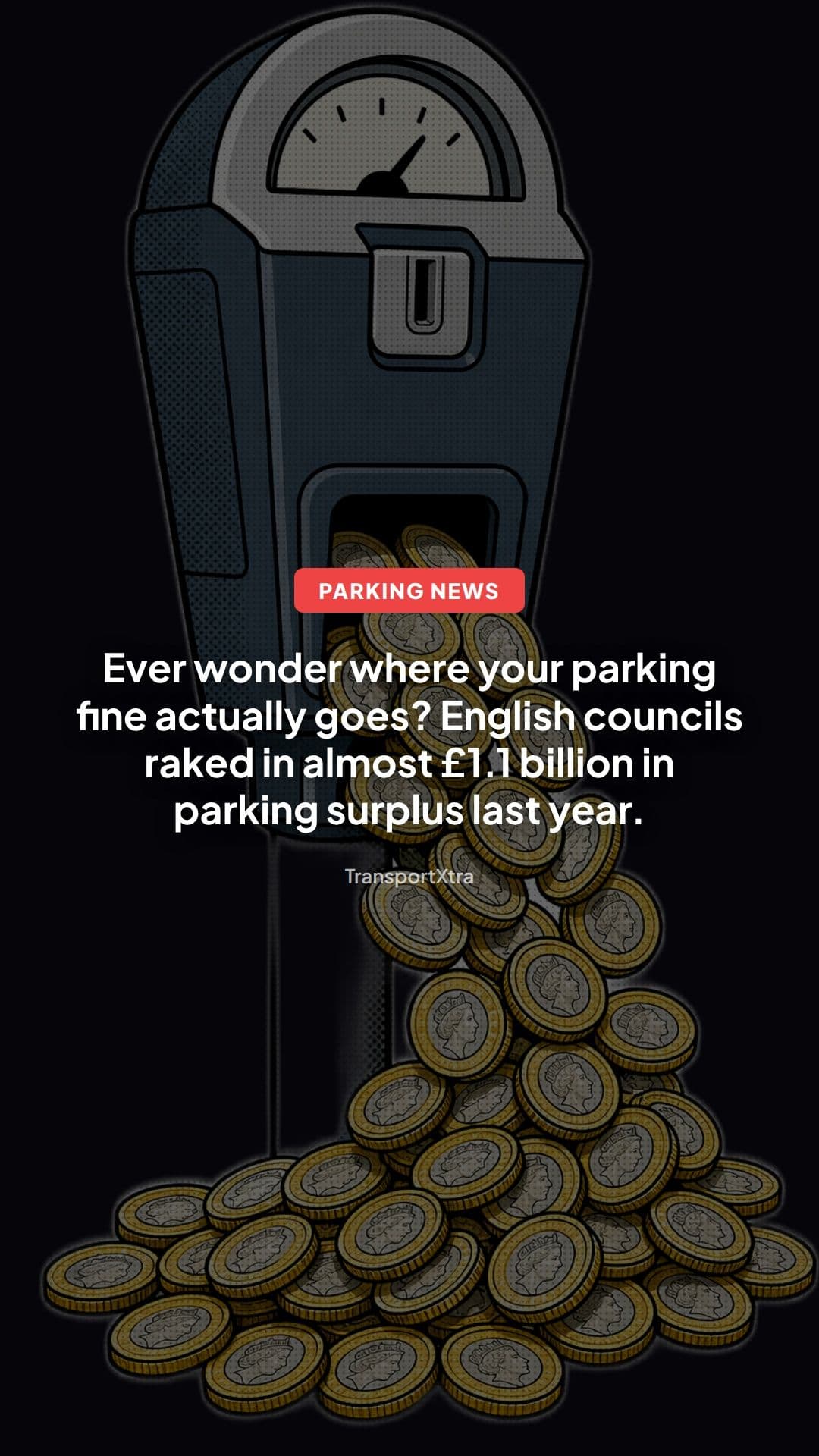
English Councils Rake In £1.1 Billion From Parking: What's Really Going On?
If you've ever grumbled about a parking machine that only takes contactless, or wondered why your local high street suddenly sprouted new double yellow lines, here's a number that might make you grumble a little louder. English councils generated almost £1.1 billion in combined parking surplus during 2024-25. That's not total income from parking charges and fines, that's the profit left over after running costs are deducted.
It's a staggering figure, and one that raises an obvious question: where is all this money actually going, and what does it mean for the millions of drivers who fund it every time they feed a meter or get caught out by a Penalty Charge Notice?
What Happened
According to figures reported by TransportXtra, local authorities across England collectively banked close to £1.1bn in parking surplus for the 2024-25 financial year. This isn't pocket change generated by a handful of big cities. It reflects a nationwide pattern, spanning everything from on-street pay and display bays and residents' parking zones to off-street car parks and enforcement of parking restrictions through PCNs.
The scale of the surplus underlines just how central parking income has become to local authority finances. Councils up and down the country have faced years of squeezed budgets, rising social care costs, and reduced central government grants. Parking has increasingly become one of the few reliable revenue streams a council can control directly, through pricing, permit fees and enforcement.
This isn't a one-off blip either. Parking surplus figures have been trending upwards for years, and the latest total simply confirms that trajectory. What's changed is the sheer visibility of the number: £1 billion is the kind of headline figure that cuts through, and it's already prompting fresh scrutiny of how councils set charges and where the money ends up.
Why It Matters
There's a legal framework that's supposed to stop councils treating parking as a cash cow, and it's worth understanding because it shapes how this money can legally be spent.
Under the Road Traffic Act 1991 (and subsequent legislation including the Traffic Management Act 2004), local authorities in England are required to ring-fence parking surpluses. In simple terms, councils cannot use profits from on-street parking and PCN enforcement to plug general budget gaps or fund unrelated services like bin collections or libraries. Surplus income must be reinvested in transport-related projects: road maintenance, public transport subsidies, concessionary travel schemes, and environmental improvements connected to transport.
That's the theory. In practice, campaigners and motoring organisations have long argued that the definition of "transport-related" spending is broad enough that councils have considerable latitude, and that the ring-fencing rules don't do much to reassure drivers who feel they're being squeezed simply because they own a car.
The £1.1bn figure matters because it puts fresh pressure on that debate. When parking surplus reaches this scale, questions naturally follow about transparency: are councils publishing clear breakdowns of how the money is spent, as they're required to under statutory guidance? Are charges being set with genuine traffic management aims in mind, such as easing congestion or protecting residents' parking, or are they being nudged upwards primarily to protect council income?
It's also a reminder that parking charges aren't static. Many councils have already increased tariffs and PCN charges in the past couple of years, citing everything from inflation to reduced footfall on high streets. A number that big will inevitably be used as ammunition by both sides: campaigners pushing for lower charges and fairer enforcement, and councils defending parking income as essential to keeping local services running.
The Legal Angle
For drivers, the legal position on parking charges and PCNs hasn't changed as a result of this story, but it's a good moment to recap the framework that governs it.
On-street parking enforcement in most of England is carried out under civil, rather than criminal, law. This is decriminalised parking enforcement, and it means that a PCN is not a criminal conviction. It's a civil debt, and councils must follow strict procedural rules when issuing and pursuing them, including proper signage, correctly worded notices, and adherence to statutory timescales.
If you're issued with a PCN, you generally have the right to make informal representations first, followed by formal representations if that's rejected, and ultimately an independent appeal to the Traffic Penalty Tribunal (or London Tribunals if you're in the capital) if the council still won't budge. This independent tribunal stage matters enormously, because it means the final decision doesn't rest solely with the body that issued the fine and stands to profit from it.
Council powers to set parking charges themselves come from the Road Traffic Regulation Act 1984, alongside more recent traffic management legislation. Charges must be publicised properly, and Traffic Regulation Orders (TROs), the legal instruments that create restrictions like resident bays or yellow lines, must be correctly made and signed. Get any of that wrong, and a PCN can potentially be successfully challenged on procedural grounds, regardless of whether you were technically parked incorrectly.
This is worth remembering given how much scrutiny is likely to follow a headline figure like £1.1bn. Expect renewed calls for councils to be more transparent about how surplus is calculated and spent, and possibly renewed pressure from central government or the Department for Transport for tighter reporting requirements.
What Drivers Should Know
None of this means drivers are powerless, but it does mean it pays to be switched on. A few practical points worth keeping in mind:
Check the signage and restrictions before you park. Given how much income now flows from enforcement, councils have every incentive to enforce restrictions rigorously. Faded, missing, or confusingly worded signs remain one of the most common grounds for a successful challenge, so always take a photo of the relevant signage and lines if you're unsure.
Don't assume a PCN is automatically valid. Councils make mistakes, whether that's misreading a registration plate, misapplying a Traffic Regulation Order, or issuing a notice outside the correct legal timeframe. If you believe a PCN is wrong, you're entitled to challenge it. A clear, well-evidenced informal appeal is often the quickest route to getting a fine cancelled, and it costs nothing to try.
Know the appeals ladder. If an informal challenge fails, you can submit formal representations, and if that's rejected too, you have the right to an independent appeal. This process exists precisely because parking enforcement generates significant income for councils, and an independent check is built into the system for good reason.
Keep an eye on local charge changes. With parking income under this much of a spotlight, expect more councils to review tariffs, permit costs and enforcement zones in the months ahead. Checking your local authority's published parking policy, rather than relying on assumptions from previous years, is a sensible habit.
Understand what PCN codes actually mean. Every PCN carries a specific contravention code, and understanding exactly what you're being accused of is the first step in working out whether it's fair. Guides that break down these codes can help you decide whether a challenge is worth pursuing.
Looking Ahead
A £1.1bn surplus is the kind of figure that tends to generate momentum, and it's likely to fuel several ongoing conversations in UK parking policy. Expect continued pressure from motoring groups for greater transparency over how councils calculate and spend parking surplus, and possibly renewed political interest in tightening the rules around ring-fencing.
It also sits against a backdrop of wider reform in the parking sector. Private parking companies have faced growing scrutiny and regulatory change in recent years, and it wouldn't be surprising to see similar questions asked of council-run schemes, particularly around fairness, proportionality of charges, and how easy it genuinely is for drivers to challenge a PCN they believe is wrong.
For now, the practical reality for drivers hasn't shifted. Parking remains one of the most common ways ordinary motorists fall foul of local authority rules, often through simple misunderstandings rather than deliberate rule-breaking. Understanding your rights, from how councils are supposed to spend the money they raise, to the appeals process available if you're wrongly ticketed, remains the best protection against becoming part of next year's billion-pound total.
Written by
The Parking Ticket Pal Editorial Team
Source-checked parking guidance
Ready to Challenge Your Ticket?
Let our AI analyse your PCN and generate a professional appeal letter in minutes.
Start Free Appeal