
Parking App Fees Add Up to 40% to Council Parking Costs
Mandatory parking app service fees are pushing council parking costs up by 40% in parts of England. We examine charges, councils and motorists’ options.

The Parking Ticket Pal Editorial Team
13 October 2026
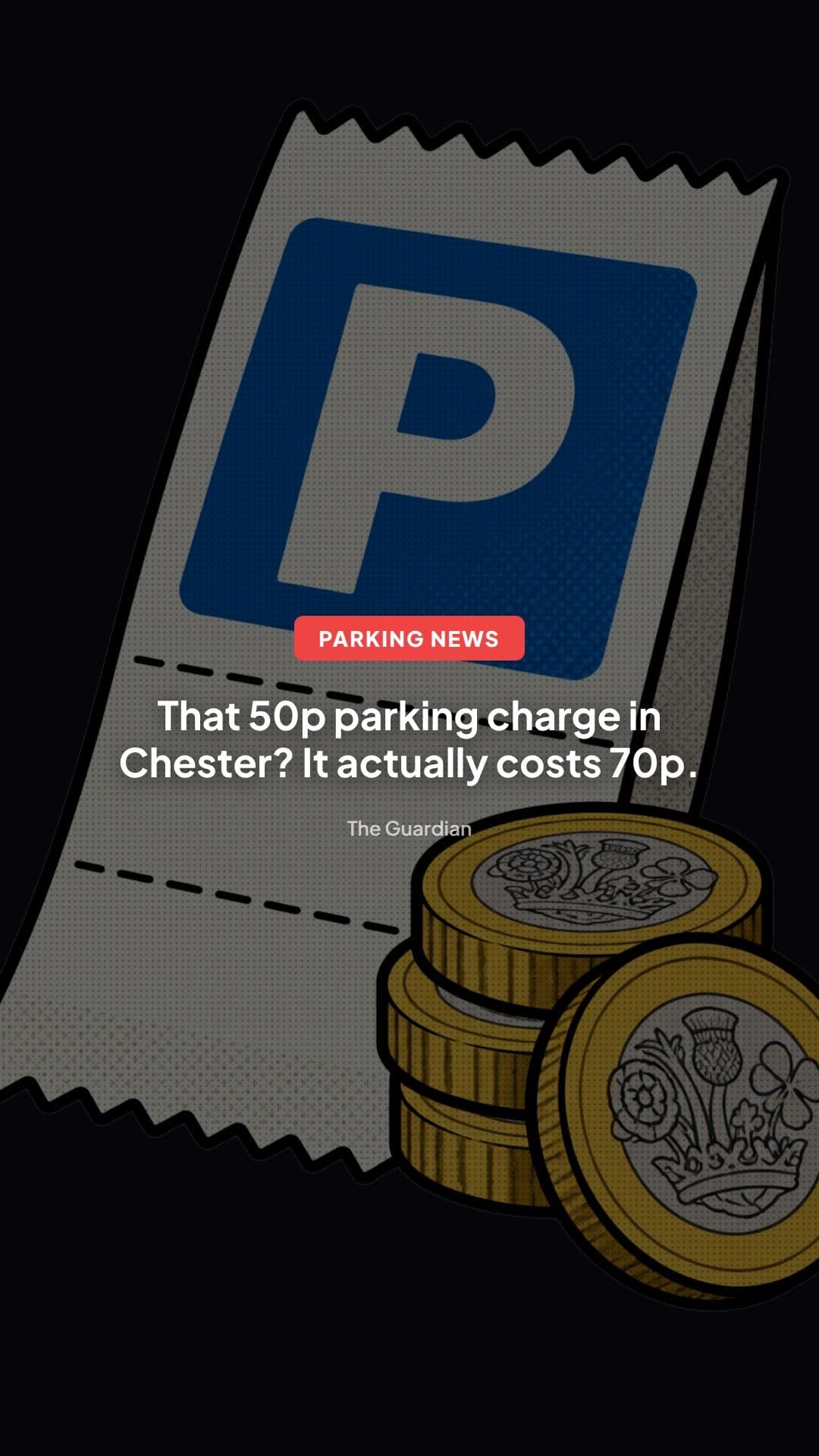
Parking apps in England are adding up to 40% to your bill: here's what's going on
You pull into a council car park, see a tariff of £2 for two hours, and open the app to pay. Then comes the sting. A "service fee", "convenience charge" or "transaction fee" appears at the last step, and your £2 stay costs noticeably more. You haven't been fined and you haven't overstayed. You've simply paid to pay.
That is the experience behind a Guardian report, relayed by outlets including ua.news, which found that mandatory service fees charged by parking apps can make municipal parking in England up to 40% more expensive than the advertised base tariff. The report cites examples across several councils. Here is what that means, why it happens, and what drivers can do about it.
What the report found
The central finding is simple. When a council directs drivers to pay through a third-party app, the fee the app charges can be added on top of the published tariff, and in some cases it is mandatory. The Guardian's reporting says this can push the real cost of parking up to 40% above the advertised price.
The percentage is worth dwelling on. Many app fees are fixed per transaction rather than proportional to the parking cost. That means the shorter and cheaper your stay, the bigger the fee looks as a share of the total. As a purely illustrative example, a flat 40p fee on a £1 stay is a 40% uplift, while the same fee on a £10 stay is 4%. The 40% figure is therefore best read as the upper end of the range, most likely to bite on short, low-cost stops.
Nothing here suggests the council tariff itself has changed. The signs on the street or in the car park may still show the headline price accurately. The extra charge simply arrives later, in the payment journey, which is where the trouble starts.
Why this matters more than a few pence
The shift to cashless
Over the past decade, many councils have removed or reduced pay-and-display machines. Machines are costly to maintain, vulnerable to vandalism and need cash collection. Apps shift much of that cost and risk to a private operator. For councils under budget pressure, that is attractive, and the operator's fee is often how the arrangement is funded.
The consequence is that drivers who once paid a clean tariff in coins can now find the app is the only practical option, and the fee comes with it. If the fee is unavoidable, it is effectively part of the price, even if it is not shown on the sign.
The "drip pricing" problem
Consumer regulators have long criticised drip pricing, where a low headline price is advertised and extra charges appear only as you approach payment. By then you have already parked, often with children in the back seat, a meeting to get to, or rain coming down. You are hardly in a position to shop around.
That is the heart of the complaint. The issue is not that apps cost money to run. It is that the true price is not visible when you make the decision to park.
Who gets hit hardest
- Frequent short-stay users, such as people popping to a pharmacy, collecting a child or making quick deliveries, pay the fee repeatedly.
- Drivers without smartphones, data or a payment card linked to an app, including some older people, can find themselves excluded or pushed to alternatives.
- Visitors to an area have to download, register and enter card details for a single stop, which also raises the risk of mistakes and scams. Our post on the parking app QR code scam explains why caution matters here.
This also sits within a wider context. Councils across England already raise significant sums from parking, as we covered in English councils make £1.1bn parking surplus. Fees layered on top of tariffs add to the sense that parking is becoming a stealth tax in places.
The legal angle
This is general information rather than legal advice, and the position will vary by council, by app and by how the fee is presented.
How council parking charges are set
On-street and off-street council parking is governed by traffic orders made under legislation such as the Road Traffic Regulation Act 1984. These set out the hours, restrictions and charges. Penalty Charge Notices for contraventions in civil enforcement areas are issued under the Traffic Management Act 2004. The tariff is typically what the order says, which makes the status of an additional app fee an interesting question. Is it part of the council's charge, or a separate contractual fee between you and the app provider? The answer can affect how it should be displayed and how you can challenge it.
Consumer law
Several consumer protection rules are potentially relevant:
- The Consumer Contracts Regulations 2013 include rules on additional payments. Traders must obtain your express consent to extra charges, and cannot rely on pre-ticked boxes or default options. They also restrict surcharges for payment methods to the trader's actual cost.
- The Digital Markets, Competition and Consumers Act 2024 strengthened the rules on misleading pricing, including drip pricing, and gave the Competition and Markets Authority (CMA) the power to fine businesses directly for breaches. The rules on unavoidable fees being included in the headline price are a key part of that regime.
Whether and how these apply to a particular council-app arrangement is not something a general article can settle. Public bodies, outsourced operators and the way a fee is described can all affect the analysis. It does show, though, that mandatory fees disclosed late in the process are exactly what current consumer policy is aimed at. For context on how seriously the CMA treats parking-related practices, see our coverage of CMA fines on Euro Car Parks.
What the fee is not
An app fee is not a Penalty Charge Notice, and not paying it is not a parking contravention in itself. But if you cannot complete payment because you refuse the fee, and then park anyway, you may well receive a PCN for parking without payment. Refusing in principle is therefore a risky tactic at the roadside. Complaint and challenge routes are better pursued afterwards, through the council, rather than by gambling with a PCN.
What drivers should know
Before you park
- Look for alternatives. Some car parks still have a machine, a text payment option or a pay-on-exit arrangement. Signage should say what is accepted.
- Check the total before you confirm. Most apps show a final amount before the pay button. If the fee is not clear, screenshot the screen.
- Compare apps. Where a council supports more than one provider, fees can differ. Where only one is available, you have no choice, which is part of the complaint.
- Consider longer stays carefully. If the fee is per transaction, paying once for the full time you need is usually cheaper than topping up repeatedly. Check the app's terms, and be careful not to overpay for time you will not use.
Keep evidence
If anything goes wrong, proof is everything. Keep receipts, confirmation emails, screenshots of the payment amount and the vehicle registration entered, and photos of the signs showing which payment methods were advertised. Our guides on PayByPhone app errors and proving payment and parking apps and broken meters cover how to build that evidence.
Watch for keying errors
A mistyped registration number is one of the most common causes of an app-related PCN, and the fee does not make you immune. If it happens, there are established routes for challenge, which we explain in parking fines for keying errors.
If you want to challenge the fee
- Complain to the council that operates the car park, quoting the advertised tariff, the amount you were charged and when the fee was shown to you.
- Use the complaints process of the app provider, which may offer a refund in some circumstances.
- Escalate if unresolved. For council matters that remain unresolved after the complaints process, the Local Government and Social Care Ombudsman may be able to look at issues of maladministration. For consumer-law concerns, Trading Standards or the CMA are possible routes, and Citizens Advice offers free guidance on which applies.
For anything involving a PCN, the formal process runs through the council and then an independent tribunal, not the app provider. If the stakes are high, speak to a qualified adviser.
Private car parks are different
The report concerns municipal parking. Private operators run under contract law and the Protection of Freedoms Act 2012, with appeals via POPLA or the IAS. Fees and signage rules there are a separate matter, and the picture is shifting under a forthcoming private parking code.
Looking ahead
Several things could change this picture.
Transparency is the pressure point. With the CMA now holding stronger direct enforcement powers on pricing practices, unavoidable fees that appear late in a payment journey are likely to face more scrutiny. Councils and app providers can reduce risk by showing the all-in price on signs and at the start of the transaction.
A national approach may help. The government's National Parking Platform aims to let drivers use a choice of apps across different council areas, rather than a patchwork of local contracts. Greater competition could, in theory, put downward pressure on fees, though much depends on how it is rolled out and whether councils sign up. Our explainer on the National Parking Platform covers the plan.
The cashless debate will continue. Removing cash options can save councils money, but it leaves some drivers worse off. Expect continued pressure from motoring groups, disability campaigners and older people's organisations for a guaranteed non-app way to pay. Our overview of cashless parking problems explores why this matters.
Councils face a trade-off. A fee-funded app system lets councils cut costs without raising tariffs, but the more visible the extra charge becomes, the more political heat it draws. The Guardian's reporting is likely to add to that scrutiny.
The bottom line
A parking tariff on a sign is only half the story if an app adds a mandatory fee at the end. The reported gap of up to 40% will not apply to every stay, and it is most acute on short, cheap visits, but it shows how the true cost of parking can drift from the advertised price.
For now, the best protection is practical. Check the final amount before you confirm, look for a fee-free alternative, keep screenshots and receipts, and take any dispute through the proper complaint routes rather than refusing to pay at the roadside. And if you do end up with a PCN connected to an app problem, remember that the evidence you gathered at the time is often what decides the outcome.
This article is general information about UK parking and motoring rules and is not legal advice. For guidance on your own situation, consult official sources such as GOV.UK, Citizens Advice, or a qualified professional.
Written by
The Parking Ticket Pal Editorial Team
Source-checked parking guidance
Ready to Challenge Your Ticket?
Let our AI analyse your PCN and generate a professional appeal letter in minutes.
Start Free Appeal