
UK National Parking Platform: One App, More Choice
The National Parking Platform could let drivers pay for council parking with the app they prefer. See how it works, where it is live and what it means nationwide.

The Parking Ticket Pal Editorial Team
15 September 2026
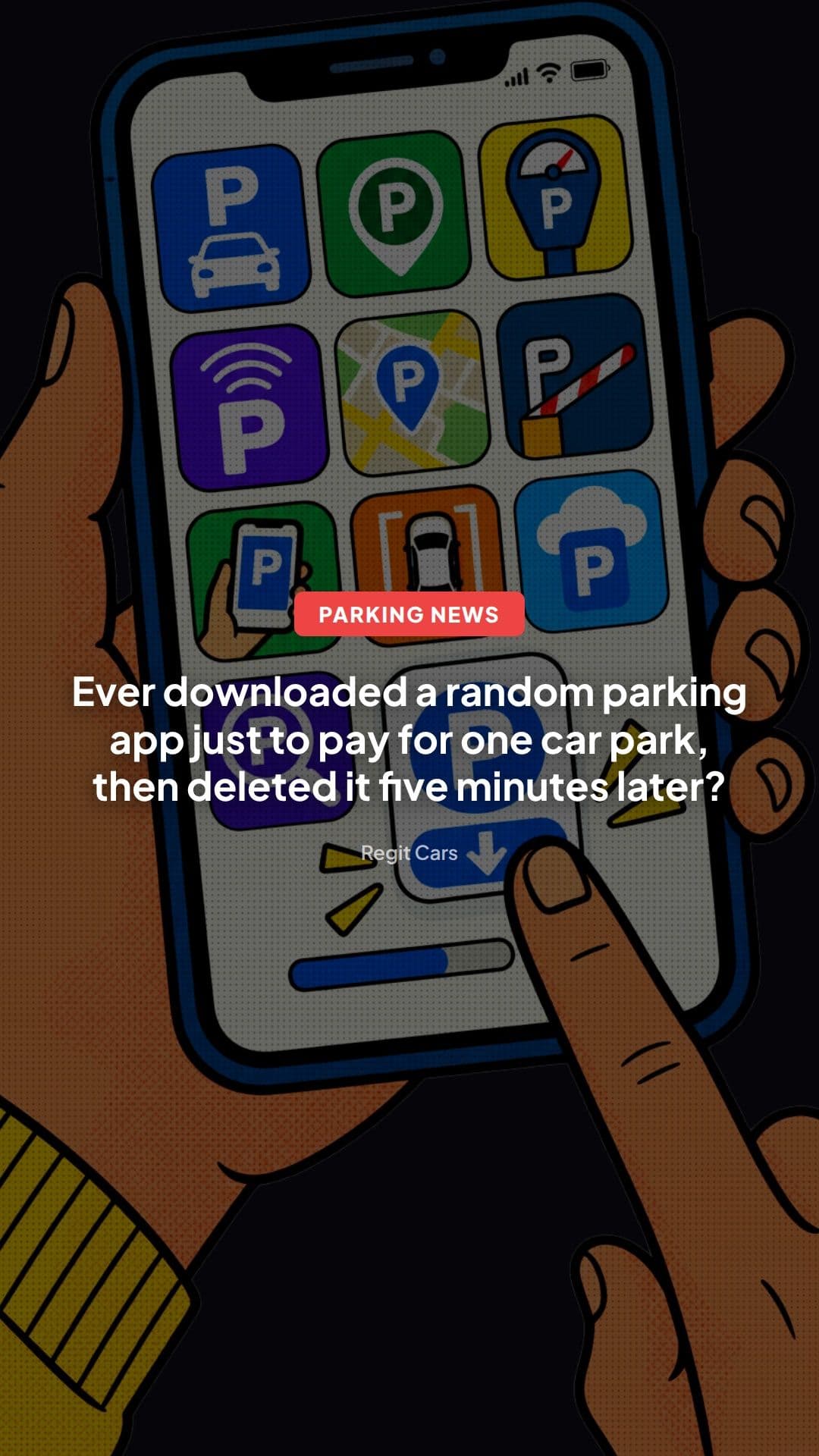
One App For All: What the National Parking Platform Really Means for UK Drivers
Picture this: you drive to a town you've never visited before, park up, and instead of scrambling to find out which of a dozen possible apps the local council has contracted with, you simply open the parking app already installed on your phone and pay. No new account, no fresh download, no hunting for a code on a faded sign. That is the promise behind the government's new National Parking Platform (NPP), and according to reporting from Regit Cars, it is no longer just a concept on a Whitehall spreadsheet. Millions of test payments have already been pushed through the system.
For anyone who has ever stood in a car park at 8am trying to download an unfamiliar app while a warden circles nearby, this is a genuinely significant development. But as with most things involving councils, technology and money, the details matter enormously.
What Actually Happened
The National Parking Platform is a piece of digital infrastructure designed to sit behind the scenes of the UK's parking payment system, connecting the various apps drivers already use (RingGo, PayByPhone, JustPark and others) with the payment systems used by individual local authorities. Rather than each council signing an exclusive deal with a single app provider, forcing drivers in that area to use that one provider or nothing, the NPP effectively creates a shared backend that any participating app can plug into.
In practice, that means a driver could, in theory, use their existing app of choice to pay for parking in almost any participating local authority area, rather than needing to know in advance which of the various providers has the contract for wherever they happen to be parking that day.
According to the source reporting, the system has already processed millions of test transactions, suggesting this has moved well beyond a pilot scheme and into serious infrastructure territory. The ambition, as reported, is genuinely national in scope: a single underlying system that removes the postcode lottery of parking payment apps.
Why This Matters More Than It Might First Appear
It is easy to dismiss this as a minor convenience upgrade, but the current fragmented system causes real problems that go beyond mild annoyance.
Britain has well over 300 local authorities, and a significant number of them have historically each contracted with their own preferred cashless parking provider. Drivers who regularly travel between different areas, tradespeople, delivery drivers, carers, and anyone doing a road trip, have had to juggle multiple apps, multiple accounts, and multiple sets of saved card details. Miss the fact that a particular car park uses a different app to the one you have installed, and you can end up with a penalty charge notice (PCN) simply because you could not pay in time.
This fragmentation has also been a genuine source of stress for older drivers or those less comfortable with technology, who may already be uneasy with cashless-only car parks. If you have read our piece on cashless parking problems, you will know that the shift away from coin-operated machines has not been universally smooth, and app fragmentation has made it worse rather than better.
There is also a commercial angle. A single national platform potentially reduces the negotiating leverage that any one app provider has over a council, since drivers are no longer locked into a specific provider's ecosystem simply by virtue of where they parked. That could, over time, put downward pressure on transaction fees and encourage better customer service, since apps would need to compete on quality rather than exclusivity.
The Legal Angle: Contracts, Enforcement and Your Rights
It is worth being clear about what the National Parking Platform changes and what it does not change legally.
Parking on the public highway or in a council-run car park is governed by the relevant Traffic Regulation Order (TRO), which sets out the restrictions, charges and enforcement powers for that location. The NPP does not alter TROs, nor does it change the legal basis on which councils issue PCNs under the Traffic Management Act 2004 (for civil parking enforcement areas) or related local authority powers. It is purely a payment infrastructure change, sitting behind whichever app you happen to use.
That said, payment infrastructure has direct legal consequences for drivers because so many parking disputes hinge on proof of payment. If you are issued a PCN and you believe you paid correctly, the burden often falls on you to demonstrate that the transaction went through, at what time, and for which vehicle registration. A more unified backend could, in theory, make this easier, since payment records may become more consistently logged and traceable across a single national system rather than scattered across dozens of separate providers' databases.
However, until the system matures and its evidentiary role in appeals becomes clearer, drivers should not assume that a single national platform automatically means fewer disputes. Technical glitches, incorrect registration entries and app errors have long been a source of unfair PCNs, as we have covered in our guide to paying by phone and proving your payment when things go wrong. A new platform does not eliminate human error such as typing the wrong VRM, and misentered registration numbers remain one of the most common (and most successfully appealed) grounds for challenging a PCN, something we explore in our piece on incorrect VRM entries.
Councils remain bound by their statutory duties regardless of which payment platform sits underneath their car parks, including the requirement to give drivers a fair opportunity to pay and clear signage explaining the charges in force. If a driver receives a PCN because an app failed, whether the old fragmented system or a shiny new national one, the core appeal principles under the Traffic Penalty Tribunal and, for London, London Tribunals, remain unchanged. Evidence of a genuine attempt to pay, screenshots, bank statements and timestamps, will still matter enormously.
What Drivers Should Know and Do
While the National Parking Platform is largely a background technical shift rather than something requiring immediate action, there are a few practical points worth keeping in mind:
- Do not delete your existing apps just yet. Even as the platform rolls out, transition periods are common with this kind of infrastructure change, and having your usual app installed and working remains the safest bet for now.
- Always double-check your vehicle registration before confirming payment. Whatever app or platform sits behind the scenes, a mistyped VRM is still one of the most common reasons genuine payments fail to register against the correct vehicle.
- Keep evidence of every payment. Screenshots, confirmation emails and bank statements remain your best friend if a PCN arrives despite you having paid. This is unlikely to change even as the backend infrastructure becomes more unified.
- Watch for rollout inconsistencies. A genuinely national system takes time to bed in across hundreds of councils. Some areas may adopt it faster than others, and it is worth checking official council signage and app details on-site rather than assuming full national coverage exists from day one.
- Be alert to scams during any transition period. Whenever payment systems change, fraudsters tend to follow. Fake QR codes and copycat apps have already caught drivers out, as detailed in our coverage of the parking app QR code scam. A national rebrand or new-look app screen is exactly the kind of moment scammers exploit, so stick to official council signage and verified app store listings.
Looking Ahead
The National Parking Platform represents a sensible piece of digital plumbing that, if it delivers on its promise, should quietly reduce a source of everyday friction for millions of drivers without requiring them to think about it at all. The fact that millions of test payments have already gone through suggests genuine momentum rather than a paper exercise.
The bigger questions now are about pace and consistency: how quickly councils across England, Scotland and Wales adopt the shared system, whether all major app providers fully integrate with it, and whether the promised simplicity survives contact with 300-plus local authorities each with their own procurement timelines and legacy contracts.
For drivers, the sensible approach is cautious optimism. Keep your current apps for now, stay vigilant about payment confirmations regardless of which system you are using, and treat this as a welcome, if gradual, improvement rather than an overnight fix. As always with anything touching parking enforcement, if you do end up with a PCN you believe is unfair, whether due to app failure, unclear signage or a payment that simply never registered, it is worth understanding your formal appeal rights before assuming you have no choice but to pay.
Written by
The Parking Ticket Pal Editorial Team
Source-checked parking guidance
Ready to Challenge Your Ticket?
Let our AI analyse your PCN and generate a professional appeal letter in minutes.
Start Free Appeal