
Electric Car Grant: Why Buying an EV May Cost More
The Electric Car Grant can cut up to £3,750 off eligible EVs, but tax changes and public charging VAT could make electric motoring costlier for UK drivers.

The Parking Ticket Pal Editorial Team
15 November 202610 min read
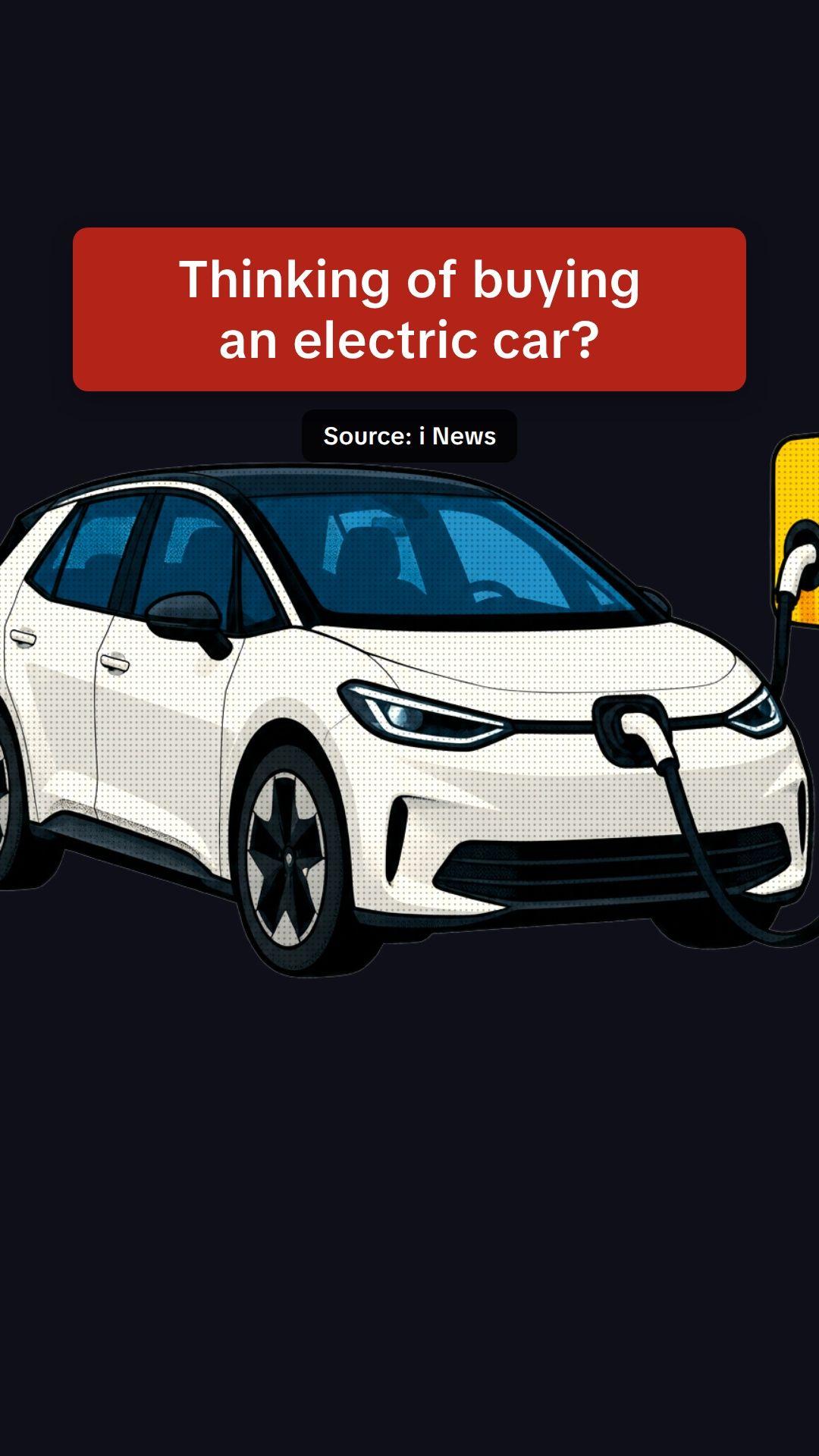
Thinking of Buying an EV? The Grant Is Generous, but the Running Costs Are Shifting
If you have been eyeing an electric car because of the government discount, the sums look good today. Up to £3,750 off the price of a new car is hard to ignore. But as i News reported in its piece on how buying an EV is "about to get more expensive", the bigger question is not what you pay at the dealership. It is what you will pay over the next five, six or seven years of ownership.
That is the part the showroom brochure rarely covers. Let's look at what the grant does, what could erode its value, and what a sensible buyer should check before signing anything.
What the story says
The article explains how the Electric Car Grant works. Eligible new electric cars priced at or below £37,000 can qualify for a discount of up to £3,750, with smaller grants available for some other vehicles. It is not a tax credit you claim later. It is applied by the seller, so the price you pay is reduced upfront.
The sting is in the second half of the story. The piece raises concerns that future vehicle taxation and VAT on public charging could weaken the incentive to switch. In other words, the government is nudging you towards an EV with one hand while policy on the running costs may take some of that advantage back with the other.
Why it matters: the grant is a one-off, the costs are not
A grant is a single discount at the moment of purchase. Running costs, by contrast, accumulate month after month. That asymmetry matters because many drivers who switch to electric do so partly for lower fuel costs. If those savings narrow, the grant has to do more of the work in justifying the switch.
Three pressures are worth understanding.
1. Vehicle taxation is changing
Electric cars used to be exempt from Vehicle Excise Duty (VED). That ended for most new registrations from April 2025, when EVs moved into the standard system. Alongside this, the Expensive Car Supplement, a surcharge paid on top of VED for cars with a list price above a set threshold, has been adjusted for zero-emission vehicles, so the price band you buy in matters.
Looking further ahead, the government has set out plans for a pay-per-mile charge for electric vehicles, intended to replace the fuel duty that EV drivers do not pay. The details and timing are covered in our guide to electric vehicle tax changes, VED and pay-per-mile. The principle is straightforward: as more drivers go electric, the Treasury loses fuel duty income and wants a replacement. That could narrow the running-cost gap between electric and petrol.
2. Public charging carries more VAT than home charging
Domestic electricity is charged at 5% VAT. Public charging is generally charged at 20%. That difference means the cost advantage of an EV is strongest for people who can charge at home, typically on a driveway or in a garage.
For drivers without off-street parking, such as flat dwellers and terraced-street residents, public charging is the main option. They are the group most exposed if public charging costs rise or VAT stays higher. We explored this divide in why public EV charging users could lose out on a VAT cut, and the pricing picture shifts regularly, so check the latest position rather than relying on any single headline.
3. Where you live shapes the real saving
An EV is most financially attractive when you charge cheaply at home. If your regular charging will be at rapid public chargers, your cost per mile can look very different. If you are weighing this up, our look at the cheapest ways to charge an EV at home is a useful starting point.
The legal angle: what protects you when you buy
The grant is a policy, not a consumer right. That distinction matters. Here are the areas of law and regulation worth knowing about. This is general information, not legal advice for your own purchase.
The Consumer Rights Act 2015
If you buy a car from a trader, the Consumer Rights Act 2015 says it must be of satisfactory quality, fit for purpose and as described. You generally have a short-term right to reject faulty goods within 30 days, and rights to repair or replacement afterwards. These rights apply equally to electric and petrol cars, and they apply to the car, not to the grant.
Read what the contract says about the grant
The grant is applied by the supplier, so the contract and order form are where your protection lives. Practical questions worth asking in writing:
- Is the grant already included in the price quoted? The price you are shown should make clear whether it is before or after the discount.
- What happens if the grant changes or the car stops qualifying before delivery? This matters most if you are ordering a car with a long lead time.
- Which date determines eligibility? Check with the dealer how the scheme treats the order date versus the registration or delivery date.
- Does the quote for finance or leasing reflect the grant? Do not assume it does. Ask for the figures with and without it.
Official details of which vehicles qualify and how the scheme works are published on GOV.UK. Our own overview of which EVs qualify for the 2026 grant can help you narrow down models, but always confirm against the official list.
Cancelling and paying deposits
If you buy at a distance, such as online or by phone, the Consumer Contracts Regulations 2013 usually give a 14-day cancellation right, though there are exceptions, including some cars built to your own specification. Paying a deposit by credit card can add protection under Section 75 of the Consumer Credit Act 1974, but that applies only to items with a cash price between £100 and £30,000. Some grant-eligible cars cost more than that, so do not assume you are covered. If finance is involved, it is regulated by the Financial Conduct Authority and comes with its own rights. Citizens Advice and Trading Standards guidance are good places to confirm how this applies to your situation.
What drivers should know: a practical checklist
Work out the total cost, not just the sticker price
Before you commit, put together a simple five-year picture:
- Purchase price after grant, confirmed in writing.
- VED and any surcharge based on the car's list price.
- Charging mix. What share of your miles will be at home, at work, and on public chargers?
- Insurance quotes. Get them before you order, as premiums for some EVs can be higher.
- Servicing, tyres and repair costs. These can differ from petrol cars, as covered in our piece on EV repair costs.
- Likely resale value. Used values are influenced by policy and demand, which can move.
Be realistic about public charging
If you have no driveway, do not rely on home-charging figures you see in adverts. Check what is available near your home and workplace, and how it is priced. Some local authorities are experimenting with on-street solutions, as we covered in on-street EV charging and council gullies.
Charging and parking rules can catch you out
A cheaper unit price is no help if a parking charge follows. EV bays often come with their own rules, and these are among the most common sources of unexpected penalties for new EV owners. Common traps include:
- Staying in a charging bay after your session has finished.
- Parking in a bay marked for EVs without actually charging.
- Charging apps or machines that fail, leaving you unsure whether your session started.
- Signs that set out time limits or payment conditions you did not notice.
If a charger is not working, photograph the screen, the bay and the signs, and report the fault through the operator. Our guide to why EV charging parking fines can come as a shock walks through how these situations arise, and our explainer on what PCN code 71 means for EV bays is useful if you receive a notice.
Keep records
Save your order confirmation, any written statement about the grant, charging receipts and screenshots. If a dispute arises over a purchase or a parking charge, a clear paper trail is the strongest thing you can have.
Looking ahead: a moving target
The honest summary is that the EV landscape is a moving target. Policy on grants, taxation, charging costs and even sales targets has been revisited more than once, and our coverage of the review of EV sales targets shows how quickly the debate can shift.
What does this mean for you as a buyer?
- The grant is real money, but it is not the full story. A £3,750 discount is significant, but it can be outweighed or reinforced by running costs over several years.
- Your charging situation is the biggest variable. Drivers with home charging are best placed to benefit. Those reliant on public charging face the most uncertainty.
- Pay-per-mile charging is the long-term question. If it arrives as planned, the gap between electric and petrol running costs will narrow, which makes the upfront grant and your charging setup even more important.
- Policy can change. Build some resilience into your budget rather than assuming today's rates are permanent.
None of this is a reason to avoid an EV. For many drivers, especially those who can charge at home and do a lot of everyday miles, the case remains strong. But the best decisions are made with the full picture rather than the headline discount. Check the official eligibility rules, get the grant in writing, price up your real-life charging, and make sure you understand the parking rules that come with it.
Do that, and the grant becomes what it is meant to be: a genuine head start, not a surprise waiting to happen.
This article provides general information about UK motoring and consumer rules and is not legal or financial advice. For your own purchase, check GOV.UK for the latest scheme details and consider speaking to Citizens Advice or a qualified adviser. Source: i News.
Written by
The Parking Ticket Pal Editorial Team
Source-checked parking guidance