
York Hospital Parking Fines Rise as Staff Spaces Keep Shrinking
York Hospital staff face parking fines amid a severe space shortage. We examine lost bays, rising penalty income and what affected NHS workers can do.

The Parking Ticket Pal Editorial Team
3 November 2026
Hospital Staff Parking Fines: What the York Hospital Row Tells Us
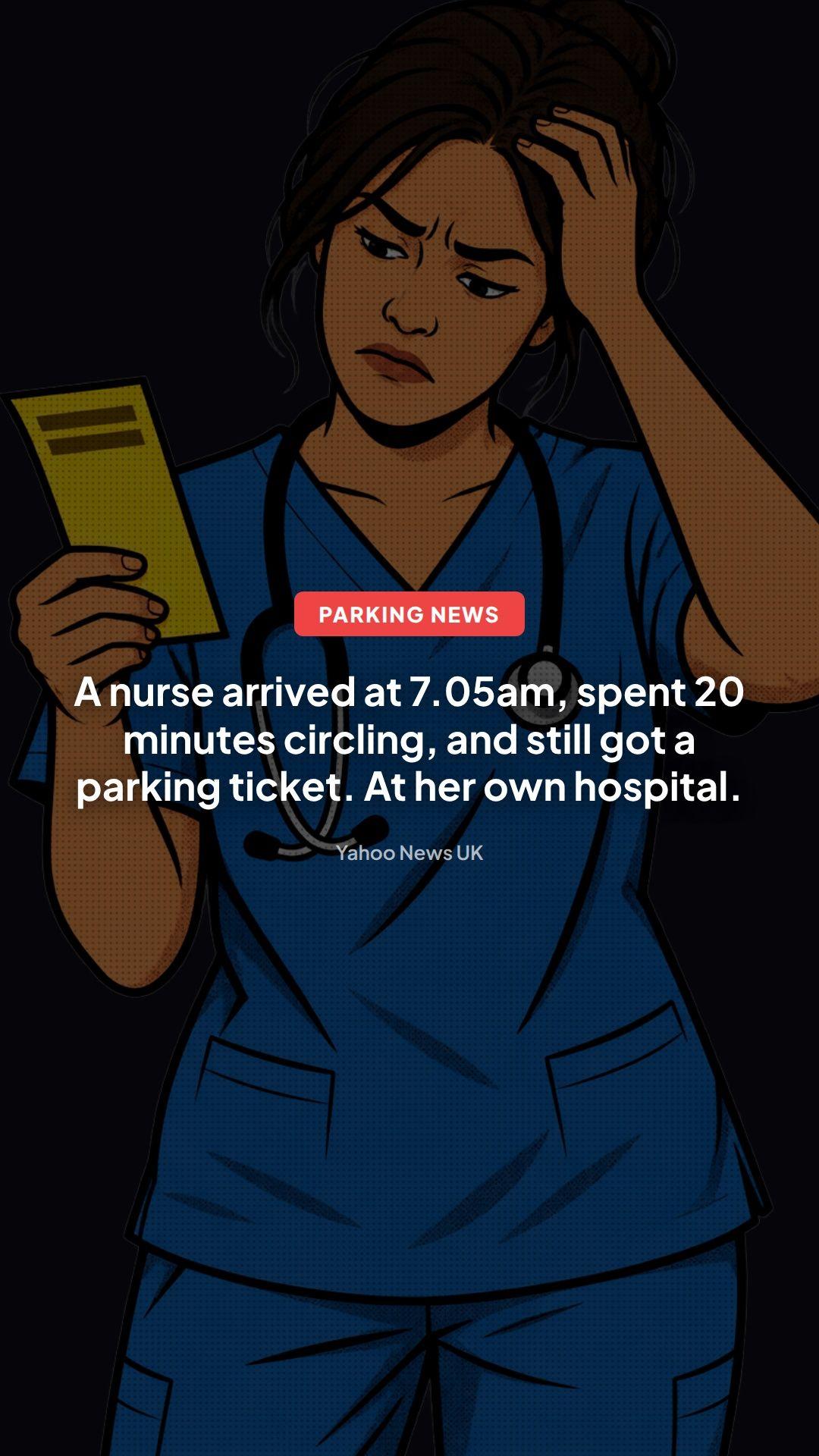
Imagine finishing a twelve-hour shift on a hospital ward, walking to your car and finding a ticket under the wiper. You did not park badly. You did not skip payment. You simply could not find a space that was legal to use.
That is the picture painted by staff at York Hospital, according to a Yahoo News UK report. Workers describe the situation as "atrocious", and their complaint is bigger than one car park. It raises a question that matters to anyone who drives to a hospital: when spaces disappear and fines go up, who is really paying for it?
What happened at York
The core facts reported are these. Staff at York Hospital say a shortage of spaces has left some workers receiving parking tickets. Parking-fine income across the three hospitals in the York and Scarborough NHS trust reportedly rose by more than 50% in just over a year. Meanwhile, York Hospital lost 192 spaces over three years.
Put those figures side by side and the staff frustration is easy to understand. Fewer spaces and more fine income can look like cause and effect. The report does not say, and we should not assume, that the trust is deliberately raising money this way. Fine income can rise for several reasons, such as tighter enforcement, new cameras, more patients and visitors, or a change in how tickets are issued. The article also does not tell us why the spaces were lost. Elsewhere, common reasons include building work, new clinical buildings, or land being repurposed.
What the numbers do show is a pressure point. When demand for parking stays high and supply shrinks, someone ends up circling, parking on grass verges, or leaving the vehicle in an unmarked area and hoping for the best.
Why it matters beyond York
Hospital car parks are unusual places. People do not choose when to be there. Staff work fixed shifts, often starting before buses run and finishing after they stop. Patients arrive with appointments they cannot move. Visitors turn up in distress. Treating these drivers like casual shoppers who can simply go elsewhere does not really fit.
Several wider issues sit underneath the York story:
- Shift work and transport gaps. Many NHS workers have no practical alternative to driving, particularly at night or from rural areas.
- Space as a scarce resource. Once a site loses spaces, the same number of people compete for fewer bays, and enforcement becomes the main tool for managing demand.
- Income versus purpose. Parking charges and fines at NHS sites are controversial because the money is meant to be reinvested in running the car park or in patient care, yet people understandably feel penalised for trying to get to work or a medical appointment.
- Morale and retention. Staff who feel punished for turning up on time may become less likely to stay, a worry that has been raised in other trusts too.
For a deeper look at the money involved nationally, see our post on NHS parking charges hitting £300m. For a similar staff-focused row elsewhere, there is Medway hospital parking charges and staff.
The legal angle: what kind of "fine" is it?
The first thing worth understanding is that a hospital parking "fine" is usually not a fine at all.
Council penalty charge notices (PCNs) are issued by local authorities on public roads and in council car parks under traffic legislation. They are enforced through the statutory system, with formal representations and the independent Traffic Penalty Tribunal if needed.
Private parking charges are different. Most hospital car parks are on private land, so what you receive is an invoice alleging breach of contract (or sometimes trespass) based on the signs displayed. It is a civil matter, not a criminal one, and it is not a fine in the legal sense. Whether the site is run in-house by the trust or by a contracted operator, the same broad principles generally apply. Some trusts handle enforcement themselves and others outsource it, so the first step with any ticket is to read it carefully and identify who issued it and under what authority.
Key rules for private charges
- Contract and signage. A charge is only enforceable if the driver could reasonably have been aware of the terms. Signs must be clear, prominent and legible. See our guide on using unclear parking signs as a defence.
- The Beavis case. In ParkingEye v Beavis [2015] UKSC 67, the Supreme Court upheld a £85 charge at a retail car park, ruling it was not an unenforceable penalty because the operator had a legitimate interest in managing the space. That case set the broad framework, but it turned on its particular facts, including very clear signage.
- Keeper liability. Under Schedule 4 of the Protection of Freedoms Act 2012, an operator can pursue the registered keeper only if specific conditions are met, including strict wording and timing requirements for the notice. Where no ticket is placed on the vehicle, the notice to keeper generally has to arrive within 14 days of the event. If those requirements are not met, keeper liability may fail.
- Industry codes. Operators who use DVLA keeper data must belong to an accredited trade association, either the BPA or the IPC, and follow its code. Our explainer on BPA versus IPC membership covers the differences.
- Appeals. Operators have their own internal appeal process first. If that fails, accredited operators' customers can generally escalate to an independent body. For BPA members that is POPLA, and our step-by-step POPLA guide walks through it.
Rules for private parking are also in flux. The government has been working on a statutory code under the Parking (Code of Practice) Act 2019, with proposals such as a cap on charges and a minimum grace period being discussed. See new private parking rules explained for the latest we have covered. Check current official guidance, because details can change.
NHS-specific guidance
In England, national NHS car parking principles say trusts should consider concessions or free parking for certain groups, such as disabled people, frequent outpatient attenders, and staff working night shifts. This is guidance for trusts rather than a personal right enforceable in the way a statute would be, but it does give patients and staff a basis for raising concerns with the trust directly. Trusts are also expected to be open about their charges and concessions. Whether these arrangements are working in practice at any given site is a fair question for staff, patients and local representatives to ask.
What drivers should know
The following is general information, not advice on any individual case.
If you are hospital staff
- Check your permit terms. Staff permits usually come with conditions about where and when you can park. A permit does not always guarantee a space, and the terms may say so.
- Read the ticket properly. Is it from the trust or an operator? What exactly is the alleged contravention? Does it match what happened?
- Raise it internally as well. Staff networks, unions and estates teams may have routes for flagging that a car park is chronically oversubscribed. A cluster of tickets in the same area can make a persuasive case for change.
- Keep records. Note the time, date, the situation, and photograph the signs and bay markings. If you could not find a legal space, photographs of full car parks, with timestamps, can support an explanation.
If you are a patient or visitor
- Ask about concessions before you park. Eligibility may cover frequent attendees, blue badge holders, or relatives of seriously ill patients, depending on the trust.
- Plan extra time. If a site is short of spaces, circling for a bay can make you late. Check the trust website for parking guidance and alternatives.
- Know your emergency position. If you stopped in an unauthorised place because of a genuine emergency, say so clearly in any appeal. Our post on hospital emergency bay parking rules is useful here.
If you receive a ticket
- Do not ignore it. Ignoring letters can lead to escalation, including debt collection letters or a court claim.
- Do not pay in a panic. Note the deadlines, but check whether the charge is valid first. Paying early at a discounted rate may end the matter, which is a trade-off to weigh carefully.
- Appeal in writing. Stick to facts and evidence: signage, bay markings, payment records, and any mitigating circumstances.
- Look at the sequence. Did the charge arrive on time, with the right wording? Is the alleged breach actually covered by the signs?
- Escalate if needed. If an internal appeal is rejected, use the independent route available to you. For high-stakes disputes or court papers, consider independent advice from a body such as Citizens Advice or a qualified solicitor.
One point to keep realistic: a shortage of spaces explains why someone parked where they did, but it does not automatically cancel a charge. Appeals tend to succeed on the basis of evidence about signs, procedure or genuine mitigating circumstances, so a clear, factual account helps more than a general complaint about the situation.
Looking ahead
York is unlikely to be the last place where this argument plays out. NHS estates are under pressure from ageing buildings, expansion plans and shrinking land. At the same time, trusts face tight finances, which makes parking income tempting and controversial in equal measure.
A few things to watch:
- Transparency on income. If fine income at the York and Scarborough trust has indeed risen by more than 50%, staff and the public may reasonably ask what the money is spent on and whether enforcement is proportionate.
- Supply and alternatives. Replacement parking, park and ride, shuttle services, cycle facilities and better public transport links all affect whether staff can realistically avoid driving.
- Private parking reform. Any national changes to charge levels, grace periods and appeals could affect how hospital car parks operate.
- Concession enforcement. Pressure from unions and campaigners may push trusts to apply night-shift and other concessions more consistently.
The deeper lesson is that parking at hospitals is not just a motoring issue. It affects who can staff a ward, how patients get to treatment, and whether a car park is seen as a service or a revenue stream. If your own hospital is feeling the squeeze, document what you see, use the appeal routes available, and raise concerns through the trust. Evidence and persistence tend to get further than frustration alone.
This article is general information about UK parking and motoring rules and is not legal advice. For help with a specific charge, consult official guidance or a qualified adviser.
Written by
The Parking Ticket Pal Editorial Team
Source-checked parking guidance
Ready to Challenge Your Ticket?
Let our AI analyse your PCN and generate a professional appeal letter in minutes.
Start Free Appeal