
Medway Hospital Parking Charges: Staff Hit by £15 Rise
Medway Maritime Hospital parking now costs £15 a day, up from £9.20. Explore what the rise means for NHS staff, patients and parking support options available.

The Parking Ticket Pal Editorial Team
17 September 2026
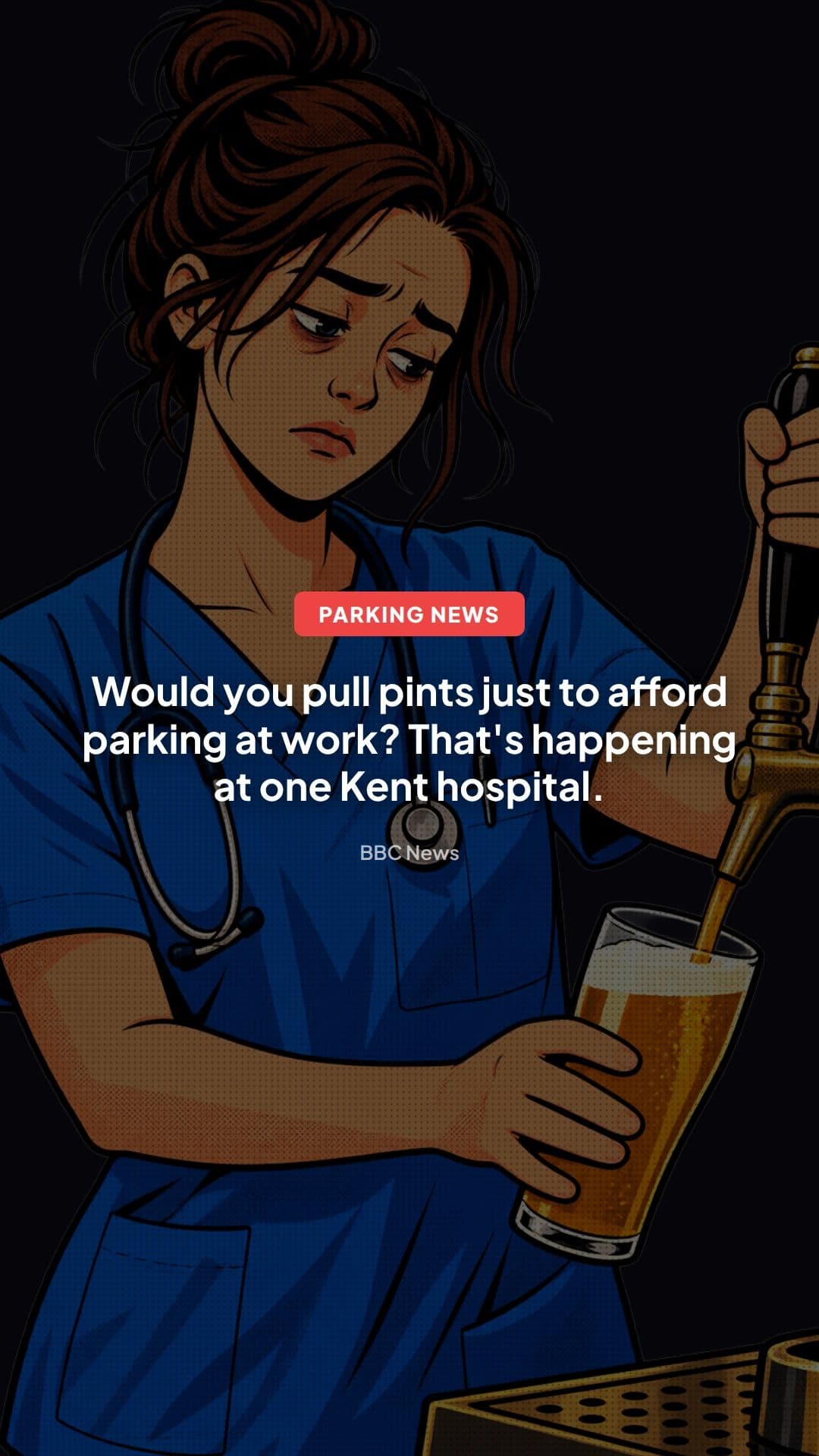
When Hospital Car Parks Become a Second Job: The Real Cost of Parking at Medway Maritime
Hook
Imagine finishing a twelve-hour shift on a hospital ward, exhausted and drained, only to head straight to a second job behind a pub bar because the cost of simply parking your car at work has become unaffordable. That is the reality now facing some staff at Medway Maritime Hospital in Kent, where the price of a one-day parking stay has jumped from £9.20 to £15, a rise that on its own sounds modest but, stacked on top of years of squeezed pay and rising living costs, has become the final straw for some employees. This is not just a story about a car park. It is a story about what happens when the cost of getting to work starts eating into the wages earned once you get there.
What Happened
According to BBC News, parking charges at Medway Maritime Hospital have risen sharply, with a one-day stay now costing £15, up from £9.20. For staff who drive to work daily, that increase is not a one-off inconvenience. It compounds shift after shift, week after week, turning what was already a significant outgoing into a serious dent in take-home pay. The report highlights that some hospital staff have taken on additional work in pubs to help absorb the extra financial pressure, a striking illustration of how a parking price rise can ripple outward into people's wider lives and finances.
Medway Maritime is not unique in this respect. Hospital trusts across England have been raising parking charges in recent years, often citing the cost of maintaining car parks, funding shuttle buses, or covering wider estate costs. But for staff, especially those in lower-paid roles such as porters, healthcare assistants, and administrative workers, these increases land at a particularly difficult time, when energy bills, food prices, and fuel costs have already stretched household budgets thin.
Why It Matters
Parking might seem like a peripheral issue compared to headline NHS concerns such as waiting lists or staffing shortages, but it is deeply intertwined with staff retention and morale. Many hospital sites, including Medway Maritime, are located in areas with limited or unreliable public transport at the antisocial hours that shift workers often travel, meaning driving is not a lifestyle choice but a practical necessity. When the cost of parking rises sharply, staff are left with few alternatives.
There is also a fairness dimension. NHS trusts have long argued that hospital car parks need to generate revenue to cover maintenance, security, and infrastructure costs, particularly as public funding for the NHS estate remains tight. But when that revenue is effectively drawn from the wages of the very staff the trust depends on, it raises uncomfortable questions about where the burden of NHS underfunding ultimately falls. It is one thing for the public or visitors to pay increased charges. It is another for staff, who have no choice but to attend their workplace, to be squeezed in the same way.
This story also sits within a broader pattern of NHS parking charges rising across the country, a trend that has affected staff, patients, and visitors at hospitals in various regions. The pressure point is always the same: hospitals need income, but the people paying it are often those least able to absorb further costs.
The Legal Angle
It is worth understanding exactly how hospital parking charges work, because they are not treated the same way as an on-street parking fine issued by a council.
Hospital car parks are private land, and the charges levied there are contractual rather than statutory. This means that when you park at a hospital, you are entering into a contract with the landowner (the NHS trust or its parking contractor) based on the terms displayed on signage. If you fail to pay, or overstay, you may receive a Parking Charge Notice rather than a Penalty Charge Notice. These are enforced under contract law and, where the operator is a member of an accredited trade body, under the Protection of Freedoms Act 2012, which allows keeper liability to be pursued if the driver cannot be identified.
There is an important legal and policy backdrop specific to the NHS, however. Since 2020, NHS England guidance has required hospital trusts in England to provide free parking for certain groups, including Blue Badge holders, frequent outpatient attenders, parents of sick children staying overnight, and staff working night shifts. This guidance was introduced partly in response to long-standing criticism that hospital parking charges disproportionately hit the most vulnerable. Staff who do not fall into these narrow exemption categories, however, such as those working standard day shifts, are generally still expected to pay for parking, often at rates set independently by each trust or its parking operator.
This is where the Medway situation becomes legally and politically interesting. There is no blanket statutory cap on what a hospital can charge staff for parking, and increases like the one from £9.20 to £15 are, in themselves, entirely lawful provided they are properly signposted and the contractual terms are clear. The legal obligation on trusts is really one of good practice and NHS guidance rather than hard statutory limits, which leaves considerable discretion in the hands of individual hospital management.
For drivers more broadly, it is worth remembering that NHS car parks are also subject to general consumer protections. Signage must be clear and prominent, charges must be proportionate, and any enforcement action for non-payment must follow the correct process. If you believe you have been unfairly charged at a hospital car park, understanding your rights around private parking charge notices is essential, and there are well established routes for challenging charges that are not properly signposted or fairly applied.
What Drivers and Staff Should Know
If you are an NHS employee, patient, or visitor affected by rising hospital parking costs, there are some practical points worth keeping in mind:
- Check exemption eligibility. If you are a Blue Badge holder, a frequent outpatient, a parent of a child staying in hospital overnight, or a staff member working night shifts, you may be entitled to free or discounted parking under NHS England guidance. Ask your trust's HR or facilities team directly, as these concessions are not always well publicised.
- Ask about staff parking permits or salary sacrifice schemes. Some trusts offer discounted long-term permits or payroll deduction schemes that can reduce the effective daily cost compared with paying per visit.
- Explore park and ride or shuttle options. Some hospital sites operate off-site parking with shuttle buses at a lower cost than on-site car parks, though availability varies significantly by location.
- Keep evidence of payment. Whether you are staff or a visitor, always retain payment confirmations, whether a paper ticket, app receipt, or bank statement entry, in case a Parking Charge Notice is wrongly issued due to a system error.
- Challenge unclear or unfair charges. If signage was inadequate, charges were applied incorrectly, or a genuine payment failure occurred, you have the right to appeal a Parking Charge Notice through the operator and, if necessary, an independent appeals service.
Looking Ahead
The situation at Medway Maritime Hospital is unlikely to be an isolated case. As NHS trusts continue to grapple with tight budgets and ageing infrastructure, many will look to car parking revenue as a relatively easy lever to pull. But stories like this one, where staff are reportedly taking on second jobs in pubs just to keep up, suggest that the human cost of these decisions deserves far more scrutiny than it currently receives.
There have been repeated calls from unions and campaigners for NHS staff parking to be free across the board, treating it as a basic condition of employment rather than a discretionary perk. Whether government policy moves in that direction remains to be seen, but as staffing shortages continue to challenge the NHS, trusts may need to think carefully about whether short-term parking revenue is worth the longer-term risk of pushing valued staff towards burnout, or out of the profession altogether. For now, staff at hospitals like Medway Maritime are left balancing the books themselves, one extra pub shift at a time.
Written by
The Parking Ticket Pal Editorial Team
Source-checked parking guidance
Ready to Challenge Your Ticket?
Let our AI analyse your PCN and generate a professional appeal letter in minutes.
Start Free Appeal