
UK Petrol and Diesel Car Ban: What the EU Ruling Means
UK plans to end new petrol and diesel car sales in 2030. Find out what the EU ruling means, the 2035 deadline and charging infrastructure changes ahead.

The Parking Ticket Pal Editorial Team
18 November 202610 min read
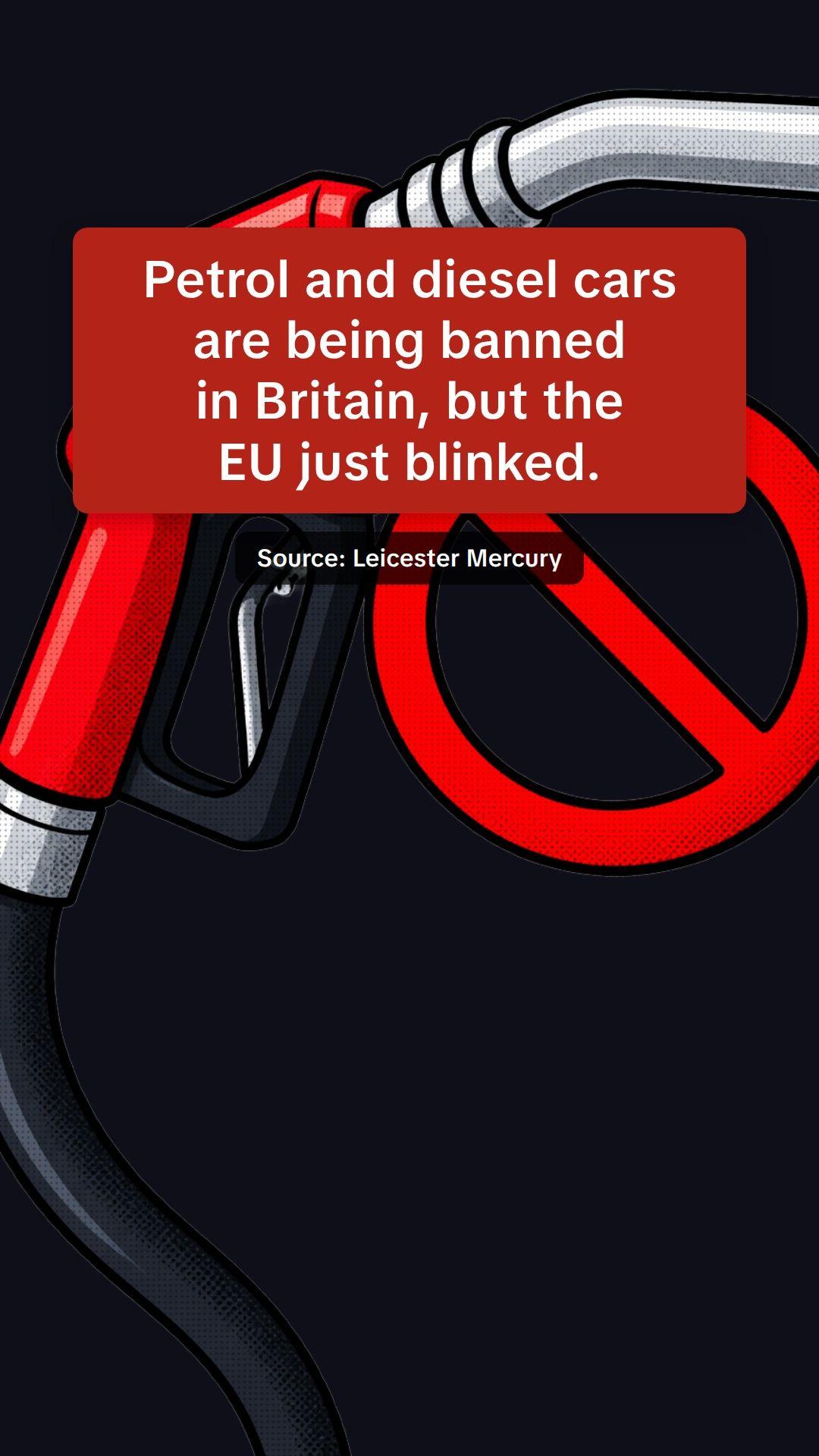
Petrol and Diesel Ban Update: What the 2030 and 2035 Dates Really Mean for UK Drivers
Few phrases in British motoring cause as much confusion as "the petrol and diesel ban". Ask ten drivers what it means and you will get ten answers. Some think their current car will be banned from the road. Others think the whole thing has quietly been scrapped. Neither is right, and a fresh news cycle, this time with an EU angle, has stirred the pot again.
This guide separates the headlines from the rules, explains how the policy works in law, and looks at what it means in practice, from buying a car to parking one.
What happened
According to the Leicester Mercury's report, the UK still plans to end sales of new petrol and diesel cars in 2030. From 2035, all new cars and vans sold must be zero-emission. The report also describes measures intended to speed up the rollout of charging infrastructure.
The headline refers to an EU ruling. The summary we have does not set out the detail of that, so it is worth reading the original piece for the precise context. The wider point is easy to grasp, though. The UK and the EU have long moved in loosely parallel directions on vehicle emissions, and carmakers sell across both markets. When Brussels revisits its rules, UK drivers and manufacturers naturally ask whether Westminster will follow. The latest update suggests the UK's published timetable stands.
It is a sales rule, not a driving ban
The most important point is also the most misunderstood. Nothing in the policy stops you owning, driving, repairing or selling a petrol or diesel car. The 2030 and 2035 dates apply to the sale of new vehicles by manufacturers and dealers.
In practice:
- Your current petrol or diesel car stays legal to drive after 2030 and after 2035, provided it is taxed, insured and has a valid MOT.
- Used petrol and diesel cars can continue to be bought and sold on the second-hand market.
- Fuel will still be on sale at forecourts.
If you want a clearer picture of which vehicles fall on which side of the line, our guide to which cars are affected by the 2030 petrol and diesel ban goes through the categories.
How the policy works in law
The UK does not run this through a single "ban" statute. The main mechanism is the Zero Emission Vehicle (ZEV) mandate, created under the Vehicle Emissions Trading Schemes Order 2023 and in force from January 2024. It sets annual targets for the share of new cars and vans that manufacturers must sell as zero-emission. For cars, the percentage rises each year from 22% in 2024 to 80% in 2030 and 100% in 2035.
Two features matter for understanding the news.
1. The targets fall on manufacturers, not drivers. Carmakers that miss their targets face financial penalties per vehicle, though they can use flexibilities such as banking and borrowing credits and trading with other manufacturers. The government adjusted the scheme in 2025, softening some of the penalty levels and widening the rules to allow certain hybrids to be sold between 2030 and 2035. Under those changes, the 2030 date for ending the sale of new pure petrol and diesel cars stayed in place, while full hybrids and plug-in hybrids can continue until 2035.
2. The 2035 end point is broader than "electric". The rule requires zero tailpipe emissions at the point of sale. That is why you will see references to technologies beyond battery electric, though in practice battery EVs dominate.
The mandate sits within the wider framework of the Climate Change Act 2008 and its net zero target for 2050. Policy dates can be changed by government, usually through secondary legislation, which is why this subject keeps returning to the headlines. Any shift would need to go through the proper process, so it is worth checking GOV.UK for the current position rather than relying on social media summaries.
Why the EU link matters
British carmakers do not build cars for a UK-only market. Vehicles are often designed once and sold across several countries, so divergence between UK and EU rules creates cost and complexity. Industry voices have repeatedly argued about timing and flexibility, and our earlier coverage of carmakers urging a rethink of the 2035 plans explored that debate.
For drivers, the practical effect is indirect but real. If manufacturers face tougher UK targets than their EU competitors, they may prioritise which markets get the most affordable electric models. If the rules align, the choice on UK forecourts could widen. Neither outcome is guaranteed, and we should not pretend to forecast prices here. The takeaway is that the policy environment affects what is on the showroom floor, not just what is on the statute book.
Charging: the part drivers actually feel
A sales target is meaningless to a driver without somewhere to plug in. That is why the infrastructure measures mentioned in the report matter as much as the dates.
The key legal framework is the Public Charge Point Regulations 2023. In broad terms, they set standards for public charging, including:
- Reliability requirements for rapid chargers, with a target of 99% uptime on networks.
- Contactless payment at newer and larger chargepoints, so you do not need a dozen apps.
- Price transparency, with costs displayed in pence per kilowatt hour.
- Open data, so that apps and sat navs can show where chargers are and whether they are working.
- A 24-hour free helpline for operators.
These are real consumer protections, but they do not solve every problem. Drivers without driveways remain the hardest group to serve, which is why on-street charging has become a local flashpoint. Our piece on councils and on-street EV charging gullies looks at one approach and its limits. Costs also remain a live issue, and our coverage of rapid charging price cuts shows how quickly the picture can change.
The parking dimension
As a parking-focused site, we see a growing side effect of the shift to electric cars: a new category of parking disputes. Charging bays are often governed by strict terms, and drivers can fall foul of them in ways that never applied to petrol cars.
Common trouble spots include:
- Parking in an EV bay without charging, or staying after charging has finished.
- Failing to pay both the parking fee and the charging fee, which are sometimes separate transactions.
- App or chargepoint faults where the charger does not start but the bay still has rules attached.
- Unclear signage about who may use the bay and for how long.
Whether a charge is valid depends on who runs the car park and what the signs say. Council-run on-street bays are enforced through Penalty Charge Notices under traffic regulation orders. Private car parks use parking charges that rely on contract and signage. Those are different regimes with different appeal routes. We have covered the real-world fallout in why a driver faced a £270 EV charging bill and in our guide to EV charging bay fines in 2026.
Practical habits help here:
- Read the signs before you plug in. Check time limits, charging-only rules and whether you need to pay for parking separately.
- Take photos of the bay, the signage, the charger screen and any error message if something fails. Time-stamped evidence is invaluable if you later need to challenge a charge.
- Keep payment records, including app receipts and screenshots.
- Report faulty chargers through the operator's helpline and note the time and reference number.
Practical advice for drivers right now
You do not need to rush any decision because of this news. Here is how to think about it sensibly.
If you drive a petrol or diesel car. There is no deadline forcing you off the road. Your decision should rest on running costs, your annual mileage and local rules such as clean air zones, which can apply to older vehicles. Some zones charge based on emissions standards, so check your own vehicle against the scheme in the areas where you drive.
If you are considering an electric car. Look at the full picture rather than the sticker price. Consider home charging access, typical journey lengths, insurance, and any available government support. Our guide to the Electric Car Grant explains which models qualify. Remember also that the government has announced plans to bring EVs into a pay-per-mile system later in the decade, so it is worth reading up on what pay-per-mile tax could mean before you run the numbers.
If you are buying used. Your rights under the Consumer Rights Act 2015 apply to dealer sales: goods must be of satisfactory quality, fit for purpose and as described. That covers used electric cars as much as petrol ones. Ask for the battery health information, check the service history and be clear on warranty terms, as battery cover is typically set by the manufacturer rather than by law.
If you rent or lack off-street parking. Ask your council about its charging plans and whether it runs a request scheme for chargepoints. Policies vary widely by area, and it is better to find out before you commit to a car you cannot easily charge.
Looking ahead
The honest answer to "will the dates change?" is that nobody can say for certain. Policy targets in this area have been adjusted before, most recently in the 2025 changes to the ZEV mandate, and pressure from industry and from developments in Europe will continue. At the same time, the framework is firmly embedded in law, and the government has repeated its commitment to the 2030 and 2035 milestones.
For drivers, three themes are worth watching:
- Charging reliability and price. The regulations set a baseline. Whether drivers feel the difference will determine how smoothly the transition goes.
- Taxation. As fuel duty revenue is expected to decline over time, how electric cars are taxed will shape the real cost of switching.
- Enforcement and parking rules around EV bays. As more drivers plug in, expect more scrutiny of how charging bays are managed and how penalties are applied.
The sensible approach is to treat the 2030 and 2035 dates as a direction of travel rather than a cliff edge. Keep an eye on official guidance, read the terms wherever you park or charge, and keep your evidence if a dispute arises. This article is general information rather than legal advice, so for anything involving a specific penalty or dispute, check the official guidance on GOV.UK or seek professional advice.
Written by
The Parking Ticket Pal Editorial Team
Source-checked parking guidance