
Lancing £100 ANPR Parking Charges: Drivers' Rights Explained
More than 400 customers at a Lancing soft-play centre received £100 ANPR parking charges. Learn your rights, appeal options and how the rules apply.

The Parking Ticket Pal Editorial Team
27 November 202611 min read
Picture a Saturday morning with a toddler on one arm and a changing bag on the other. You pull into a car park, stop briefly to sort the chaos, and drive off again. A few days later, a letter arrives demanding £100.
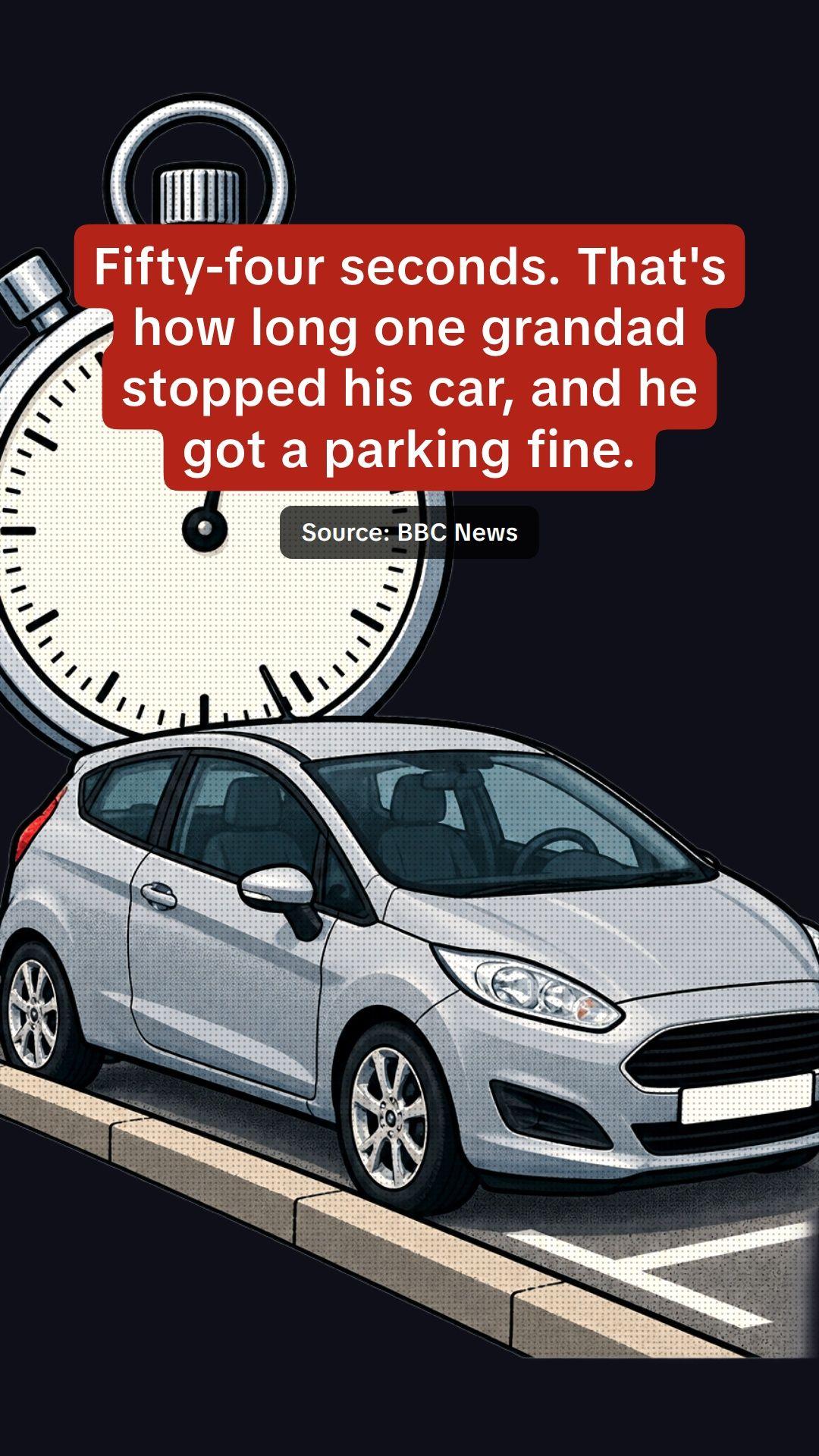
That is the sort of scenario now worrying families in Lancing, West Sussex. According to BBC News, a soft-play business says more than 400 customers have received £100 charges since an automatic number plate recognition (ANPR) system was introduced. One customer was reportedly charged after stopping for just 54 seconds.
It is a small story with big questions. What can a private operator charge for? How does ANPR change the game? And what are your rights when a camera, not a person, decides you have broken the rules?
What happened in Lancing
The key facts, as reported, are straightforward:
- A soft-play business in Lancing says more than 400 of its customers have received £100 charges since ANPR was introduced.
- The operator says the system is meant to improve safety and access.
- One customer was reportedly charged after stopping for 54 seconds.
The business says the situation has left customers fearful. That matters commercially, because a soft-play centre depends on repeat visits from parents who want a stress-free morning out, not a nagging worry about the car park.
The report does not give us every detail, such as precisely what the signs said, where the 54-second stop took place, or what the operator's rules for stopping and drop-off are. Those details would decide whether any individual charge was fair. What we can do is look at how this kind of enforcement works across the UK and what the rules say.
Why ANPR makes these charges so common
Traditional private parking enforcement relied on a warden walking the site and placing a ticket on a windscreen. That limited how many vehicles could be checked. ANPR removes the limit.
Cameras at the entrance and exit log every number plate, with a time stamp. The system calculates how long each vehicle was on site, and anything that breaches the rules, such as overstaying, not registering, or stopping in a restricted area, is flagged automatically. The operator then requests the keeper's details from the DVLA and posts a charge.
Several things follow from this:
- Consistency. Cameras do not use discretion unless someone has programmed it in or a human reviews the data.
- Volume. Hundreds of charges in a short period is entirely plausible when every vehicle is monitored.
- Short stays get caught. A person might not have noticed 54 seconds, but a camera records it exactly.
Whether a short stop should trigger a charge at all depends on the site rules and signage. A stop to drop off a child is arguably very different from someone leaving a car unattended for hours. But a system that only measures time on site cannot tell the difference unless it has been set up to.
Why it matters beyond one town
This story is a neat illustration of a tension that runs across UK car parks, from retail parks to leisure venues.
Landowners often use private operators to manage parking, sometimes at no cost to themselves, with the operator earning its income from charges. Landowners and businesses can have good reasons for doing so: keeping spaces free for genuine customers, stopping commuters or shoppers from nearby sites using the car park, and keeping access clear for emergency vehicles and for pedestrians (including small children) crossing the car park.
The difficulty is when a safety or access policy produces a stream of charges against the very customers the business wants to welcome. Parents with young children are exactly the people most likely to stop unexpectedly: a child needs the toilet, a bag has been forgotten, a toddler refuses to get out of the car seat.
For the business itself, the reputational risk is real. Customers may blame the venue, not the operator, even if the venue did not intend for the system to catch them. Landowners usually have the power to instruct the operator to cancel charges, change rules or adjust settings, which is why local businesses often become the first port of call for angry customers.
If you want more background on how these charges work generally, our guide to whether you have to pay a private parking charge is a good starting point.
The legal angle
Here is where it gets technical, so let's keep it plain. This is general information, not legal advice.
A charge is not a fine
Councils issue penalty charge notices under statute. Private operators do not. A private parking charge is a claim in contract (or occasionally trespass): by entering the land and parking, the driver is said to accept the terms displayed on the signs. If the driver breaks those terms, the operator says they owe the charge. That makes the signage, and whether it was clear, prominent and legible, central to almost every dispute.
The Beavis case
The leading authority is ParkingEye v Beavis [2015] UKSC 67. The Supreme Court held that a £85 charge at a retail car park was not an unenforceable penalty, because the operator and landowner had a legitimate interest in managing the car park and the charge was not extravagant, given it was clearly signed. That case is often quoted to justify charges around the £100 mark, but it does not mean every charge is automatically enforceable. The facts always matter: the signs, the contract terms, what the driver actually did, and whether the charge is properly pleaded.
Keeper liability and ANPR
When ANPR is used, the operator typically does not know who was driving. To pursue the registered keeper, they usually rely on Schedule 4 of the Protection of Freedoms Act 2012 (POFA). That schedule sets strict conditions, including what the notice must say and when it must be delivered. Where no notice was left at the time, the notice to keeper generally has to arrive within a tight window after the parking event. If an operator misses the conditions, they may be unable to hold the keeper liable, though they can still pursue the driver if they can identify them.
Industry codes and appeals
To obtain keeper data from the DVLA, operators must belong to an accredited trade association, either the British Parking Association (BPA) or the International Parking Community (IPC). Both have codes of practice covering signage, grace periods, and how ANPR should be used. Independent appeals services sit behind them: POPLA for BPA members and the Independent Appeals Service for IPC members. Our explainer on BPA vs IPC membership covers the differences, and our step-by-step guide to POPLA appeals explains how the process works.
Reform on the horizon
The rules are in flux. Parliament passed the Parking (Code of Practice) Act 2019 to create a single government-backed code for private parking, with proposals around grace periods and charge levels. We have covered those proposals in more detail in our piece on the 10-minute grace period and £100 cap, so we will not repeat the detail here. The key point for the Lancing story is that the direction of travel is towards more consistency and more protection for drivers, but you should check what rules currently apply to a given site rather than assuming future rules are already in force.
Data and fairness
ANPR also involves personal data, so operators must comply with UK GDPR and the Data Protection Act 2018, and the ICO has published guidance on surveillance cameras. Separately, the Consumer Rights Act 2015 requires terms and notices to be fair and transparent. These do not automatically cancel a charge, but they can feed into a challenge.
What drivers should know
Nothing here applies to your own case automatically, but these are the issues drivers commonly weigh up when an ANPR charge arrives.
1. Read the sign before you dispute anything. Does it say the car park is for customers only? Is there a maximum stay? Does it mention drop-off or a grace period? Are the charge and the conditions clearly stated at the entrance, not hidden at the back of the site?
2. Photograph the signage. If you can, return to the site and record where signs are placed, how big the lettering is, and what the lighting is like. Photos taken soon after the event are often more useful than memory.
3. Check the dates. Note the date of the alleged contravention and the date on the letter. For keeper liability, timing can be crucial. Our explainer on ANPR camera accuracy and proving errors goes into what evidence can matter.
4. Consider the circumstances. Were you a genuine customer? Did you have a good reason to stop, such as a child's welfare, a medical issue, or a breakdown? Evidence of this, such as booking confirmations or receipts, may help. Our post on a £100 parking charge for an ice cream stop looks at a similar short-stop dispute.
5. Appeal in writing, and keep records. Most operators allow an initial appeal. If it is rejected, the rejection letter should explain how to escalate to POPLA or the IAS, depending on the operator's membership. Keep copies of everything.
6. Contact the business. Where the customer is a genuine customer, the venue may be able to ask the operator to cancel. A polite message to the business is often worthwhile, particularly when many customers are affected.
7. Do not simply ignore letters. Ignoring a charge does not make it go away, and unpaid claims can escalate to debt collection letters and, in some cases, county court claims. If you receive court papers, they have strict response deadlines. For anything significant, consider free advice from Citizens Advice or a qualified legal adviser.
Looking ahead
The Lancing case shows how quickly ANPR can produce a large number of charges when a site goes from lightly monitored to fully automated. Whether the operator's safety and access aims are justified, and whether the charges are enforceable, will depend on the details of signage, contract terms and the operator's compliance with industry rules.
For drivers, expect more of this, not less. ANPR is cheap, scalable and increasingly standard, from supermarkets to leisure sites. The pressure for fairer rules, including clearer grace periods and better appeals, is also growing.
For businesses, the lesson is just as clear. Hiring an operator does not remove responsibility for how customers are treated. Reviewing settings, signs and a sensible allowance for brief drop-offs can protect both safety and goodwill.
If you have received a charge from this or a similar site, the most useful step is to gather the evidence, check the signs and the timeline, and use the official appeal routes. For genuinely high-stakes disputes, seek independent advice. And next time you pull into a car park, take ten seconds to read the sign. It might save you a lot more than 54 seconds of trouble.
Written by
The Parking Ticket Pal Editorial Team
Source-checked parking guidance