ANPR camera accuracy in UK parking: errors & proof
How accurate are ANPR cameras in UK car parks? Common failure points, time-sync issues and the evidence you can use to challenge an unfair PCN.

Marcus Campbell
26 May 2026
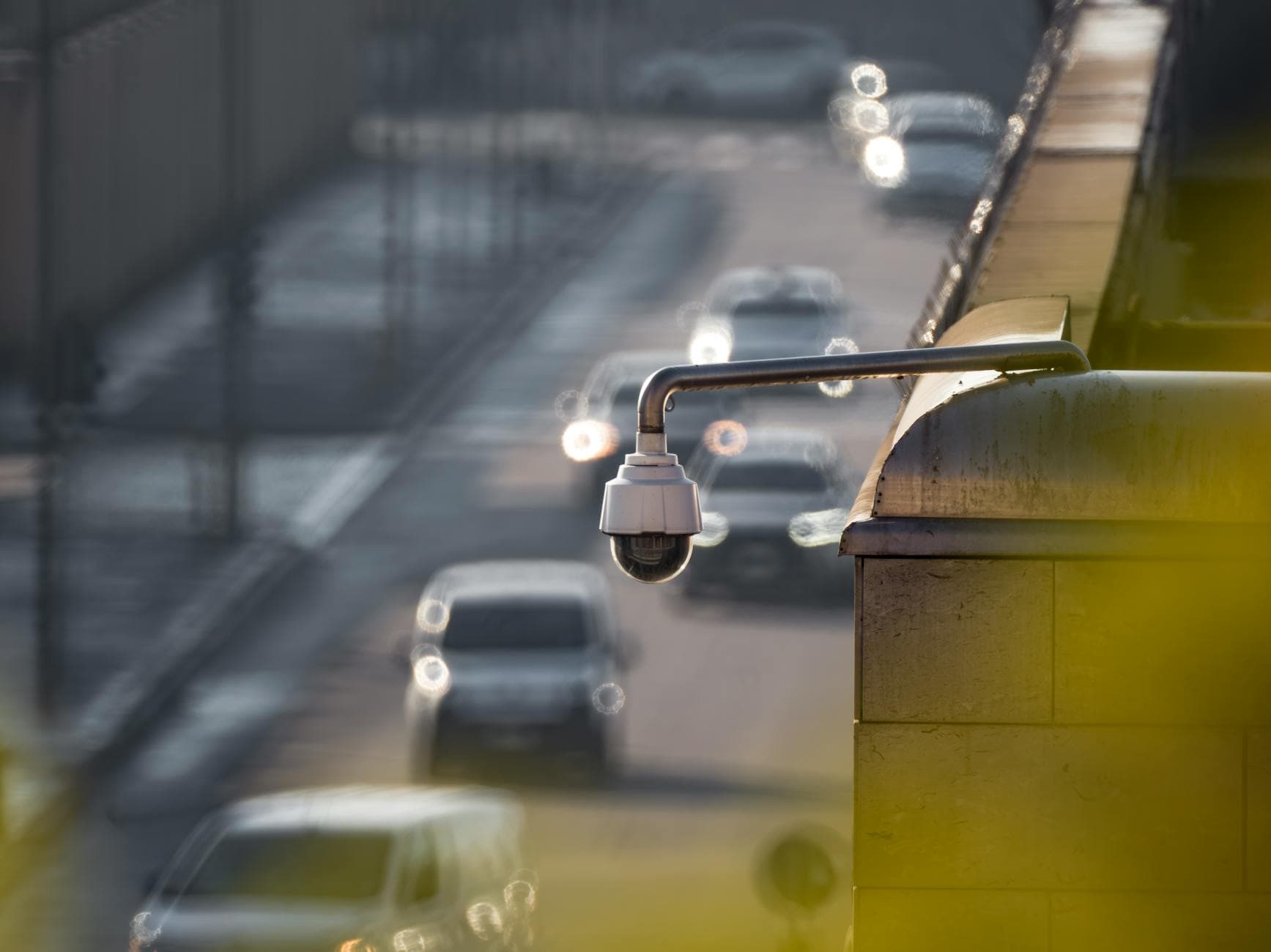
ANPR Camera Accuracy in UK Car Parks: When the Technology Gets It Wrong
You park up, grab your shopping, and head home — convinced you've done everything right. Then a parking charge notice drops through your letterbox claiming you overstayed by 47 minutes. The problem? You were back at your car within the hour. Sound familiar?
ANPR (Automatic Number Plate Recognition) cameras are now the backbone of private parking enforcement across the UK. They're used in everything from retail parks and hospital car parks to supermarkets and leisure centres. Operators love them because they're cheap to run and generate enormous volumes of PCNs with minimal human oversight. But here's the thing: they make mistakes — more often than you might think.
Understanding where these systems fail, and how to use that knowledge in an appeal, could be the difference between paying an unjust charge or getting it cancelled entirely.
How ANPR Parking Systems Actually Work
When you enter a monitored car park, a camera reads your vehicle registration mark (VRM) and logs a timestamp. A second camera does the same when you exit. The system calculates the difference and, if it exceeds the permitted stay, automatically triggers a PCN.
Simple in theory. In practice, there are multiple points where this chain can break down — and each one is a potential ground for appeal.
The Most Common ANPR Errors
1. VRM Misreads
ANPR cameras struggle with certain number plates more than you'd expect. Dirty, damaged, or non-standard plates are obvious culprits — but even clean, standard plates can be misread in poor lighting, heavy rain, or at awkward angles.
Common misreads include:
- "0" read as "O" (or vice versa)
- "1" confused with "I"
- "8" misidentified as "B"
- Partial plate reads where one character is missed entirely
The result? Your exit timestamp gets attributed to a different vehicle, leaving your own record showing an entry with no corresponding exit — which the system flags as an indefinite overstay.
Pro tip: If your PCN references a VRM that's even slightly different from yours, that's significant. Request the camera images under a Subject Access Request (SAR) — more on that below.
2. Time-Synchronisation Failures
This is one of the most underappreciated failure points in ANPR systems. Every camera in a car park network needs to have its internal clock synchronised accurately. If one camera's clock drifts — even by a few minutes — the calculated stay duration becomes unreliable.
Under the British Parking Association (BPA) Code of Practice and the International Parking Community (IPC) Code of Practice, operators are required to maintain accurate timekeeping on their equipment. Both codes specify that cameras must be regularly calibrated and that records of that calibration must be kept.
If an operator cannot produce evidence that their cameras were correctly synchronised on the day in question, that's a legitimate challenge to the validity of the PCN.
3. Entry/Exit Timestamp Disputes
Sometimes the camera simply captures the wrong moment. A vehicle queuing at the entrance barrier, waiting for a space near the exit, or briefly pausing near a camera can all generate spurious timestamps.
In busy car parks — think Christmas Eve at a retail park — entry queues can mean your vehicle is captured on camera several minutes before you've actually found a space and started your permitted stay. That wasted time still counts against your allowance under a poorly configured system.
4. Grace Period Violations
Both the BPA and IPC Codes of Practice require operators to observe a minimum 10-minute grace period at the end of a parking session. This means the system shouldn't issue a PCN unless you've exceeded your permitted stay by more than 10 minutes.
There's also an observation period requirement at the start — typically around 10 minutes — before enforcement can begin.
If your PCN shows you overstayed by fewer than 10 minutes, it should be cancelled outright. This isn't a grey area; it's a clear code requirement.
What the Rules Actually Say
Both major accreditation bodies set standards for ANPR use in private car parks:
BPA Code of Practice requires that:
- ANPR equipment is regularly maintained and tested
- Camera timestamps are accurate and synchronised
- Operators retain image evidence for the duration of any appeal
- Grace periods are properly applied
IPC Code of Practice mirrors many of these requirements and adds that operators must be able to demonstrate the reliability of their ANPR data when challenged.
Critically, if an operator is a member of either body, they're bound by these standards. Failure to comply is a valid ground of appeal — both at the operator level and at independent appeal stages like POPLA (for BPA members) or the IAS (for IPC members).
Using Data Protection Law to Your Advantage
Here's a powerful tool many drivers don't know about: under UK GDPR and the Data Protection Act 2018, you have the right to request all personal data an operator holds about you — including the ANPR images themselves.
Submit a Subject Access Request (SAR) to the parking company. They must respond within one calendar month. Ask specifically for:
- All ANPR images associated with your vehicle's visit
- The entry and exit timestamps recorded
- Evidence of camera calibration and time synchronisation on that date
- The VRM as read by the system
The Information Commissioner's Office (ICO) has confirmed that ANPR data constitutes personal data where it can be linked to an identifiable individual. If the operator fails to provide this data, you can complain to the ICO — and that failure to comply will also strengthen your appeal case considerably.
Building Your Appeal: Evidence That Works
When challenging an ANPR-based PCN, don't just write a letter saying "I wasn't there that long." Build a proper evidence file:
- Receipts and payment records — shop receipts, parking payment confirmations, café receipts with timestamps
- Bank or card transaction records — these are timestamped and difficult to dispute
- Dashcam footage — if your dashcam captures entry and exit times, that's compelling evidence
- Witness statements — if someone was with you, a signed, dated statement helps
- Photos of the car park — especially if signage is unclear or cameras are poorly positioned
- Your SAR response — use the operator's own data against them if timestamps look inconsistent
What to Do If You Receive an ANPR PCN
Here's a clear action plan:
- Don't ignore it. Unpaid PCNs escalate quickly, and private parking firms can pursue debt through the courts.
- Check the timestamps. Does the alleged overstay actually make sense given your visit?
- Check the VRM. Is it exactly your registration, or has a character been misread?
- Submit a SAR immediately. Don't wait — you want the images before they're deleted.
- Appeal informally first. Write to the operator within 28 days (BPA) or as directed. Keep it factual and attach your evidence.
- Escalate to POPLA or IAS if the informal appeal fails. These are free, independent services and operators must accept their decisions.
- Reference the relevant Code of Practice. Citing specific provisions carries weight.
Pro tip: When appealing to POPLA, request a Witness Statement from the operator. They must then produce their evidence — including calibration records. Many operators simply don't bother, and POPLA will find in your favour.
The Bottom Line
ANPR cameras are not infallible. They misread plates, drift out of sync, and generate timestamps that don't accurately reflect when your parking session actually began or ended. The operators who rely on them know this — but they're counting on you not knowing it.
The rules are on your side if you use them correctly. Request your data, gather your evidence, and don't be intimidated by official-looking letters. A well-evidenced appeal — particularly one that challenges the technical reliability of the ANPR data itself — has a strong chance of success, whether at the operator stage or through an independent appeals service.
The technology might be automated, but your right to challenge it is very much human.
Written by
Marcus Campbell
Former Traffic Warden
Ready to Challenge Your Ticket?
Let our AI analyse your PCN and generate a professional appeal letter in minutes.
Start Free Appeal