
UK EV Sales Targets Set to Ease: What Drivers Need to Know
Ministers are expected to ease UK EV sales targets, while the 2030 petrol and diesel new-car ban remains. See what the proposed changes could mean for drivers.

The Parking Ticket Pal Editorial Team
19 November 202610 min read
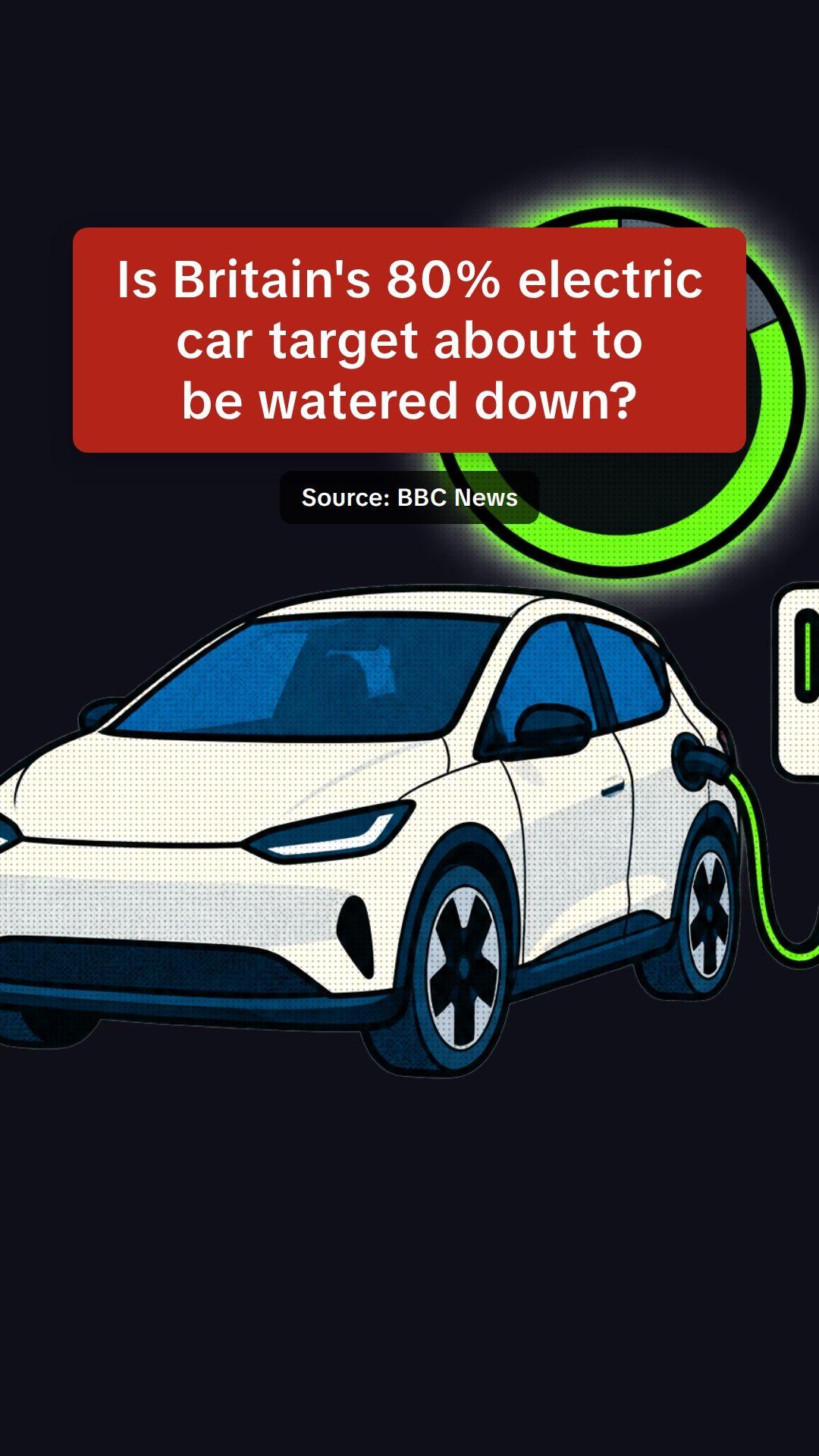
Government's EV Targets Expected to Be Cut: What Changes for Drivers, and What Doesn't
If you've been half-listening to the electric car debate for years, this week's headlines may have left you more confused than ever. Is the petrol car ban back on? Off? Delayed? Will your next car have to be electric?
The short answer is that very little changes for you directly. But the detail behind the story matters, because it affects what's on forecourts, what your next car might cost, and how councils and charging operators treat the vehicles you drive. Here's what the BBC reported, what sits behind it, and what to do with the information.
What the BBC reported
According to BBC News, the government was expected to reduce the requirement for electric vehicles to make up 80% of new-car sales by 2030. The same report says the wider timetable is unchanged: new petrol and diesel cars remain scheduled to be phased out by 2030, with all new cars required to be zero-emission by 2035.
So the headline is about the trajectory, not the end date. The 2030 and 2035 markers stay in place, but the route towards them looks set to be eased. The report described the move as expected rather than confirmed, so final details may differ from what was trailed. It's worth checking GOV.UK for the published position rather than relying on early coverage.
First, what is the target?
Many drivers assume the "80% by 2030" figure is a rule aimed at them. It isn't. It sits within the Zero Emission Vehicle (ZEV) mandate, which is a rule for manufacturers, not buyers.
In broad terms, the mandate sets a rising share of each carmaker's UK new-car sales that must be zero-emission each year. It began in 2024, with the required share stepping up annually towards 80% in 2030. Firms that fall short face financial penalties, although they have some flexibility, such as banking and borrowing credits and trading with other manufacturers. The government has already tweaked these flexibilities once, so this week's expected change would be a further adjustment rather than a brand-new policy.
The legislation underpinning this is the Vehicle Emissions Trading Schemes Order 2023. Nothing in it tells a private motorist what they may buy or drive. It shapes what is supplied.
Why the government is under pressure to ease off
The BBC report is brief, so I won't pretend to know the government's reasoning beyond what it says. But the wider debate is well known:
- Carmakers have lobbied for more flexibility, arguing the pace is hard to meet when demand has to be coaxed along with discounts.
- Affordability remains a sticking point. Even with falling prices on some models, many buyers still see EVs as costlier upfront.
- Charging confidence is uneven. Drivers without driveways, such as many terraced-street residents in London and other cities, still face real practical barriers.
- Tax uncertainty hangs over the sector, with the ending of EV exemptions from vehicle tax and discussions around mileage-based charging.
An important point: when a mandate is a manufacturer obligation, a tough target can push prices and discounts in a particular direction, and an easier one can relax that pressure. It's a lever on supply and pricing, not a switch on your driving licence.
What it doesn't mean
Let's clear up some common misunderstandings.
You won't be forced to scrap your petrol or diesel car. Nothing in the policy bans driving, owning or selling existing combustion-engine vehicles. The phase-out applies to the sale of new cars.
The used market carries on. Second-hand petrol and diesel cars will remain legal to buy and sell well beyond 2030. Your usual consumer rights under the Consumer Rights Act 2015 apply when buying from a dealer, whatever the fuel type.
Hybrids haven't vanished. The 2030 date is generally understood to allow certain hybrids to continue until 2035, as per government changes in 2025. The BBC's phrasing, that new petrol and diesel cars are to be phased out by 2030, glosses over some of the nuance, so check exactly how a given model is classified before assuming it falls on one side or the other.
The legal angle: where rules actually touch drivers
The mandate itself doesn't regulate you, but a lot of the infrastructure around electric driving does. These are the areas where drivers actually come into contact with the law.
Public charge point rules
Public charge points in England, Scotland and Wales are subject to the Public Charge Point Regulations 2023, which cover things like contactless payment on newer rapid chargers, pricing displayed per kWh, and reliability standards for rapid points. If a charger doesn't work as it should, you may have grounds to complain to the operator and, if necessary, escalate through official channels. Government guidance on the regulations is on GOV.UK.
Charging bays and parking charges
This is where a lot of drivers fall foul. EV bays are governed by either council traffic orders or private landlords' contract terms, and the rules differ. Typical traps include:
- Staying in the bay after charging has finished.
- Parking a petrol or hybrid car in an EV-only bay.
- Plugging in without starting a charging session properly, or paying for parking separately from charging.
If you receive a charge in a bay, your appeal options depend entirely on whether it's a council penalty charge notice (statutory process, independent adjudicators) or a private parking charge (a contractual claim, appealed to the operator and then an independent appeals service if the operator is in a trade body). Read the signage and photograph it. Our guide to EV charging parking fines and why drivers get shock PCNs explains how this tends to go wrong.
Home charging and the pavement problem
If you don't have a driveway, running a cable across a public footway raises safety and liability questions, and councils take different approaches. Some are trialling solutions such as gully channels. Don't improvise something that could trip pedestrians. Check what your local authority allows, and see our piece on on-street EV charging and gullies.
Low emission and congestion zones
Whether a vehicle is charged or fined in a clean air zone depends on emissions standards, not the ZEV mandate. EV discounts in zones such as the London Congestion Charge have been changing, so check the current local rules. See London Congestion Charge EV rules for details.
What this means for your next car purchase
Here's where a softer mandate might actually reach your wallet. I can't predict prices, and nobody honestly can. But some reasoned thinking helps.
If you're considering an EV: Don't assume that a slower mandate means bargains will vanish tomorrow, or that they'll get better. Prices depend on competition, incentives and energy costs, as well as policy. Look at the whole cost, including insurance, home-charging tariffs, depreciation, and any grant for which the car qualifies. Our guide to the Electric Car Grant lists the eligibility rules.
If you're sticking with petrol or diesel: A relaxed target may mean continued availability of combustion and hybrid models for longer, but 2030 is still the stated phase-out date for new cars. If you're buying a new petrol or diesel car now and plan to keep it for a decade or more, think about future running costs, local zone charges and resale value. These are judgement calls, not certainties.
If you're considering a hybrid: Check whether it's a plug-in or a full hybrid, and how that is classified under the rules. Tax treatment has also been shifting, so verify details with the DVLA and GOV.UK before purchase.
If you're buying used: Battery health is the key variable for a used EV. Ask for a battery state-of-health report, and check warranty transfer terms in writing.
Practical takeaways
- Don't act on headlines alone. The reported change was expected, not necessarily final. Wait for the formal announcement on GOV.UK.
- Remember the mandate targets manufacturers. Your existing car stays legal to drive and sell.
- Check parking rules when charging. Photograph the signs, note your start and end times, and keep payment confirmation. Most EV-related parking disputes come down to evidence.
- Know which regime you're under. A council PCN and a private parking charge follow different appeal routes, so identify which you have before responding.
- Compare full costs. Include charging, tax, insurance and depreciation, not just the sticker price.
- Ask for written statements. Dealers can overstate "future-proofing". Get promises about batteries, range or tax treatment in writing.
Looking ahead
If the reported easing goes ahead, it will probably be read as a signal that the government is trying to balance climate commitments with the realities of the car market. The remaining uncertainty is what comes next. Carmakers are already lobbying over the 2035 end date and the treatment of hybrids, and the tax regime for electric vehicles is still evolving. Our earlier coverage of how carmakers are urging a rethink of 2035 shows how long this argument has been running.
For drivers, the useful mindset is this: policy will keep shifting, but your rights and obligations as a motorist rest on rules that change much more slowly. Learn the parking and charging rules where you actually drive, keep good records, and base big purchasing decisions on your own mileage, budget and charging access rather than on any single week's news.
This article is general information about UK motoring and parking rules, not legal advice. For decisions affecting your own circumstances, check the official guidance on GOV.UK or seek advice from a qualified professional.
Written by
The Parking Ticket Pal Editorial Team
Source-checked parking guidance