
Private Parking Crackdown Call After Nurse’s £266 Charge
A Dudley MP backs Andy Burnham’s call for tougher private parking rules after a nurse’s medical appointment overrun led to an escalated £266 charge.

The Parking Ticket Pal Editorial Team
21 October 2026
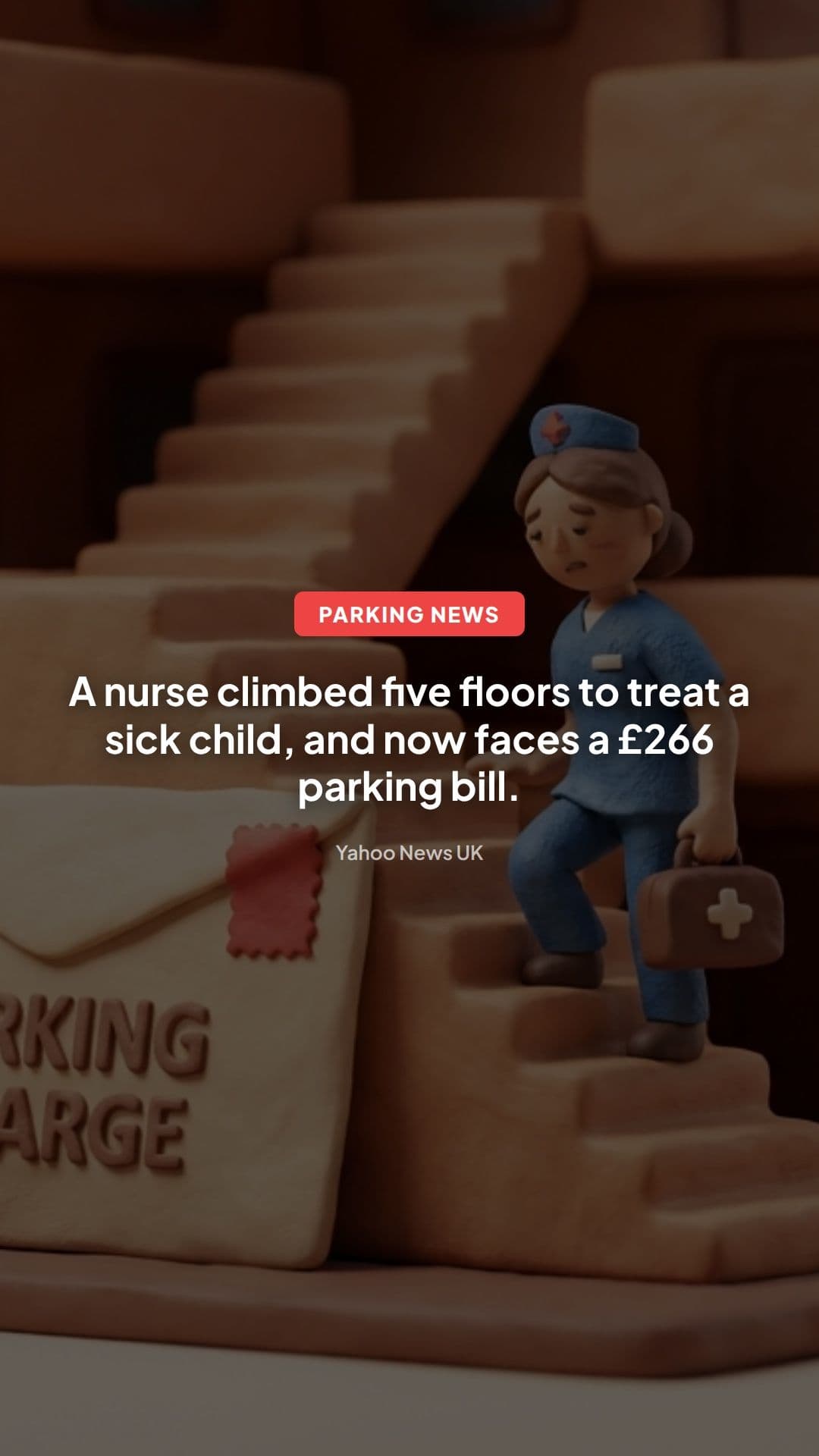
A Nurse, a Medical Appointment and a £266 Parking Bill: Why the Pressure for Reform Is Growing
Few things feel more unfair than being penalised for running late because of a medical appointment. Now imagine that you work in the NHS yourself, and the parking charge keeps growing the longer it goes unpaid.
That is the situation behind a recent story, reported by Yahoo News UK, in which a Dudley MP says a crackdown on private parking enforcement is "needed". Here is what the case tells us, how a charge reaches £266, and what drivers can do.
What happened
According to the report, a nurse received a parking charge after a medical visit ran over the time allowed. The charge then escalated to £266. The case is being used to argue for stronger protection against unfair private parking enforcement, with the Dudley MP calling for a tougher approach. The headline links that call to an Andy Burnham-led government, so the story is partly about the politics of reform.
I only have the published summary, so I won't speculate about the site, the operator or the exact timeline. What the case shows is a pattern that many drivers will recognise. A short overstay, often for reasons outside the driver's control, leads to a charge that grows with each stage of the process.
How a parking charge reaches £266
A figure like £266 rarely comes from a single parking mistake. In private parking cases, the sum usually climbs in stages:
- The original charge. This is typically set by the operator, often around £60 to £100, sometimes with a reduced amount for prompt payment.
- Reminder letters. The amount may go up if the discounted period passes.
- Debt recovery add-ons. Collection agencies or solicitors' letters often add their own fees on top.
- Court threats or claims. If a claim is issued, court fees and further costs can be added.
Whether each of those extras is legitimate is exactly what critics argue about. The government has previously consulted on and signalled plans to cap and standardise private parking charges and to limit how much firms can add. Our explainer on the new private parking rules, including the £100 cap and 10 minute grace period covers the proposals in detail. Anyone reading this should check the current status of any reforms, as timing has shifted more than once.
Why this keeps happening
The system is fragmented
Council parking enforcement (on-street, or in council car parks) is regulated by the Traffic Management Act 2004, with independent adjudication through London Tribunals or the Traffic Penalty Tribunal. Private parking is different. Operators are policing contract terms on private land, and the rules come from a mix of legislation, industry codes and court decisions.
Most operators belong to one of two trade bodies, the British Parking Association (BPA) or the International Parking Community (IPC). Each runs its own code of practice and its own appeals service. If you want to understand the difference, see BPA vs IPC membership: what UK drivers need to know.
A statutory code has been promised for years
The Parking (Code of Practice) Act 2019 was meant to bring in a single government-approved code and a single independent appeals service. Implementation has been repeatedly delayed. That gap is why campaigners and MPs keep reaching for individual cases like this one to make the argument for action.
Hospital and healthcare sites are a flashpoint
Healthcare sites are an especially sensitive setting, because the people using them are often anxious, unwell or running to the clock. Appointments overrun, queues build and clinics are delayed through no fault of the patient. Our piece on NHS parking charges and what drivers need to know looks at this wider issue. Many NHS sites in England operate concessions for certain groups, but they vary by trust and are not always well publicised.
The legal angle
This is general information, not legal advice. If a significant sum is at stake, consider speaking to a regulated adviser or a consumer advice charity such as Citizens Advice.
Private charges are contract or trespass claims, not fines
A private parking charge is not a fine. It is the operator's claim that you breached the terms displayed on the site, or in some cases that you trespassed. The signs form the offer, and parking is treated as accepting the terms.
Parking Eye v Beavis
The key precedent is ParkingEye Ltd v Beavis [2015] UKSC 67. The Supreme Court upheld a £85 charge at a retail car park, finding it was not an unenforceable penalty because the operator had a legitimate interest in managing the car park and the charge was not extravagant. Operators lean on this case heavily, but it was decided on its own facts, including very clear signage. It does not mean every charge is automatically enforceable. Unclear signs, inconsistent terms or an excessive amount can still undermine a claim.
Keeper liability
Under Schedule 4 of the Protection of Freedoms Act 2012, operators can pursue the registered keeper if the driver's identity is unknown, provided they follow strict notice requirements and timing. Those rules matter in appeals because procedural mistakes by the operator can be a valid ground of challenge.
Debt recovery add-ons
Whether extra "recovery" fees can lawfully be added to a private parking charge has been contested in the courts, and the position has been criticised by consumer groups. The government's reform proposals have targeted this area. If your balance includes unexplained additions, it is reasonable to ask for a clear breakdown and the contractual basis for each item.
Time limits
In England and Wales, a contractual claim generally has a six year limitation period under the Limitation Act 1980, and Scotland has its own rules. That does not mean you should ignore letters, but it is useful context, particularly if an old charge resurfaces.
What drivers should know
Respond early, and keep it factual
Charges often escalate because of silence, not because the original issue was serious. If you receive a notice, read it carefully. The deadlines are usually short for the discounted payment and for appealing, though the keeper rules give some structure you can check.
Appeal on the right grounds
Strong appeals tend to focus on specific points rather than general unfairness. Examples include:
- Mitigating circumstances. A medical emergency, appointment overrun or hospital delay can be evidence in support of an appeal, though operators are not always obliged to accept it.
- Signage. Were the terms, the charge and the time limit clearly visible and legible at the point of entry and parking? See our guide to using unclear parking signs as a defence.
- Procedural errors. Late or incorrect notices, wrong details or misapplied keeper liability can all be grounds.
- Evidence. Appointment letters, hospital timestamps, photos of signs and receipts can make a difference.
For a starting point on how to word this, see how to craft an effective informal appeal.
Know what the independent appeal is
If the operator rejects your first appeal, you may be offered an independent appeal through POPLA (for BPA members) or the IAS (for IPC members). POPLA is free to use. Our guide to mastering the POPLA appeals process explains the steps. Note that the two services work differently and have different reputations, so check which applies to your case.
Don't be rushed by escalating letters
Debt recovery letters are designed to prompt a response. They can look official, but they do not carry the force of a court order. If a claim form arrives, however, it must be taken seriously, and there are strict deadlines to respond. That is the stage where free advice from a charity or a solicitor is most valuable.
Ask about concessions in advance
If you are attending an NHS site, check the hospital or trust website for concessions, such as those for regular outpatients or blue badge holders. If the site is run by a private operator, ask reception how to register a vehicle for a longer stay. A few minutes beforehand can save a lot of stress.
Keep your own evidence
If an appointment is likely to overrun, take a photo of the signs, keep your parking receipt and ask the clinic for a note confirming the delay. It feels over-cautious until the day it's needed.
Looking ahead
The nurse's case is not unique, and that is the political point. Calls for reform tend to gain traction when they involve a sympathetic figure and a charge that looks out of proportion to the original mistake. The main questions now are:
- Will a single statutory code finally arrive? It would set consistent rules on charge levels, grace periods and signage.
- Will debt recovery add-ons be restricted? This is where the gap between an original charge and a final demand is widest.
- Will there be a single independent appeals service? This would end the split between POPLA and IAS, and the arguments about independence that come with it.
- Will healthcare sites get specific protections? Many people argue that patients and NHS staff deserve clearer safeguards, though what shape those might take is still being debated.
Whatever the political picture, drivers should assume change will be gradual. In the meantime, the practical advice holds. Read the signs, keep your evidence, respond early and appeal on solid grounds. If you ever find a small overstay turning into a four-figure headache, remember that the process is designed to be navigable, and the sooner you engage with it, the better your options tend to be.
This article is general information about UK parking and motoring rules and is not legal advice. For specific problems, consult official guidance or a qualified adviser.
Written by
The Parking Ticket Pal Editorial Team
Source-checked parking guidance
Ready to Challenge Your Ticket?
Let our AI analyse your PCN and generate a professional appeal letter in minutes.
Start Free Appeal