
PCN code 73: parked without payment in a car park
Code 73 means parked in a council car park without paying. What 73u and 73g mean, what to do if the machine or app failed, and the deadlines to challenge.

The Parking Ticket Pal Editorial Team
18 November 20267 min read
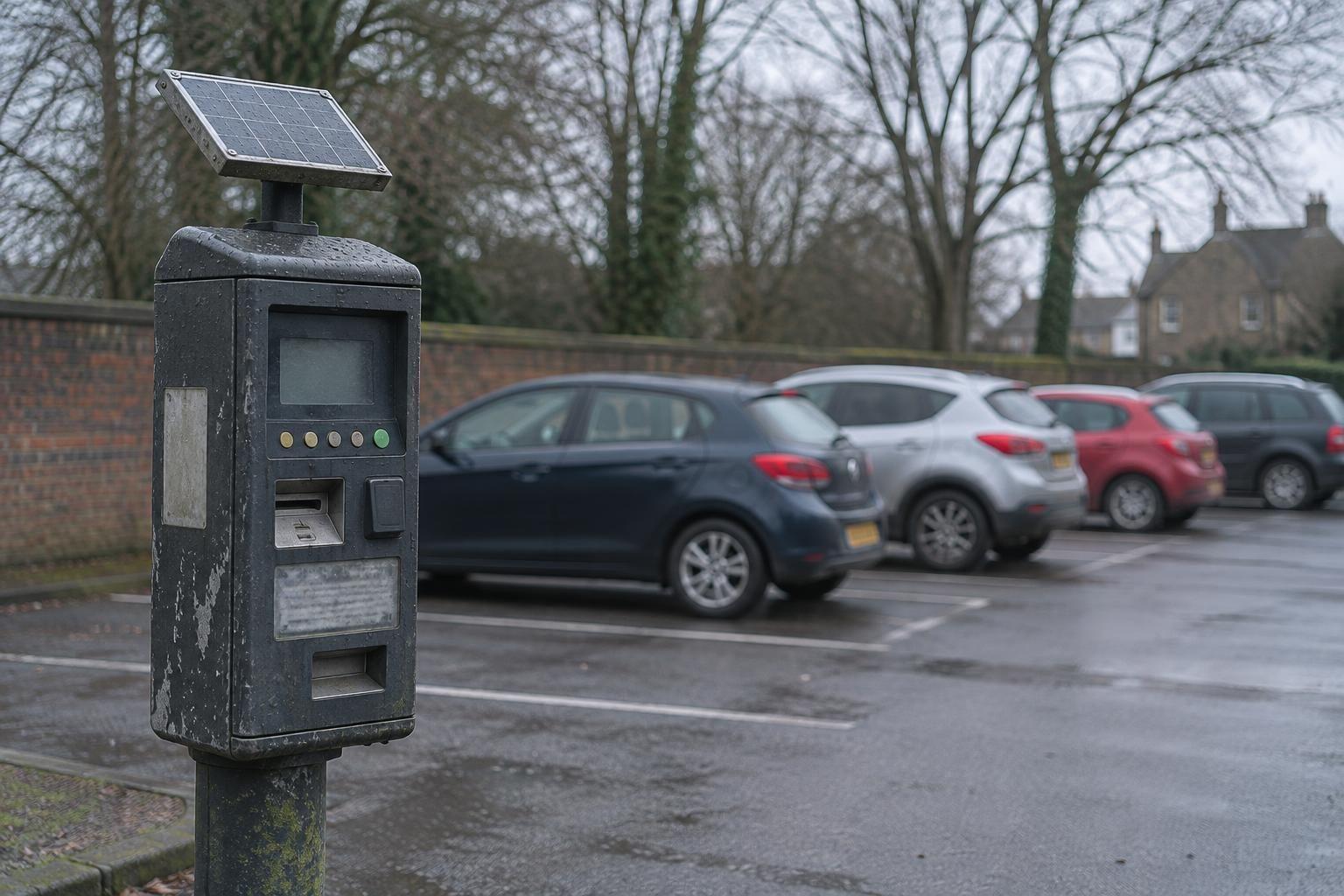
Code 73 is issued in council car parks when the officer can find no payment for your vehicle. It is the off-street version of code 11, which has the same wording for bays on the road.
The wording on the standard list is "Parked without payment of the parking charge", with the note "Off-street car parks".
This guide covers what the code means, the situations that lead to it, the grounds you can use, and the deadlines. It is about penalty charge notices (PCNs) from councils in England and Wales, and says where London differs.
What code 73 means
The council is saying your vehicle was in one of its car parks at a time when a charge applied and nothing had been paid for it.
It sits beside two similar off-street codes:
- Code 73: no payment at all.
- Code 82: you paid, but stayed after the paid time ran out.
- Code 83: no valid pay and display ticket was clearly displayed.
Which code is on your PCN matters. If you did pay and the session had simply ended, or you had a paper ticket that was not visible, the council has described a different contravention from the one on the list for those facts.
Code 73 is a lower level contravention, so it carries the smaller of the two parking penalties your council uses.
The letter after the code
- 73u: electronic payment. The officer checked for a phone or app payment and found none.
- 73g: motorcycle bay.
Is it a council ticket?
Contravention codes appear on council penalty charge notices. If your ticket is from a private parking company, it is a different kind of notice with a different appeals route: GOV.UK points to POPLA or the Independent Appeals Service, depending on the operator's trade body. Nothing below applies to those.
Common situations
- You paid by phone or app but entered the wrong registration, or picked the wrong car park or location number.
- The app or phone line failed, or you had no signal, and you left the car meaning to try again.
- The pay machine was out of order.
- You hold a Blue Badge and assumed parking was free.
On the last point, the government's Blue Badge guidance is blunt: the badge "is intended for on-street parking only", and in car parks "Do not assume you can always park for free." Check the tariff board.
Grounds people use to challenge code 73
A tribunal can only cancel a PCN on set legal grounds. For code 73, the useful ones are these.
The contravention did not occur.
- You did pay. The Traffic Penalty Tribunal lists "a valid pay-and-display ticket or permit was displayed" as an example of this ground. Send the ticket, the app receipt, or the bank or card entry showing the amount, time and location.
- The vehicle was entitled to park. This is another of the tribunal's examples. It fits where no charge applied at that time, or where you held a permit or season ticket that covered the car park.
- The signs were wrong. If the tariff board was missing, unreadable or did not show that a charge applied when you parked, photograph it.
The machine was out of order. Government guidance to councils in England says that where a pay and display machine is out of order, "motorists should not be issued with a PCN unless alternative means of payment were available". So two things matter: proof that the machine was not working, and whether there was another working machine or a phone or app option you could have used.
The penalty exceeded the amount applicable. Code 73 is a lower level contravention. If the PCN demands the higher level amount, that is this ground.
Procedural impropriety. For example, the PCN or another document did not give required information, or the council did not reply to your challenge in time.
The remaining grounds are the standard ones: you did not own the vehicle at the time, it was taken without your consent, you are a hire firm and the hirer signed for liability, or the traffic order is invalid.
Typed the wrong registration? That is not one of the legal grounds, because no payment was recorded against your vehicle. It is still worth raising with proof of what you paid. Councils are told to consider mitigating circumstances and have the power to cancel a PCN at any point. At the tribunal outside London, an adjudicator can recommend cancellation for compelling reasons, but the council does not have to agree.
What about the 10 minute grace period? The regulations stop councils issuing a penalty when you overstay a permitted parking period by 10 minutes or less, in council car parks as well as on the street. A permitted period means time you paid for, or time when no charge was due. It is written for overstays, so do not rely on it if you never paid.
Evidence to gather
- The app or phone payment receipt, and a screenshot of the session showing registration, location and times.
- The bank or card statement line for the payment.
- Photos of the machine showing the fault or "out of order" message, and of any other machines in the car park.
- Photos of the tariff board and signs, including the pay by phone location number.
- A screenshot of an app error, or of your call log if the phone line failed.
- The council's own photos, which you can usually see online with the PCN number.
The stages and deadlines
1. The PCN. You have 28 days to pay, and the penalty is halved if you pay within 14 days.
2. Informal challenge. Write to the council using the details on the PCN. If you challenge within 14 days and it is rejected, the council will usually still take the half rate. Citizens Advice says not to pay a ticket you are challenging, because paying is usually treated as accepting it.
3. Notice to Owner. If the PCN stays unpaid, the registered keeper is sent a Notice to Owner. You have 28 days to pay in full or make formal representations, and the council has 56 days to decide.
4. Tribunal. A Notice of Rejection gives you 28 days to pay or appeal, to London Tribunals for a London PCN or the Traffic Penalty Tribunal for the rest of England and Wales. Appealing is free.
How much is it?
Amounts vary by council and band, so go by your PCN. As checked on 18 Nov 2026:
- London: lower level parking penalties are £110 in Band A areas and £90 in Band B areas, halved if paid within 14 days. These took effect on 7 April 2025.
- Outside London: the Traffic Penalty Tribunal describes parking PCNs as "up to £70", depending on the type of contravention.
If you ignore it
When the 28 days after a Notice to Owner or a Notice of Rejection pass, the council can issue a Charge Certificate, adding 50%, with 14 days to pay.
Next the council can register the debt at the Traffic Enforcement Centre and you receive an Order for Recovery. You have 21 days to pay or, on limited grounds such as not having received the Notice to Owner, send form TE13. If you are late you also need form TE14. If you do nothing, bailiffs can be sent.
Related guides
- PCN code 11: no payment in an on-street bay
- PCN code 82: paid time expired in a car park
- PCN code 83: ticket not displayed in a car park
Parking Ticket Pal tracks every deadline on a ticket and reminds you before each one, so the 14 day discount and the 28 day windows do not slip past while you look for a receipt.
This is general information, not legal advice.
Written by
The Parking Ticket Pal Editorial Team
Source-checked parking guidance