PCN Code 83: Ticket Not Displayed in Off‑Street Bays
Got a PCN code 83 in a council car park? Learn what “parked without clear display” means, key evidence to gather, and appeal points that can win.

Tariq Khan
14 May 2026
PCN Code 83: What "Parked Without Clear Display" Really Means — and How to Fight Back
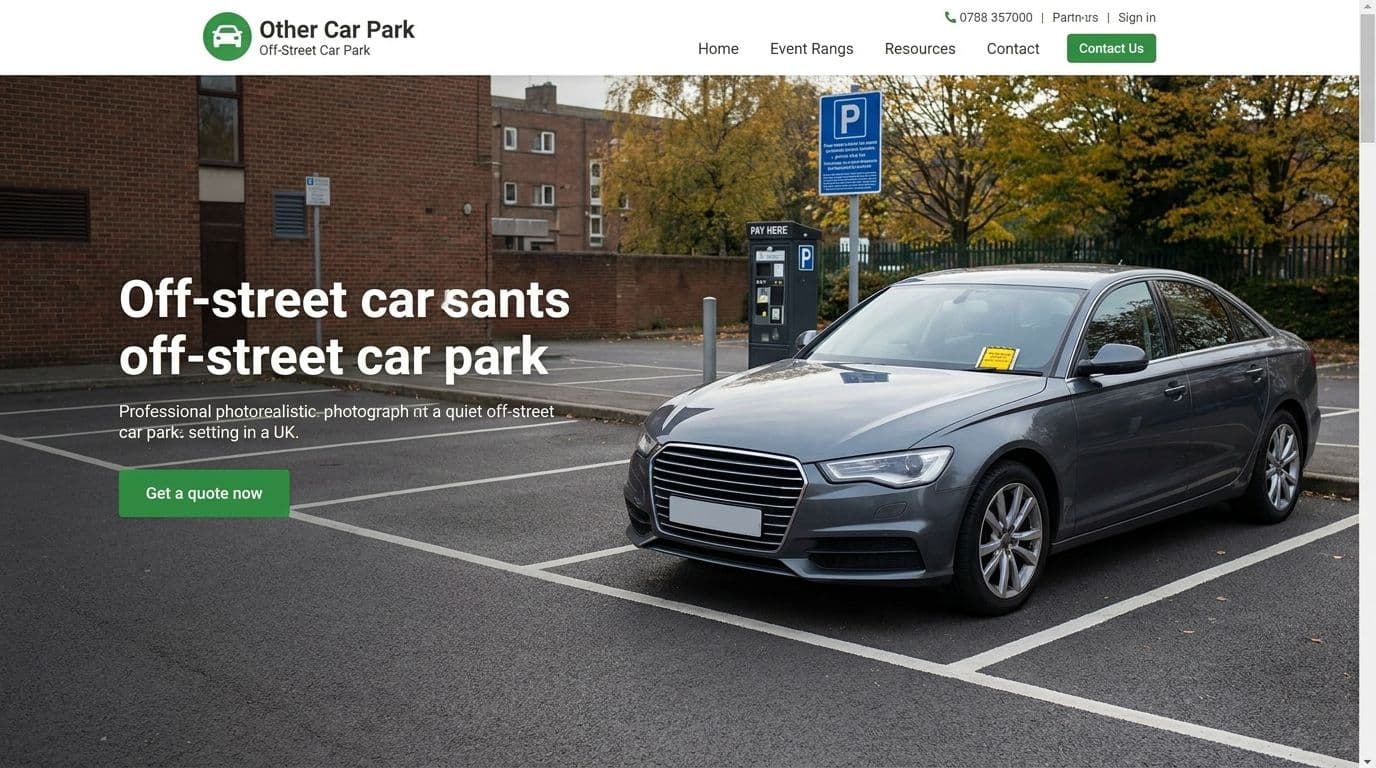
You pull into a council car park, buy your ticket, stick it on the dashboard, and head off to do your shopping. Job done, right? Then you come back to find a bright yellow penalty charge notice tucked under your wiper. PCN code 83. "Parked without clearly displaying a valid pay and display ticket or voucher."
But you did pay. You have a ticket. So what on earth is going on?
This is one of the most frustrating parking penalties you can receive — because unlike genuinely not paying, code 83 is often issued when a driver has done everything right but something minor went wrong with the display of their ticket. The good news? That distinction matters enormously when it comes to appealing. Let's break it all down.
What Is PCN Code 83?
PCN code 83 is an off-street contravention — meaning it applies in council-operated car parks, not on public roads. It's issued under the Traffic Management Act 2004, which gives local authorities in England and Wales the power to enforce civil parking contraventions without involving the police.
The exact wording is: "Parked without clearly displaying a valid pay and display ticket or voucher or parking clock."
The critical word here is "clearly." The contravention isn't simply about whether you paid — it's about whether the Civil Enforcement Officer (CEO) could see that you paid. That creates a meaningful grey area, and it's exactly where successful appeals are won.
Common Reasons a Code 83 Gets Issued
Here's where it gets interesting. There are several scenarios where a driver has genuinely paid but still ends up with a PCN:
- The ticket flipped face-down — sunshine, a breeze from an open window, or simply the slippery dashboard means the ticket curls and lands face-down. The CEO sees a blank white rectangle and issues the notice.
- The ticket slid off the dashboard — particularly common in warm weather when dashboards get slick, or if someone slammed a door too hard. The ticket ends up in the footwell.
- The ticket was placed the wrong way up — the expiry time is on the back, or the details are obscured by the positioning.
- The ticket was partially obscured — by a sat-nav mount, sunshade, or other items on the dash.
- A permit wasn't displayed at all — the driver forgot to put it in the windscreen after renewing it, or placed it in a bag instead.
- A paper permit became faded or damaged — making it unreadable to the CEO.
None of these situations necessarily mean the driver was trying to avoid paying. But from the CEO's point of view, if they can't read the ticket, they're obliged to issue the PCN.
What Evidence Does the CEO Gather?
This is crucial to understand before you appeal. When a CEO issues a code 83 PCN, they are required to take photographic evidence of the vehicle as it was found. That typically includes:
- A photo of the windscreen/dashboard area showing the absence of a visible ticket
- A photo of the vehicle in context (confirming it's in a pay and display bay)
- A timestamp confirming when the observation was made
When you request your evidence pack — which you are entitled to do as part of your challenge — you'll receive these images. Study them carefully. They can be your best friend or your biggest obstacle, depending on what they show.
Pro tip: Always request the full evidence pack before submitting your appeal. You may spot something the CEO missed, or you might see that the ticket is actually partially visible in the photograph — which is a strong basis for challenge.
The Discount Period: Don't Lose Money While You Think
Before we get into appeal strategy, a quick but important note on timing.
If you receive a PCN in a council car park, you typically have 28 days to pay at the discounted rate — usually 50% of the full penalty. For a Band B contravention (which code 83 often is), that might mean paying £25 instead of £50, or £35 instead of £70, depending on the council.
If you intend to challenge the PCN, submitting an informal representation within that 28-day window pauses the discount clock. You don't lose the right to pay at the lower rate if your challenge fails. So act quickly either way.
Grounds for Appeal: What Actually Works
1. You Have Proof of Payment
This is your strongest card. If you paid by PayByPhone, RingGo, or another cashless system, you'll have a digital record of your transaction — including the bay number, vehicle registration, start time, and end time. This directly contradicts the basis of the PCN.
Even if you used a physical machine, some councils now link machine payments to registration plates. Check whether the car park used ANPR-linked payment — if it did, the council's own records may show you paid.
2. The Ticket Was Present but Not Clearly Visible
If your ticket was in the car but had slipped or flipped, you can argue that:
- The ticket was valid and was in the vehicle
- The failure to display clearly was accidental, not deliberate
- The CEO's photographs may show the ticket partially visible
Some councils will accept this, particularly if the ticket's purchase time and your PCN time align — proving you had paid before the officer arrived.
3. The CEO's Photographs Are Inconclusive
Look closely at the images. Can you see the edge of a ticket? Is the dashboard partially obscured by glare? If the photographic evidence doesn't definitively show an absence of a ticket, that ambiguity can support your appeal.
4. Signage Was Unclear or Misleading
If the car park's pay and display signage was damaged, missing, or ambiguous about the requirement to display, that can form a separate ground of appeal. This is less common for code 83 specifically, but worth noting if the car park's instructions weren't clearly communicated.
5. The Ticket Was Valid but Unreadable Due to Fading
Some thermal-printed tickets fade rapidly in direct sunlight. If you can demonstrate the ticket was valid at the time of issue but became unreadable due to poor print quality — which is the machine's fault, not yours — that's a legitimate ground to raise.
How to Submit Your Informal Challenge
Your first step is the informal representation to the issuing council. This is made before a Notice to Owner is issued, and it's your best shot at getting the PCN cancelled without escalating further.
Here's what to include:
- Your PCN reference number and vehicle registration
- A clear statement of your grounds — keep it factual and concise
- Supporting evidence:
- Receipt or screenshot of cashless payment - Photo of your physical ticket (if you kept it) - Bank statement showing the transaction - Any photos you took at the scene
- A polite but firm tone — councils respond better to clear, evidence-led appeals than emotional ones
If the informal representation fails, you'll receive a Notice to Owner, at which point you can make a formal representation. If that's also rejected, you have the right to appeal to the Traffic Penalty Tribunal (in England outside London) or London Tribunals (in London) — an independent body that councils cannot influence.
Pro tip: Keep your physical ticket even after the parking session ends. Tuck it in your glovebox. It's your proof of payment and could be the difference between a cancelled PCN and a fine you didn't deserve.
A Real-World Scenario
Imagine you park in a council car park in Bristol on a warm July afternoon. You buy a two-hour ticket, place it on the dash, and head into town. While you're away, the dashboard heats up, the ticket curls, and by the time the CEO walks past, it's face-down showing nothing but white paper.
You return to find a PCN. You still have the ticket in your hand — you picked it up off the floor when you got back in. You photograph it immediately, note the issue time on the PCN, and compare it to the printed start time on your ticket. They're consistent. You paid before the officer arrived.
That's your appeal, right there. You submit the informal representation with the ticket photo, explain what happened, and in most cases — particularly with a council that reviews evidence fairly — the PCN is cancelled.
Your Action Plan
- Don't pay immediately — explore your grounds for appeal first
- Request the full evidence pack from the council
- Gather your own evidence — payment receipts, ticket photos, bank records
- Submit an informal representation within 28 days to preserve the discount rate
- Escalate to formal representation if the informal challenge fails
- Take it to the Traffic Penalty Tribunal if you have strong evidence and the council still refuses
PCN code 83 feels deeply unfair when you've actually paid — and often, it is. But the appeals process exists precisely for situations like this. Use it.
Written by
Tariq Khan
Bailiff Procedures Expert
Ready to Challenge Your Ticket?
Let our AI analyse your PCN and generate a professional appeal letter in minutes.
Start Free Appeal