
Nurse’s £266 Parking Charge Dropped: Your Rights Explained
A Birmingham nurse’s £266 private parking charge was dropped after she treated a seriously ill child. Learn how appeals, evidence and court threats work.

The Parking Ticket Pal Editorial Team
21 November 202611 min read
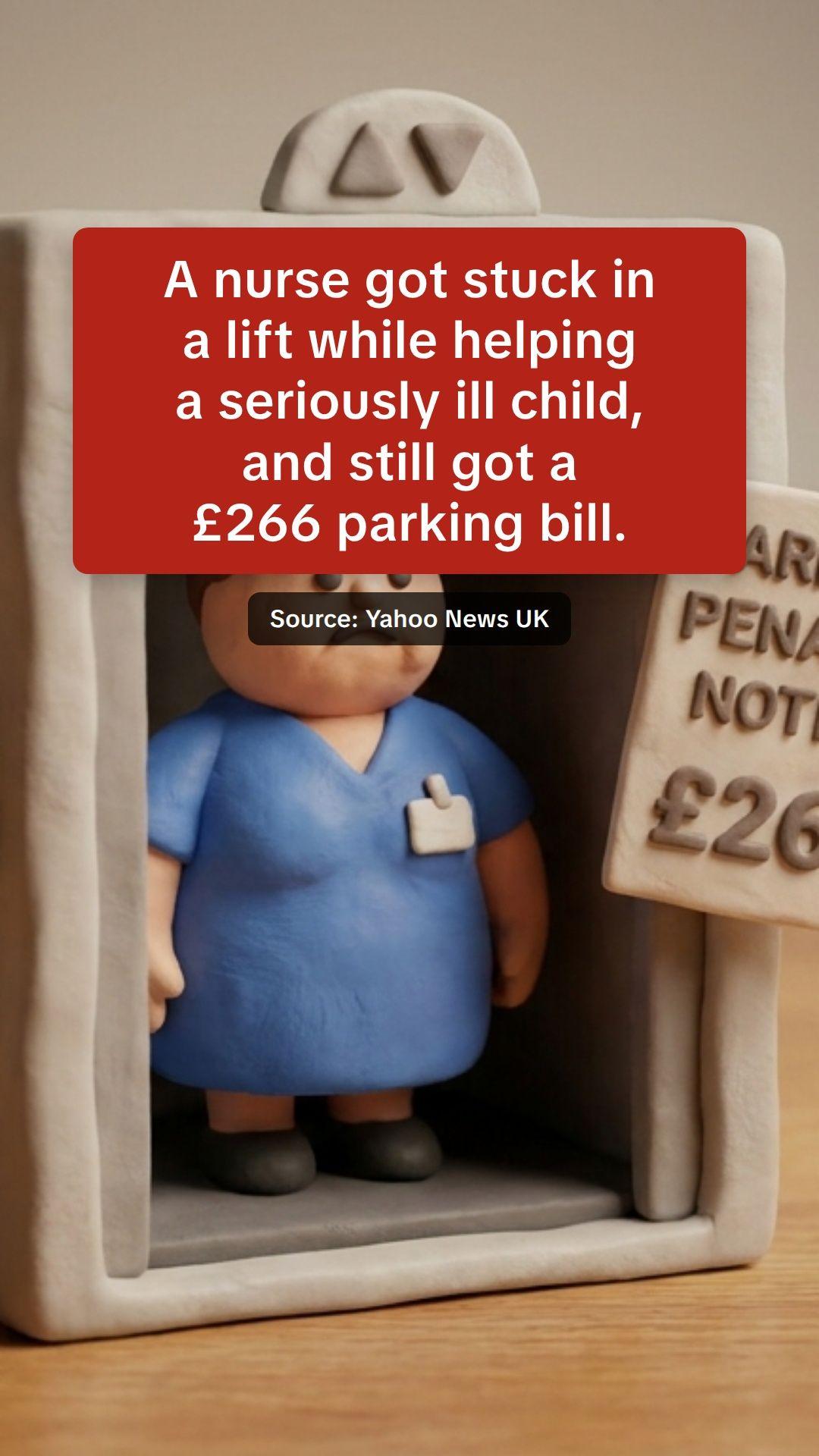
Anatomy of a £266 parking demand: why "common sense" shouldn't be optional
When a parking firm wants £266 from a community medic who was delayed treating a seriously ill child, most people's first reaction is disbelief. The second is usually a question: how does a parking charge get that big in the first place?
The case of Birmingham-based Lisa Smith, reported by Yahoo News UK, is a useful way into that question. It is not just a feel-good story about a charge being dropped. It shows how private parking enforcement works, where the pressure points are, and what drivers can do when real life collides with a time limit.
What happened
According to the report, Ms Smith, a community medic in Birmingham, was held up while treating a seriously ill child. That delay meant she overstayed at a site policed by Civil Enforcement Ltd. The company demanded £266 and threatened small-claims proceedings.
The case was later dropped. The headline quote, that "common sense should have prevailed", sums up the frustration. The charge was withdrawn, but only after the threat of court action had hung over someone whose job is caring for sick people.
I am working only from the published summary, so I will not speculate on specifics such as the exact length of the overstay or the site's terms. The wider mechanics are well established, though, and they explain why a short delay can become a four-figure-feeling problem so quickly.
Why it matters: how a parking charge reaches £266
Many drivers assume a parking charge is a fine. On private land it is not. A fine is imposed by a public body under statute, such as a council Penalty Charge Notice. A private parking charge is the operator's claim that you breached the terms displayed on the signs, and that you owe money as a result.
That distinction matters, because a private operator has no automatic power to compel payment. It has to persuade you, or ultimately a court.
So how does a charge climb to something like £266? Without knowing the breakdown in this case, the usual pattern looks like this:
- The original charge. Often around £100 under current industry practice, sometimes discounted for early payment.
- Reminder letters. These frequently arrive with the amount unchanged but the tone sharpened.
- A debt recovery stage. The charge may be passed to a collection or solicitor-style arm, which adds its own fee on top.
- A "letter before claim". This is the threat of small-claims proceedings, and it can carry further sums for costs and interest.
The scale matters here. A charge that begins as a manageable figure can balloon into something that feels punitive, and that pressure often works. Many people simply pay to make the letters stop, even when they have a strong case. Mitigating circumstances, such as a medical emergency, can easily get lost in an automated process.
The legal angle
Why private charges are enforceable at all
The leading case is ParkingEye v Beavis [2015] UKSC 67. The Supreme Court held that a £85 charge for overstaying in a retail car park was enforceable. It was not an unlawful penalty, because the operator had a legitimate interest in managing the car park, such as keeping spaces turning over, and the charge was not extravagant in that context.
Two things follow:
- The ruling is a big reason operators are confident in pursuing charges.
- It is a judgment about a particular charge, in particular circumstances. It does not mean every charge is automatically valid, or that there is no room for argument about signage, the amount claimed, or fairness in individual cases.
Keeper liability
If the operator does not know who was driving, it can try to pursue the registered keeper under Schedule 4 of the Protection of Freedoms Act 2012. That route depends on the operator following strict rules, including the content and timing of its notices. If it gets them wrong, keeper liability may fail. This is one reason checking the paperwork carefully is worthwhile.
Appeals bodies
Operators usually belong to an accredited trade association, either the British Parking Association (BPA) or the International Parking Community (IPC). Each has its own independent appeals service, POPLA for the BPA and the IAS for the IPC. Which one applies depends on the operator's membership, and the differences are explained in our guide to BPA vs IPC membership. If you are heading down the appeals route, our POPLA step-by-step guide walks through the process.
The small-claims threat
A threat of small-claims proceedings is not the same as a claim being issued. Many letters use court language to prompt payment. But if a genuine claim form arrives from the court, that is a different matter. It comes with strict deadlines to respond, and ignoring it risks a default judgment, which can then appear on your credit file. Claims of this size normally go through the small claims track, which is designed so that people can represent themselves, and costs recoverable by the winner are limited. If the stakes are real for you, official court guidance on gov.uk or independent advice from a service such as Citizens Advice is worth seeking.
Is an emergency a defence?
This is the grey area. A medical emergency does not automatically cancel a parking charge in law. If the terms on the sign say a vehicle must leave within a set time, a overstay technically breaches them. But there are several ways an emergency becomes relevant in practice:
- Operator and landowner discretion. Operators can cancel charges at any stage, and the landowner often has the final say. The industry codes expect mitigating circumstances to be taken seriously, and cancelling on compassionate grounds is common when evidence is provided.
- Reasonableness and fairness. Courts and appeal bodies can consider whether pursuing a charge is fair in the circumstances, particularly where the driver had no real choice.
- Practical weighing up. Operators know that pursuing a clinician in an emergency to court makes for a poor look, and can be costly in reputation if it becomes public. That calculation may well be why this case ended as it did.
I would be cautious about suggesting any single argument will win. Outcomes depend on the facts and the evidence.
What drivers should know
The takeaways here are general, not tailored to any individual case.
1. Respond early, in writing. If an emergency caused your overstay, say so at the first opportunity, ideally in your initial appeal to the operator. Do not wait for the debt letters to escalate. Keep a copy of everything you send, and note dates.
2. Evidence matters more than outrage. A calm, factual explanation with supporting material is far stronger than an angry one. For work-related emergencies, useful evidence might include:
- a letter from an employer or manager confirming the call-out and times
- rota or visit logs showing where you were
- parking or ticket records showing when you arrived
Be careful with confidential information. A confirmation of the fact and timing of an emergency is usually enough. You generally do not need to share private details about a patient, and you should check your employer's policy before sharing anything.
3. Do not ignore the letters. Ignoring them is tempting, especially if you feel the charge is plainly unfair. But the process continues without you, and charges can increase. A short, documented reply is better than silence.
4. Do not assume the amount is right. If the sum has risen sharply, ask for a breakdown. You are entitled to question what each part of the figure is for. The government has been working on a new statutory code of practice for private parking, including a cap on charges and a grace period. Our explainer on the proposed £100 cap and 10-minute grace period sets out what has been proposed, though you should check the current status before relying on any of it.
5. Know which type of charge you have. A council PCN and a private parking charge follow completely different rules and appeals routes. Our guide to whether you have to pay a private parking charge is a good starting point.
6. Check the signs and the notices. Was the time limit clear? Were the terms visible where you parked? Does the notice contain what the law requires? These are standard points that appeals often turn on.
7. Ask for help where it counts. If a court claim arrives, or the sums are significant for you, speak to an advice service rather than relying on a blog post, including this one.
Looking ahead
Cases like this keep resurfacing because they expose a gap between how enforcement is designed and how life actually works. Automated systems, from camera recognition to templated letters, are efficient at spotting an overstay. They are much worse at recognising why it happened.
Several things are worth watching:
- Reform of private parking. Legislation passed in 2019 envisaged a single statutory code and a more consistent appeals system. Its detailed rules, including how mitigating circumstances should be handled, will shape whether stories like this become rarer. It is worth following the latest official announcements rather than assuming a particular outcome.
- Scrutiny of debt-recovery add-ons. The jump from an initial charge to a figure like £266 is a recurring complaint, and regulators and consumer groups have taken an interest in how private parking operators behave.
- Pressure on landowners. Because operators act on behalf of the landowner, public embarrassment can prompt a rethink at the top. Where a site serves healthcare staff, visitors or patients, there is a reasonable argument for explicit emergency policies.
For frontline workers such as community medics, carers and visiting clinicians, the lesson is a practical one. Time limits are often tight, emergencies are unpredictable, and the paperwork you gather on the day can make all the difference later.
The bottom line
The charge against Lisa Smith was dropped, which is the right outcome for most people reading the story. But it took a headline-worthy threat of court action before common sense appeared to arrive. Most drivers who face something similar will not get press coverage.
If a genuine emergency has left you with a private parking charge, the best approach is calm, early, documented and evidence-led. Know that a private charge is a claim, not a fine, and that discretion exists even where it is not advertised. And remember that the strongest argument is usually the simplest: this is what happened, here is the proof, and I ask you to cancel the charge.
This article is general information about UK parking and motoring rules and is not legal advice. For your own situation, consult official guidance or a qualified adviser.
Written by
The Parking Ticket Pal Editorial Team
Source-checked parking guidance