Navigating Carers Parking Badges: Essential Guide for UK Caregivers
Discover the ins and outs of carers parking badges in the UK. Learn about eligibility, application processes, and how these badges can simplify parking for those providing essential care services.

Amara Okafor
4 September 2025
Navigating Carers Parking Badges: Essential Guide for UK Caregivers
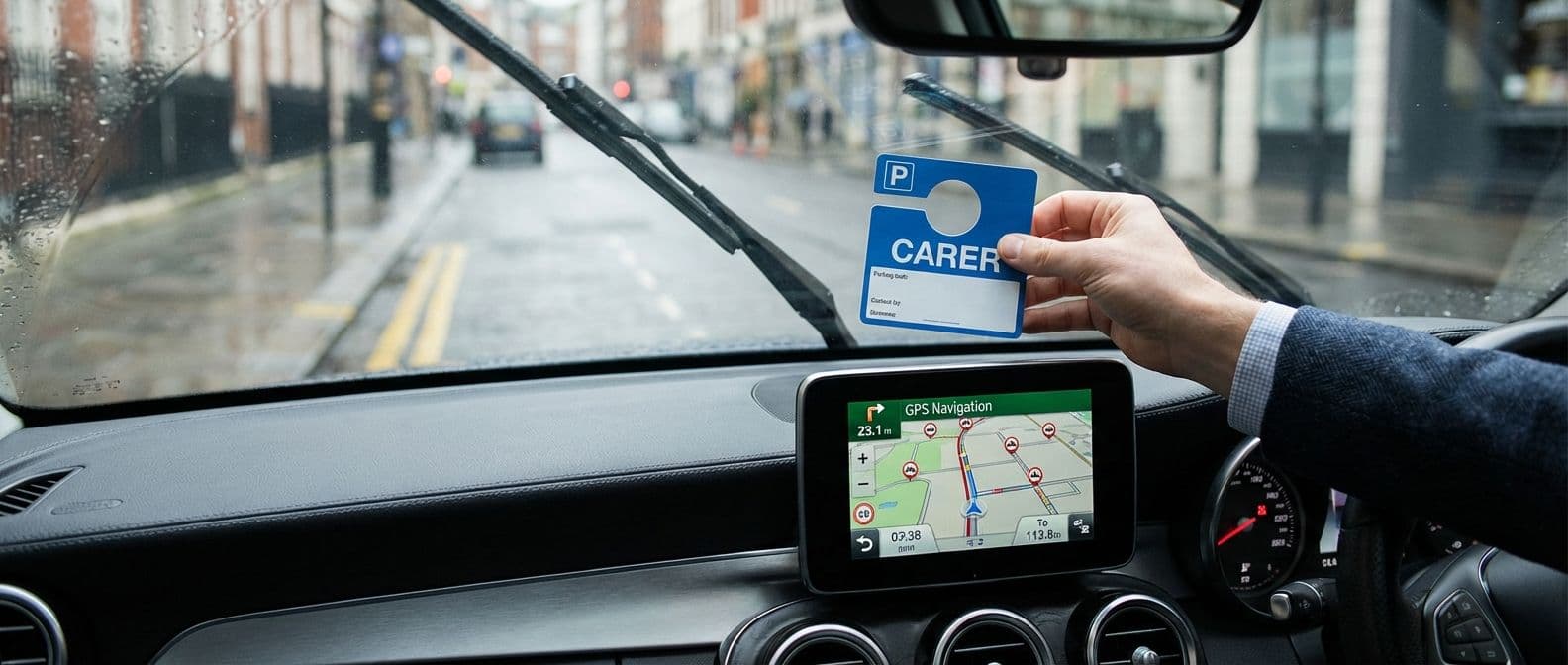
Caring for a loved one is a noble task, but it comes with its own set of challenges. One of the often-overlooked hurdles is parking. Whether you're dropping off at a hospital or visiting a homebound individual, finding a convenient parking spot can be a logistical nightmare. Fortunately, the UK offers carers parking badges to ease these challenges. In this guide, we'll unravel the mystery of carers parking badges, helping you understand how they work, who qualifies, and how to apply for one.
Understanding the Blue Badge Scheme
First, let's dive into the Blue Badge scheme, a pivotal part of the parking landscape for carers. The Blue Badge is a permit that allows people with disabilities or health conditions to park closer to their destination, making everyday tasks more manageable.
Who Qualifies for a Blue Badge?
Eligibility is key when it comes to Blue Badge applications. Generally, a person qualifies if they:
- Are registered as blind.
- Receive a higher rate of the mobility component of Disability Living Allowance.
- Receive Personal Independence Payment (PIP) with a specific score for mobility.
- Have a substantial and permanent disability that affects their mobility.
Pro Tip: If you're caring for someone who meets any of these criteria, they may be eligible for a Blue Badge. The badge can be used by any driver who is transporting the badge holder.
How to Apply for a Blue Badge
Applying for a Blue Badge is straightforward but requires some preparation:
- Gather Necessary Documents: You'll need proof of identity, address, and eligibility. Documents such as a passport, utility bill, and benefit award letters are commonly required.
- Complete the Application: Applications can be completed online via the GOV.UK website or through your local council. Some councils may have paper forms available.
- Submit Your Application: Ensure all documents and the application are complete before submission to avoid delays.
- Await Decision: Processing times can vary, but you'll typically receive a decision within eight weeks.
Pro Tip: Keep a copy of your application and all supporting documents. If there's a delay, you'll have everything on hand for follow-up.
Residents Parking Permits for Carers
Beyond the Blue Badge scheme, local councils across the UK offer Residents Parking Permits tailored for carers. These permits allow carers to park in residential areas without time restrictions, ensuring they can stay as long as needed.
How Do Carers Permits Work?
- Eligibility: Generally, you must be providing regular care to someone living within a controlled parking zone (CPZ).
- Application Process: Much like the Blue Badge, you'll apply through your local council. Required documents often include proof of address for both you and the person you’re caring for, as well as evidence of your carer status.
- Permit Benefits: With a carers permit, you can park in residents-only zones, which is a lifesaver when home visits are frequent.
Pro Tip: Check with your local council for any specific requirements or additional benefits associated with the carers permit program.
Navigating UK Parking Regulations
Understanding parking regulations can be daunting, but it's essential for carers to avoid unnecessary fines and penalties. Here are some basics:
- Double and Single Yellow Lines: Blue Badge holders can park on single or double yellow lines for up to three hours, provided there are no loading restrictions. Always display your badge correctly.
- Parking Meters and Pay & Display: Blue Badge holders often don't need to pay at meters or pay-and-display machines in council car parks, but local rules may vary.
- Stay Alert: Always look for signs indicating specific restrictions. Councils can have unique rules, especially around sensitive areas like hospitals and schools.
Pro Tip: Use apps like Parkopedia to find accessible parking spots quickly. These tools can save you time and frustration.
Legal Tips for Carers Using Parking Badges
To make the most out of parking badges while staying compliant, consider these legal tips:
- Display the Badge Properly: Ensure your Blue Badge is displayed clearly on the dashboard, showing the expiry date and hologram.
- Don't Lend the Badge: The Blue Badge is for the badge holder's benefit only. Lending it to others, even for a quick errand, is against the rules and can lead to penalties.
- Keep Updated on Changes: Parking regulations can change. Stay informed through council websites or community forums to avoid surprises.
Pro Tip: Sign up for alerts from your local council to receive updates on parking regulation changes in your area.
Actionable Next Steps
Now that you're equipped with essential knowledge on carers parking badges, here’s what you can do next:
- Assess Eligibility: Determine if you or the person you care for qualifies for a Blue Badge or carers permit.
- Gather Documentation: Start collecting necessary documents to streamline the application process.
- Engage with Your Local Council: Reach out to your local council for specific advice and to ensure you have the most current forms and guidelines.
- Stay Informed: Subscribe to newsletters or join support groups for carers to stay updated on any changes in parking regulations or additional support options.
Caring for someone is a rewarding journey, albeit challenging. With the right parking permits and knowledge of UK parking regulations, you can focus more on what truly matters – providing the best care possible. Remember, understanding and utilizing these resources will not only simplify your responsibilities but also enhance the quality of life for both you and those you care for. Safe driving and happy parking!
Written by
Amara Okafor
Council Liaison Officer
Ready to Challenge Your Ticket?
Let our AI analyse your PCN and generate a professional appeal letter in minutes.
Start Free Appeal