London Congestion Charge Rise: January 2026 Explained
London’s Congestion Charge rises in January 2026. See what drivers will pay, who is affected, and the other motoring rule changes to prepare for this year.

The Parking Ticket Pal Editorial Team
4 September 2026
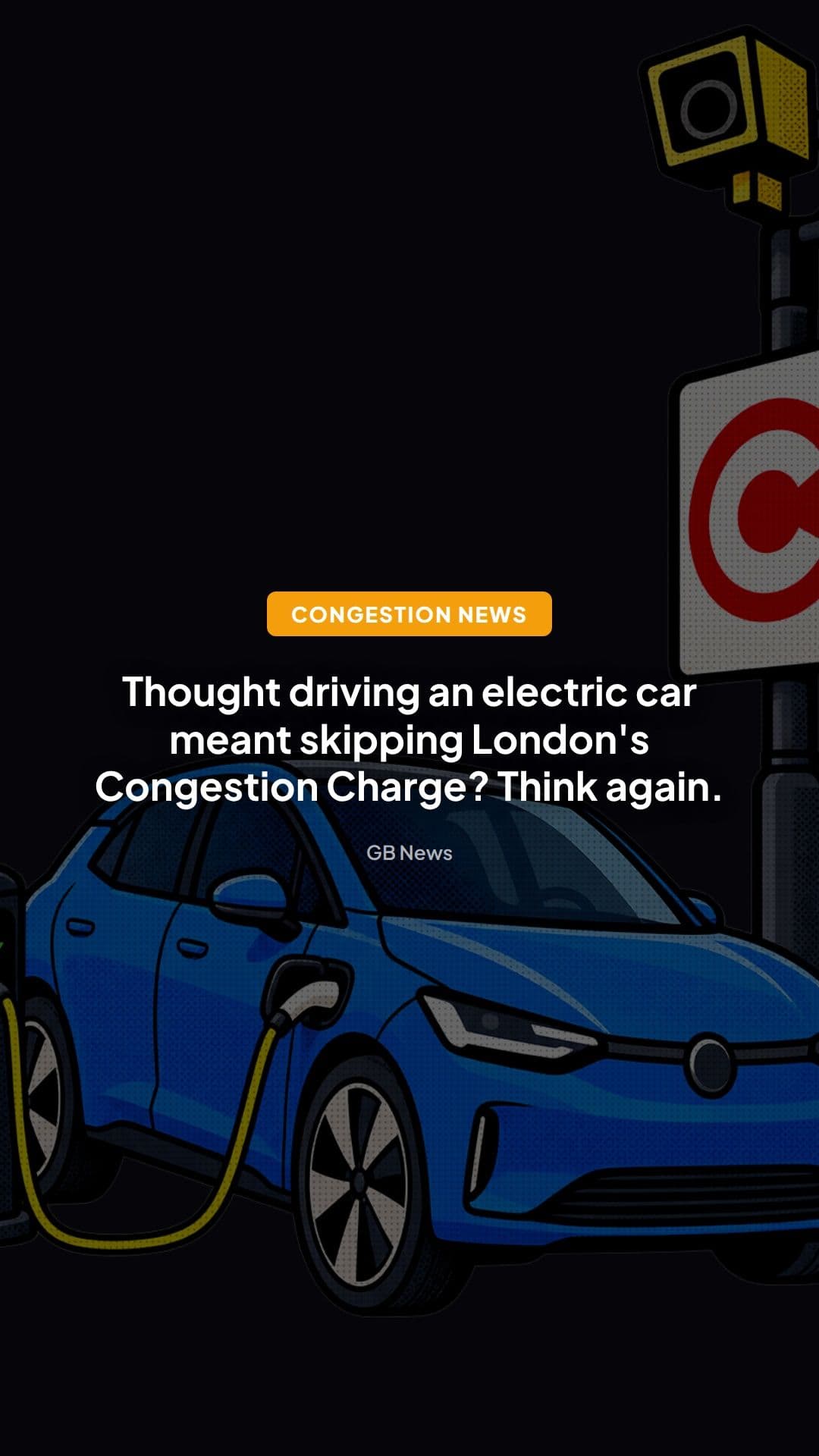
Driving Law Changes Launching In January Will Impact Millions: What You Actually Need To Know
New Year's resolutions rarely survive January, but this year one thing is guaranteed to stick around: higher bills for anyone who drives in or around the capital, plus a handful of quieter regulatory shifts that could catch drivers off guard. While much of the noise has centred on the London Congestion Charge increase, there's more going on beneath the surface, including early moves towards digital driving licences that could eventually change how every UK motorist proves who they are behind the wheel.
What Happened
From January 2026, the London Congestion Charge rose again, part of a steady pattern of increases under Transport for London that has seen the daily fee climb well beyond its original level since the scheme launched in 2003. Alongside the headline figure, one of the more significant shifts is the erosion of exemptions that electric vehicle drivers have relied on for years. The Cleaner Vehicle Discount, which allowed fully electric cars to enter the zone without paying, is being phased out, meaning EV owners in London now face a bill that many had never budgeted for.
That's only part of the story GB News flagged. The other strand running through January's changes is the government's continued groundwork on digital driving licences, tied to the broader GOV.UK Wallet initiative. The direction of travel is clear: ministers want a smartphone-based version of the driving licence to sit alongside, and eventually perhaps replace, the plastic card most of us carry. Sadiq Khan's name features in coverage of this because London has often been the testing ground for new mobility and identity schemes before they roll out nationally.
Together, these changes reflect two very different pressures on UK motoring policy: revenue-raising through road charging, and modernisation through digital identity. Both will affect millions of drivers, just in very different ways.
Why It Matters
The Congestion Charge was never designed to stay static. Since its introduction it has increased multiple times, and each rise reignites the same debate: is this a genuine tool to cut congestion and pollution, or has it become a reliable revenue stream for TfL that happens to also reduce traffic? The removal of EV exemptions adds fuel to that argument. For years, going electric was pitched partly on the promise of dodging charges like this one. Now that promise is unravelling as more EVs hit the roads and TfL needs the income that exempting them would otherwise cost.
This matters beyond London too. Congestion charging and clean air zones elsewhere in the UK, from Bristol to Birmingham, tend to evolve in similar directions once London sets a precedent. Drivers outside the M25 shouldn't assume this is purely a London story, particularly if their own city council is watching how smoothly the EV exemption removal goes down.
The digital licence angle matters for a different reason. Physical documents have long been a source of friction in enforcement, whether it's producing a licence at a roadside stop, proving your entitlement to drive certain vehicles, or dealing with a lost or stolen card. A verified digital version stored on a phone could, in theory, streamline all of this. But it also raises questions about data security, what happens if your phone dies or is stolen, and how enforcement officers verify authenticity in the field. These aren't hypothetical concerns, they're the same issues that have dogged digital ID schemes in other sectors for years.
The Legal Angle
The Congestion Charge operates under the Greater London Authority Act 1999, which gives TfL statutory power to introduce and vary road user charging schemes within its boundary. Crucially, changes to the charge amount or the exemptions attached to it don't require an Act of Parliament each time. TfL can adjust the scheme through its own governance processes, provided it follows consultation requirements. This is why increases can happen relatively quickly compared with, say, national tax changes that need to pass through Parliament.
Non-payment remains enforced through Penalty Charge Notices (PCNs), separate from the parking PCN system but governed by similar principles around service, appeal rights, and the ability to make representations if you believe a charge was issued in error. If you're new to the zone or have recently lost an exemption you relied on, it's worth understanding how the PCN and appeals process works before a mistake turns into a real financial headache. Anyone unsure about how discounts and exemptions currently apply, including for disabled drivers, residents, or certain vehicle types, should check the breakdown of which vehicles still qualify for discounts rather than assume last year's rules still apply.
On the digital licence front, the legal position is more embryonic. The Road Traffic Act 1988 and associated regulations still underpin what constitutes a valid driving licence, and any digital equivalent will need to satisfy DVLA and Home Office requirements around identity verification before it carries the same legal weight as the physical card. For now, nothing forces drivers to adopt a digital licence, and the plastic card remains the recognised document if a police officer asks to see your licence. Anyone hoping to get ahead of this shift should keep an eye on official DVLA and GOV.UK communications rather than third-party apps claiming early access, since scams tend to cluster around genuine government digitisation projects. Drivers who want a wider view of how licensing rules might evolve over the next couple of years can look at the broader context in our piece on the potential shake-up of UK driving licence rules.
What Drivers Should Know
A few practical points are worth flagging for anyone affected by these January changes.
Check your exemption status before you drive into the zone. If you've been relying on an EV discount, confirm directly with TfL whether it still applies to your vehicle and from what date any change takes effect. Don't assume historic registration for a discount carries forward automatically.
Budget for the new rate, not the old one. Regular commuters or delivery drivers who cross the boundary daily will feel a cumulative rise far more than occasional visitors, so it's worth recalculating whether alternative routes, public transport, or off-peak timing genuinely save money now.
Keep your payment methods and auto-pay settings up to date. A lot of PCNs get issued not because someone deliberately avoided paying, but because a registered payment method failed or an exemption lapsed without the driver noticing. Reviewing your TfL account settings at the start of the year is a sensible five-minute job.
Don't rush to adopt unofficial "digital licence" apps. Until the government formally launches its digital driving licence functionality through the GOV.UK Wallet, treat any third-party service claiming to offer this as, at best, unnecessary and, at worst, a phishing risk.
If you receive a PCN you believe is wrong, don't ignore it. Whether it relates to the Congestion Charge or a parking contravention, there are formal channels for challenging penalty notices, and ignoring them rarely makes the problem disappear. If you're unfamiliar with how representations work, it's worth reading up on the process before deadlines pass.
Looking Ahead
The pattern here is familiar: London tightens a scheme, other UK cities watch closely, and national policy on things like digital identity edges forward in small, deliberate steps rather than one dramatic overhaul. Expect further Congestion Charge reviews in future years, continued erosion of EV-specific perks as electric vehicles become the norm rather than the exception, and a slow, cautious rollout of digital licensing that will likely coexist with physical documents for a long time before any full replacement is even considered.
For drivers, the sensible approach is the same one that applies to most regulatory change: read the official guidance from TfL and GOV.UK directly, don't rely on secondhand summaries when money or legal compliance is at stake, and build a small buffer into your routine for the inevitable adjustment period whenever a new charge or rule beds in. January's changes won't be the last of 2026, but they're a useful reminder that UK motoring policy rarely stands still for long.
Written by
The Parking Ticket Pal Editorial Team
Source-checked parking guidance
Ready to Challenge Your Ticket?
Let our AI analyse your PCN and generate a professional appeal letter in minutes.
Start Free Appeal