
Farnworth Parking Charge Row: What Drivers Can Do Next
A Farnworth man's disputed parking charge highlights how to challenge a private PCN, use DVLA evidence and seek support when a vehicle is wrongly linked.

The Parking Ticket Pal Editorial Team
11 November 2026
When the Parking Charge Isn't Yours: Lessons From a Farnworth Care Home Row
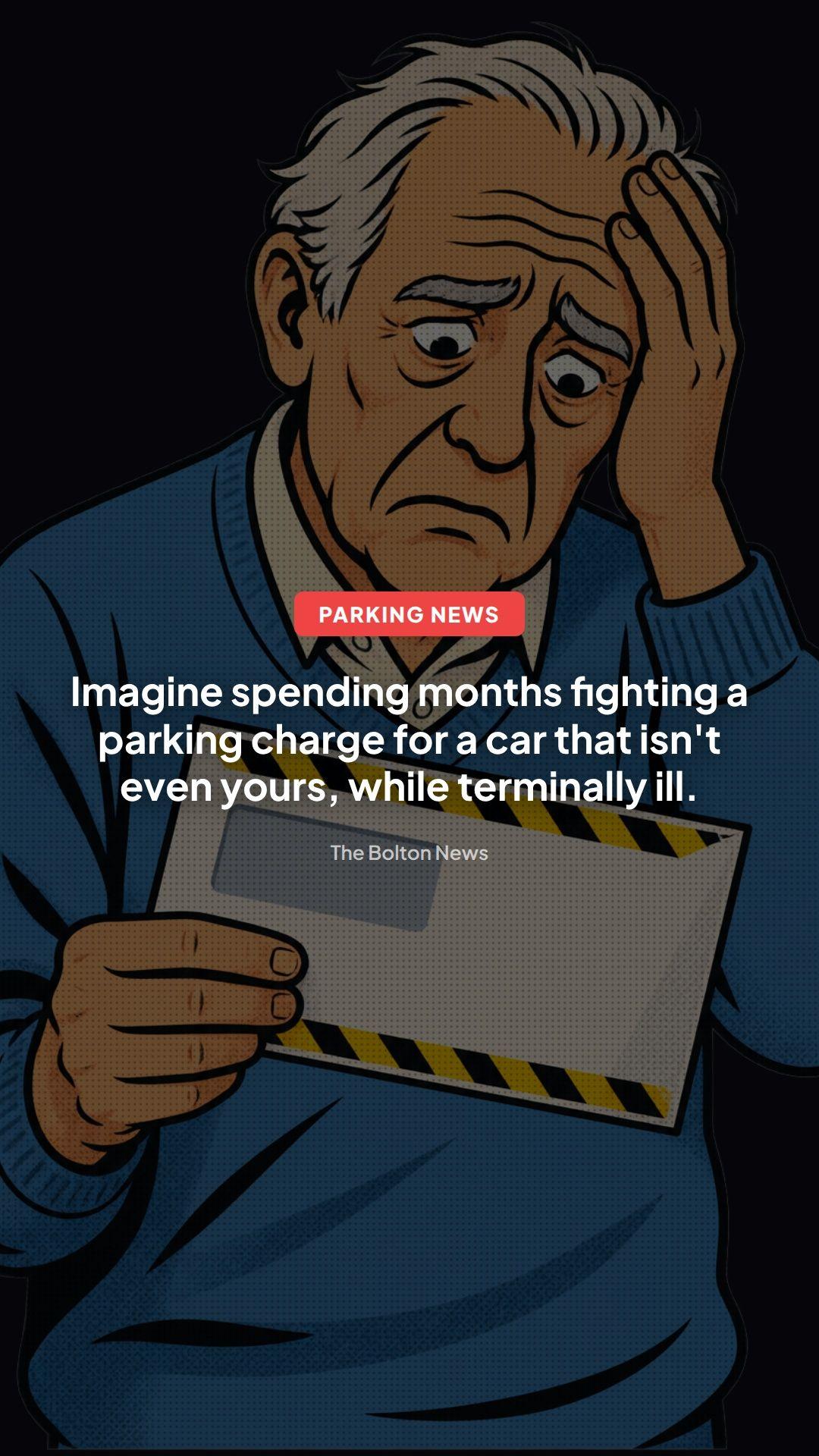
Being chased for money is stressful at any age. Being chased for months over a charge you say has nothing to do with you, while living with a terminal illness, is something else. That is the situation reported by The Bolton News, which tells the story of a 73-year-old man from the Farnworth area. He says he spent months disputing a parking charge linked to a vehicle he insists was not his.
The case raises a question that catches out many drivers: who is actually responsible when a private parking charge lands on the wrong doormat, and who can help fix it?
What happened
According to the report, the man received a parking charge connected to a car park at a care home. He says the vehicle named in the charge was not his, and he disputed it over a period of months. He also had a letter from the DVLA which, as the report presents it, supported his position.
The care home has said it will "support" him. It explained that its car park is independently managed by a private operator, meaning the home does not issue the charges itself. It also said it could raise apparently erroneous charges with that operator.
We don't have every detail. The report as summarised doesn't tell us the operator, the amount, or exactly what the DVLA letter said, so I won't guess. The core of the story is still clear, and it follows a pattern familiar to anyone who has dealt with private parking firms. An allegation is made, the recipient says it's wrong, and the process drags on while the stress builds.
Why it matters
The site owner and the operator are not the same thing
At many care homes, hospitals, retail parks and supermarkets, the organisation whose name is on the building isn't the one issuing the charges. A private operator is contracted to manage the land, usually with ANPR cameras and signage. That operator, not the care home, sends the notices and decides how to handle disputes.
This matters because the people being chased often turn first to the organisation they were visiting. The care home's response here is typical. It says the car park is independently managed, but it will raise the matter with the operator. That is a reasonable stance, but it also shows where the power sits. Operators usually have discretion to cancel a charge, and a landowner's request is often persuasive, though it isn't a legal requirement for the operator to agree.
Vulnerability changes the picture
A person who is terminally ill, elderly, or visiting a loved one in a care setting is exactly the kind of driver for whom a stream of formal-looking letters can be overwhelming. The two main trade bodies, the British Parking Association (BPA) and the International Parking Community (IPC), publish codes of practice for their members, and these ask operators to treat people fairly, including those who may be vulnerable. Our explainer on BPA vs IPC membership covers how the two differ.
Even so, a code only helps once someone has raised the problem with the right people. In practice that can take weeks or months of correspondence, which is hard for anyone and harder for someone with limited time and energy.
How the wrong person gets chased
We don't know how this particular charge came about, and nothing in the report should be read as an explanation. In general terms, though, wrong-driver or wrong-keeper charges can arise in a handful of ways:
- ANPR misreads, where a camera records a similar-looking plate or confuses characters such as O and 0.
- Typing errors by staff or visitors entering registrations into a system. Our guide to incorrect VRM entries covers this.
- Cloned number plates, where someone copies a genuine registration. See how to prove a cloned plate.
- Outdated keeper records, where a vehicle has been sold or changed hands and the paperwork hasn't caught up. Our article on fines for a sold vehicle explains this one.
Whichever route a mistake takes, the recipient is the one left to prove a negative.
The legal angle
This section is general information, not legal advice. If a real dispute is escalating, official guidance and independent advice are the right next steps.
A private charge is not a fine
A council parking penalty is a statutory penalty. A private parking charge is different: it is an invoice based on an alleged breach of the terms displayed on the site, which is treated in law as a contractual matter or, in some cases, a claim in trespass. That is why a private operator can't simply declare you guilty. If it wants payment from someone who refuses, it has to persuade an appeals body or ultimately a court. Our guide on whether you have to pay a private parking charge goes into more depth.
Keeper liability and its limits
If an operator doesn't know who was driving, it may try to pursue the registered keeper of the vehicle. Under Schedule 4 of the Protection of Freedoms Act 2012, it can only do this if it follows a strict process. That includes sending a compliant Notice to Keeper within set time limits, and the notice must contain specific information. The timing depends on how the original notice was served, so these rules need checking against the precise facts.
Two points matter for a case like this:
- Keeper liability only attaches to the registered keeper. If you were not the keeper of the vehicle on the relevant date, the statutory route to pursue you doesn't apply in the same way.
- Operators get keeper details from the DVLA, but only if they are members of an Accredited Trade Association (the BPA or IPC) and have "reasonable cause" to request them. If the data is wrong or the match is wrong, the error often starts at that stage.
This is why the DVLA letter in the Bolton story is potentially significant. Depending on what it says, a DVLA letter can help show who the registered keeper was on a given date, or that someone was not the keeper at the time in question. Its weight in any dispute depends on its precise wording, so it should be read carefully and submitted alongside any other evidence.
The appeals route
Most disputes start with an appeal to the operator. If it is rejected, drivers can usually take it to an independent appeals service: POPLA for BPA members and the IAS for IPC members. Our POPLA step-by-step guide walks through the process. The government has also been developing a single statutory code of practice for private parking, intended to standardise rules and appeals, so it is worth checking the current position on gov.uk before relying on older guidance.
What drivers should know
These are general pointers rather than instructions for anyone's individual case.
1. Find out who the operator really is. The name on the notice, not the site owner, is the party that issues and cancels the charge. Check which trade body it belongs to, because that determines the appeal route.
2. Dispute in writing and keep everything. Written challenges create a trail. Keep copies of notices, photos of the vehicle and the signage, and any dated correspondence. If a charge relates to a vehicle you say isn't yours, evidence such as the DVLA's records, a V5C, or proof of sale or ownership dates can be relevant.
3. Ask the site host to get involved early. As the care home's response shows, landowners can often contact the operator. It isn't guaranteed to work, but it costs nothing and can sometimes resolve things before a formal appeal.
4. Don't ignore escalating letters. Debt collection letters and "solicitor" letters from private operators aren't bailiff action, and they aren't court judgments. But if a firm does issue a court claim, that comes with firm deadlines, and ignoring it can lead to a judgment by default. Official guidance is available on gov.uk, and free advice is available from Citizens Advice.
5. Mention vulnerability clearly. If an illness, a caring role or other circumstances are making the process harder, say so plainly in your correspondence and attach evidence if you can. It doesn't oblige an operator to cancel, but it can affect how a complaint is handled and how it looks if it escalates.
6. Use the next layers of complaint. If an operator seems to be ignoring its own code, you can complain to the trade body it belongs to. If you believe personal data has been misused, the Information Commissioner's Office is the regulator.
7. Get help sooner rather than later. Where there is a long dispute, a serious illness, or any possibility of court action, independent advice from Citizens Advice or a solicitor is worth having.
Looking ahead
The Farnworth case is one story, but it sits within a bigger debate about private parking regulation. Private parking charges now run into the millions each year, and the number of notices issued has prompted repeated calls for tighter oversight, clearer appeals and better protection for vulnerable drivers. Reforms such as a single code of practice and caps on charges have been discussed for some time, though drivers should confirm the up-to-date position rather than assume new rules are already in force.
For care homes and similar sites, there's a lesson in how they position themselves. A landowner that hands its car park to an operator hands over a lot of public-facing contact with residents' families, visitors and staff. Visitors don't think of that operator as separate. They think of it as part of the care home. Clear signs, a visible way to register vehicles, and a quick route to flag errors would help prevent disputes like this one.
For drivers, the practical message is simpler. A charge arriving in your name does not prove you owe it. The first question is whether the right person is being asked to pay at all. The care home's offer of support in this case is a welcome step, but it also shows how much depends on goodwill when something goes wrong. For anyone in a similar position, early evidence, written challenges and the independent appeals routes are the tools that count.
Source: The Bolton News, "Farnworth care home 'to support' terminally ill man over parking row". This article is general information only and not legal advice.
Written by
The Parking Ticket Pal Editorial Team
Source-checked parking guidance
Ready to Challenge Your Ticket?
Let our AI analyse your PCN and generate a professional appeal letter in minutes.
Start Free Appeal