Cloned Number Plate PCN: How to Prove It in the UK
Got a PCN for a cloned number plate? Learn the UK steps to prove cloning, what evidence works, who to contact (DVLA/police), and appeal tactics.

Amara Okafor
9 July 2026
Cloned Number Plate PCN: How to Prove It in the UK
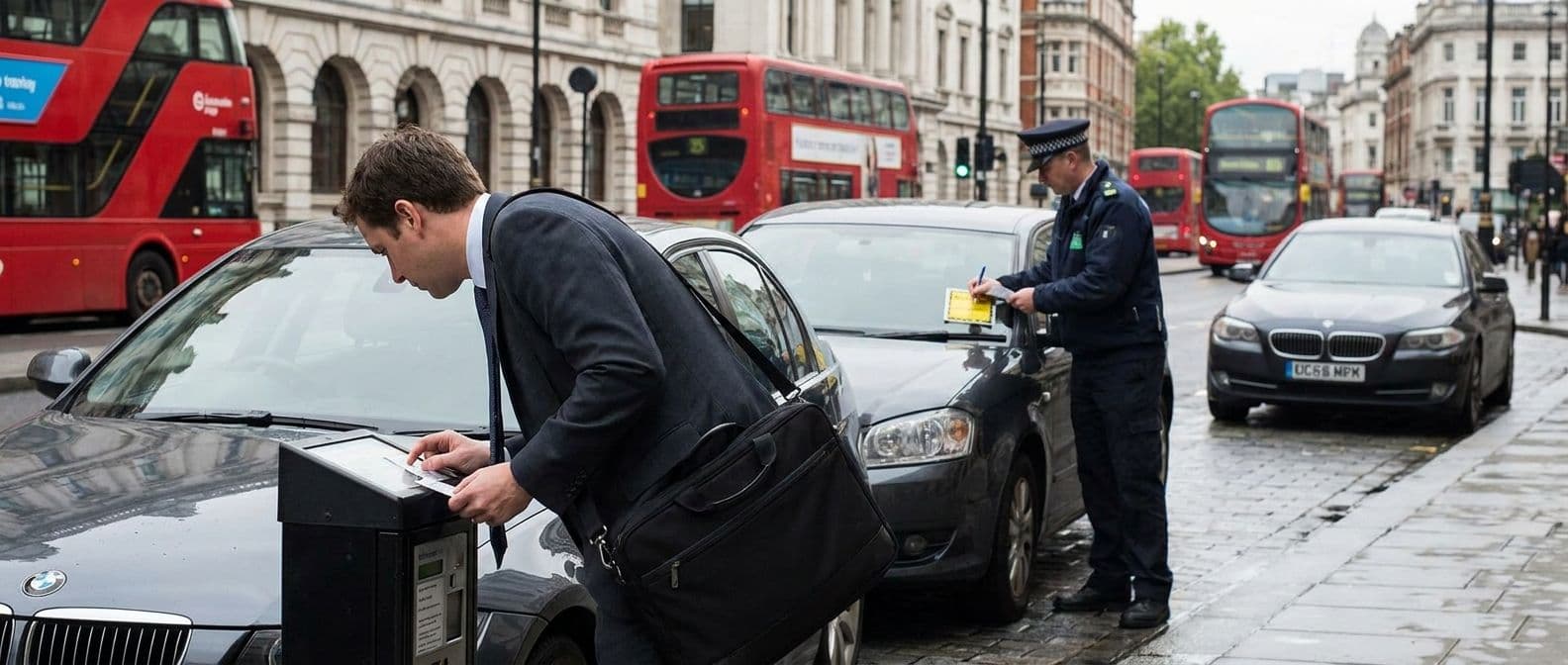
Imagine opening your post to find a Penalty Charge Notice for a parking contravention you never committed — in a location you've never visited, on a date you were somewhere else entirely. Your car was sitting on your driveway. Someone else's vehicle, wearing your registration plates, racked up the fine.
Number plate cloning is more common than most UK drivers realise, and it leaves innocent motorists facing parking fines, ANPR camera penalties, and in some cases, much more serious accusations. The good news? You can fight it — and win. Here's exactly how.
What Is Number Plate Cloning?
Number plate cloning happens when a criminal copies your vehicle's registration and attaches it to a different car — typically one of a similar make, model, and colour to avoid suspicion. The cloned vehicle then drives around freely while any fines, camera triggers, or offences land at your door via the DVLA's records.
ANPR (Automatic Number Plate Recognition) cameras don't photograph the driver — they read the plate. So when a cloned vehicle triggers a parking enforcement camera, the system traces the plate back to your registered address, and you receive the PCN.
It's an infuriating situation, but it's also one with a clear path to resolution — if you know the right steps.
How to Spot That Your Plate Has Been Cloned
The first clue is usually a PCN arriving for a location or time that makes no sense. Other warning signs include:
- Multiple PCNs arriving in quick succession from different locations
- Fines for vehicle type restrictions your car doesn't match (e.g., a PCN for a diesel in a Clean Air Zone when you drive a petrol)
- Police contact about offences you haven't committed
- Insurance or MOT queries that don't match your vehicle's history
- Toll or congestion charge notices from roads you've never used
If any of these sound familiar, treat it seriously. A cloned plate can escalate beyond parking fines into criminal matters if left unaddressed.
Step One: Report It to the Police
Your very first action should be to report the cloning to your local police force. You can do this:
- Online via your local force's website
- By calling 101 (the non-emergency police number)
- In person at your nearest police station
When you report it, explain that your registration plate appears to have been cloned and that you're receiving PCNs for contraventions your vehicle was not involved in. The police will issue you a crime reference number — and this is absolutely vital. Keep it safe. You'll need it for every appeal you make.
Pro tip: Ask the officer to note the specific PCN details in the crime report. Having the fine reference numbers attached to the crime report strengthens your case considerably.
Step Two: Notify the DVLA
Contact the Driver and Vehicle Licensing Agency (DVLA) to inform them that your registration has been cloned. You can do this by writing to DVLA, Swansea, SA99 1BN, or via their online enquiry service.
The DVLA holds the registered keeper data that enforcement authorities use to issue PCNs. While they won't resolve the fine directly, notifying them creates an official record that your plate is subject to a cloning complaint — which can support future appeals and may prompt the DVLA to flag your registration on their system.
Step Three: Gather Your Evidence
This is where your appeal will be won or lost. The stronger your evidence pack, the faster the PCN will be cancelled. Here's what to collect:
Photographic evidence:
- Photos of your actual vehicle showing its current condition, colour, and any distinguishing features (dents, stickers, modifications)
- If the issuing authority has CCTV or photographic evidence of the offending vehicle, request it — the two vehicles may look noticeably different
Documentary evidence:
- Your crime reference number from the police
- A copy of your V5C logbook (vehicle registration certificate) confirming the registered keeper details
- Your MOT certificate and any service records confirming your vehicle's make, model, and engine type
- Proof of where your vehicle was at the time of the alleged contravention — this could be home CCTV footage, a neighbour's dashcam, or a receipt showing you used a local car park elsewhere
Insurance and mileage records:
- Your insurance schedule showing vehicle details
- Any telematics or black box data if your insurer provides it (this can pinpoint your vehicle's location precisely)
Pro tip: If your car has a dashcam with GPS logging, this is gold-standard evidence. A timestamped GPS track showing your vehicle was stationary at your home address while the PCN was being issued is very difficult to argue against.
Appealing a Council PCN for a Cloned Plate
For a council-issued PCN (issued under the Road Traffic Act 1991 or the Traffic Management Act 2004), the appeals process runs in stages:
- Informal representation — Write to the issuing council within 14 days of the PCN to benefit from the discounted penalty rate while your appeal is considered. Clearly state that your vehicle's registration plate has been cloned, include your crime reference number, and attach your supporting evidence.
- Formal representation — If the council rejects your informal appeal (unlikely with strong evidence, but it happens), submit a formal representation. At this stage the council must issue a Notice to Owner, and you have 28 days to respond formally.
- Independent adjudicator — If your formal representation is rejected, you can appeal to the Traffic Penalty Tribunal (outside London) or London Tribunals (within London). These are free, independent services and adjudicators regularly cancel PCNs where cloning is clearly evidenced.
Appealing a Private Parking Charge Notice
Private parking operators — those managing supermarkets, retail parks, and private car parks — issue Parking Charge Notices (also called PCNs, confusingly). These are handled differently.
- If the operator is a member of the British Parking Association (BPA), you can appeal to POPLA (Parking on Private Land Appeals) after an internal appeal fails.
- If they're a member of the International Parking Community (IPC), the independent appeals service is the IAS (Independent Appeals Service).
Submit the same evidence package: crime reference number, vehicle photos, proof of location, V5C details. Private operators tend to cancel quickly once a crime reference number is presented — pursuing a cloning victim through the courts would be both embarrassing and legally precarious for them.
What If the PCN Has Already Escalated?
If you've missed appeal deadlines because you weren't aware of the cloning until later — perhaps multiple fines arrived at once — don't panic. You can apply for an Out of Time Statutory Declaration (TE9 form) if the PCN has reached the warrant stage. This is a sworn legal statement explaining why you didn't respond in time, and cloning is a well-recognised valid reason.
Your Actionable Next Steps
To summarise, here's your checklist if you've received a PCN for a cloned plate:
- ✅ Call 101 and report the plate cloning — get your crime reference number
- ✅ Write to the DVLA to flag your registration as cloned
- ✅ Photograph your vehicle thoroughly, noting all distinguishing features
- ✅ Gather location evidence — CCTV, dashcam, GPS data, receipts
- ✅ Appeal the PCN immediately using your crime reference number and evidence pack
- ✅ Request the operator's photographic evidence of the offending vehicle
- ✅ Escalate to an independent tribunal if your appeal is rejected without good reason
Number plate cloning puts innocent drivers in an incredibly frustrating position, but the appeals process exists precisely for situations like this. With a crime reference number, solid evidence, and a clear, factual appeal letter, the vast majority of cloned plate PCNs are cancelled — often at the first stage. Don't pay a fine for something you didn't do.
Written by
Amara Okafor
Council Liaison Officer
Ready to Challenge Your Ticket?
Let our AI analyse your PCN and generate a professional appeal letter in minutes.
Start Free Appeal