
2026 Driving Law Changes: Car Tax, Seatbelts and Tests
Drivers face major 2026 changes, from electric car tax and higher VED to tougher seatbelt penalties, drink-drive rules and theory test updates explained.

The Parking Ticket Pal Editorial Team
20 November 202611 min read
Big Driving Changes in 2026: What the Car Tax Rise, Seatbelt Proposals and Theory Test Shake-Up Mean for You
Most of us only think about motoring law when something goes wrong, such as a letter from the DVLA, a flash in the mirror or a penalty notice on the doormat. Yet some of the biggest shifts in the cost and rules of driving arrive quietly, tucked into a Treasury table or a government consultation. A recent round-up from StokeonTrentLive (the Stoke Sentinel) pulls together several of them for 2026: higher vehicle tax, tougher seatbelt penalties, a possible change to the drink-drive limit and first aid questions in the theory test.
Some of these are already in force and some are only proposals. That distinction matters, so this post separates the two and looks at the practical consequences.
This is general information, not legal advice. For anything affecting your own licence, finances or a pending case, check official guidance or speak to a qualified professional.
What the Report Covers
The article highlights four themes:
- Vehicle Excise Duty (VED) changes from April, including the standard rate applying to electric vehicles and higher charges for high-emission cars.
- Proposed penalties for not wearing a seatbelt.
- A possible change to the drink-drive limit in England and Wales.
- CPR and first aid questions being considered for the driving theory test.
Two of these affect your bank account. The other two affect your licence and how you learn to drive.
Car Tax: The Part That Is Already Happening
Electric cars are no longer tax-free
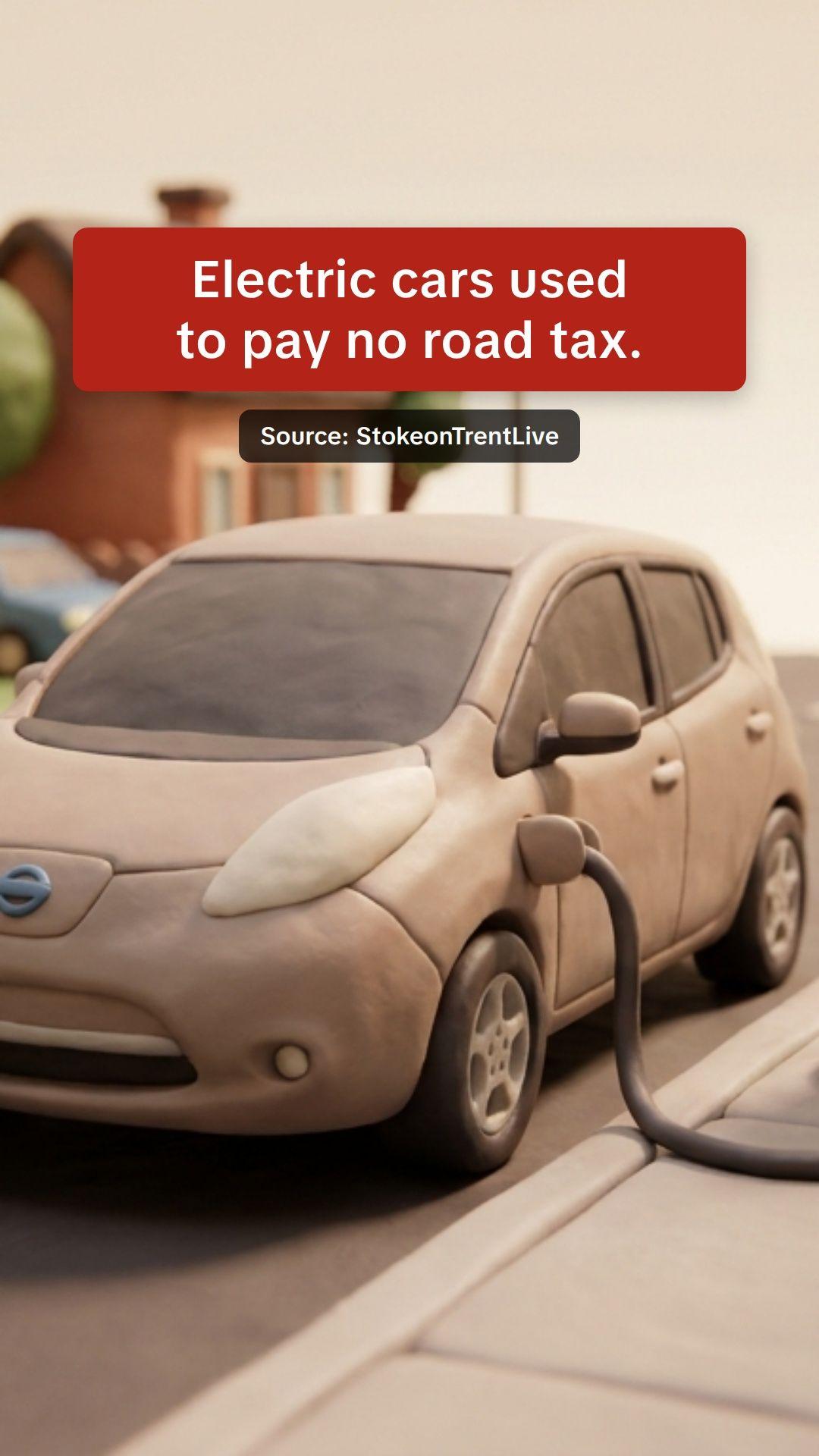
For years, zero-emission cars paid nothing in road tax, which was a major selling point. That ended in April 2025, when electric cars moved into the VED system. The April 2026 uprating pushes the standard annual rate to £200 for 2026/27, in line with inflation.
For an EV owner, the "free road tax" argument has gone. Many will pay the same flat rate as a petrol or diesel car that meets the standard criteria. The gap between running costs of EVs and combustion cars is still large for many households, but the tax advantage has been removed. Charging costs and depreciation now matter far more.
Further change is coming. The government has announced a per-mile charge for electric vehicles, due from 2028, on top of existing VED. We have covered it in more detail in our post on the 3p pay-per-mile road tax, so we will not repeat it here. The point is that today's VED arrangement is likely a staging post rather than the end state.
Higher bills for high-emission cars
The other half of the story is what happens to cars with higher CO2 output. VED for cars registered since April 2017 has two stages:
- A first-year rate, paid when the car is first registered and based on CO2 emissions. This is built into the on-the-road price, and it rises steeply in the higher bands.
- A standard rate from the second year onwards, which is flat regardless of emissions.
Anyone buying a new, higher-emitting car, such as a large SUV or performance model, sees the biggest hit, because the first-year rate bites at the point of purchase. If you are comparing a new car's price against a rival, ask the dealer to itemise the first-year VED, as the difference between models can be substantial. The current rate tables are published on GOV.UK, and checking them directly is wiser than relying on a headline figure.
Cars with a list price above the expensive car supplement threshold also pay an additional annual charge for five years, starting in the second year. EVs have a different, higher threshold from April 2025, so check the current figures if you are buying at the premium end.
The legal consequences of not paying
VED is not optional, and enforcement is largely automated. The DVLA cross-checks its records against insurance data and roadside ANPR cameras. Under the Vehicle Excise and Registration Act 1994, an untaxed vehicle can lead to a £80 penalty (reduced if paid promptly), a back-duty claim and, in some cases, court action with a much larger fine. Wheel clamping or removal is also possible. Our post on DVLA enforcement and the risk of clamping or crushing explains how this works in practice.
The key trap is that tax does not transfer with a vehicle when it is sold. If you buy a car, you must tax it before driving it away. If you sell one, tell the DVLA straight away so the record is updated and you are not chased for a vehicle you no longer own.
Seatbelts: Proposals, Not Yet Law
The seatbelt story needs careful reading. The law as it stands is clear. Under the Road Traffic Act 1988 and the Motor Vehicles (Wearing of Seat Belts) Regulations 1993, drivers and passengers must wear a belt where one is fitted, apart from limited exemptions such as a medical certificate or reversing manoeuvres. Not wearing one can bring a £100 fixed penalty, and up to £500 if the matter goes to court. A driver is responsible for ensuring children under 14 are restrained appropriately, while older passengers are responsible for themselves.
What the report discusses are proposals to make the penalties tougher. Proposals are not law until Parliament or the relevant minister brings them into force through legislation. Until then, nothing changes at the roadside. Watch the official consultation outcomes rather than headlines.
Why does this matter? Seatbelt non-compliance is widely recognised as a significant factor in road deaths, and enforcement is shifting from officers on the roadside to cameras. Some police forces have already trialled camera vans that look into vehicles for belt and phone offences. We looked at one such trial in our post on Leicestershire camera vans targeting seatbelt offences. If points or higher fines were added, the combination of tougher penalties and better detection would make the "just a short trip" attitude much riskier for your licence and your insurance premium.
The Drink-Drive Limit: A Debate Worth Understanding
England, Wales and Northern Ireland currently use a limit of 80 milligrams of alcohol per 100 millilitres of blood (35 micrograms per 100 millilitres of breath). Scotland has applied a lower limit of 50 milligrams since December 2014. The report notes the possibility of reducing the limit in England and Wales to bring it closer to Scotland's.
Some points to keep in mind:
- A proposal is not a rule. Changing the limit requires legislation. Nothing is different for drivers today.
- The current penalties are already severe. Under section 5 of the Road Traffic Act 1988, driving over the limit can mean a minimum 12-month ban, an unlimited fine and potentially up to six months in prison.
- The limit is not a target. Alcohol affects people differently depending on body weight, metabolism, food and how quickly you drank. There is no reliable way to guess where you stand, which is why "just one" is a gamble, particularly the morning after a heavy night.
If you drive between Scotland and England, remember that you are already subject to the lower threshold north of the border. Our explainer on what a lower drink-drive limit could mean goes into the topic in more depth.
CPR in the Theory Test
The least controversial item may be the most interesting. The report mentions plans to include CPR and first aid questions in the driving theory test.
The car theory test currently has two parts: 50 multiple-choice questions (you need 43 to pass) and a hazard perception section. It costs £23. Questions on what to do at the scene of a collision already exist, but a stronger emphasis on resuscitation reflects a simple logic: drivers are often first on the scene of a collision, and the first few minutes can be critical.
For learners, there is little to dread. This is knowledge you may use as an ordinary citizen, not a trick question. If you are preparing for the test, use official DVSA revision materials rather than unofficial apps that may be out of date. Existing drivers are not retested, but a free first aid course from a recognised provider is a sensible investment.
We covered the wider learner landscape in what learners need to know about new rules in 2026, which complements this one.
What Drivers Should Do Now
1. Check what you actually pay. Look at your VED reminder and the rate for your vehicle on GOV.UK. If you pay by Direct Debit, confirm the amount has updated. If your vehicle is an EV, remember it is no longer exempt.
2. Factor first-year VED into any new-car decision. The sticker price may not show the whole story. Ask for a breakdown, particularly for higher-emission models.
3. Do not assume tax carries over. Whether buying or selling, make sure the DVLA record matches reality.
4. Treat seatbelts as non-negotiable. Regardless of what happens with proposed penalties, the existing £100 penalty and the safety case are already clear. Check that rear-seat passengers are belted too.
5. Avoid drink-driving guesswork. If you are going to drink, plan another way home. If you are unsure about the morning after, do not drive.
6. Distinguish between "in force" and "proposed". Headlines blend the two. Before changing behaviour or spending money, check GOV.UK, DVLA and DVSA pages for the actual position.
7. Consider first aid training. It costs little and might matter a great deal.
Looking Ahead
The common thread running through this report is a motoring system being redesigned around three priorities: replacing declining fuel duty income as the fleet electrifies, improving road safety through stronger deterrence and detection, and equipping new drivers with life-saving knowledge.
On tax, expect more change rather than less. EV owners have already lost their exemption, a per-mile element is planned for later in the decade, and emission-based first-year rates continue to push buyers toward lower-emitting cars. If you are weighing up a purchase, think in terms of total ownership costs over several years, not only this April's figures.
On safety, the direction of travel is towards technology-assisted enforcement of seatbelt, phone and speed offences, and possibly tougher penalties. The practical consequence is that "nobody will see me" is becoming a weaker assumption every year.
On the drink-drive limit and theory test, the outcome depends on consultations, parliamentary time and political appetite. Treat the ideas as signals, not settled decisions, and keep an eye on official announcements.
The sensible approach is the same for all of it: stay informed from official sources, keep your records tidy, and avoid being caught out by a change you did not know about. If you are ever uncertain about a penalty or notice you have received, official guidance and qualified professional advice are the safest places to turn.
Source: StokeonTrentLive (Stoke Sentinel), "Big driving changes in 2026 including car tax rise, seatbelt law and theory test".
Written by
The Parking Ticket Pal Editorial Team
Source-checked parking guidance