Wedding Car Parking Rules UK: Avoid PCNs on the Day
UK wedding car parking rules explained: where chauffeurs can stop, loading exemptions, suspensions, private venue rules and how to avoid PCNs on the day.

Emma Thompson
26 March 2026
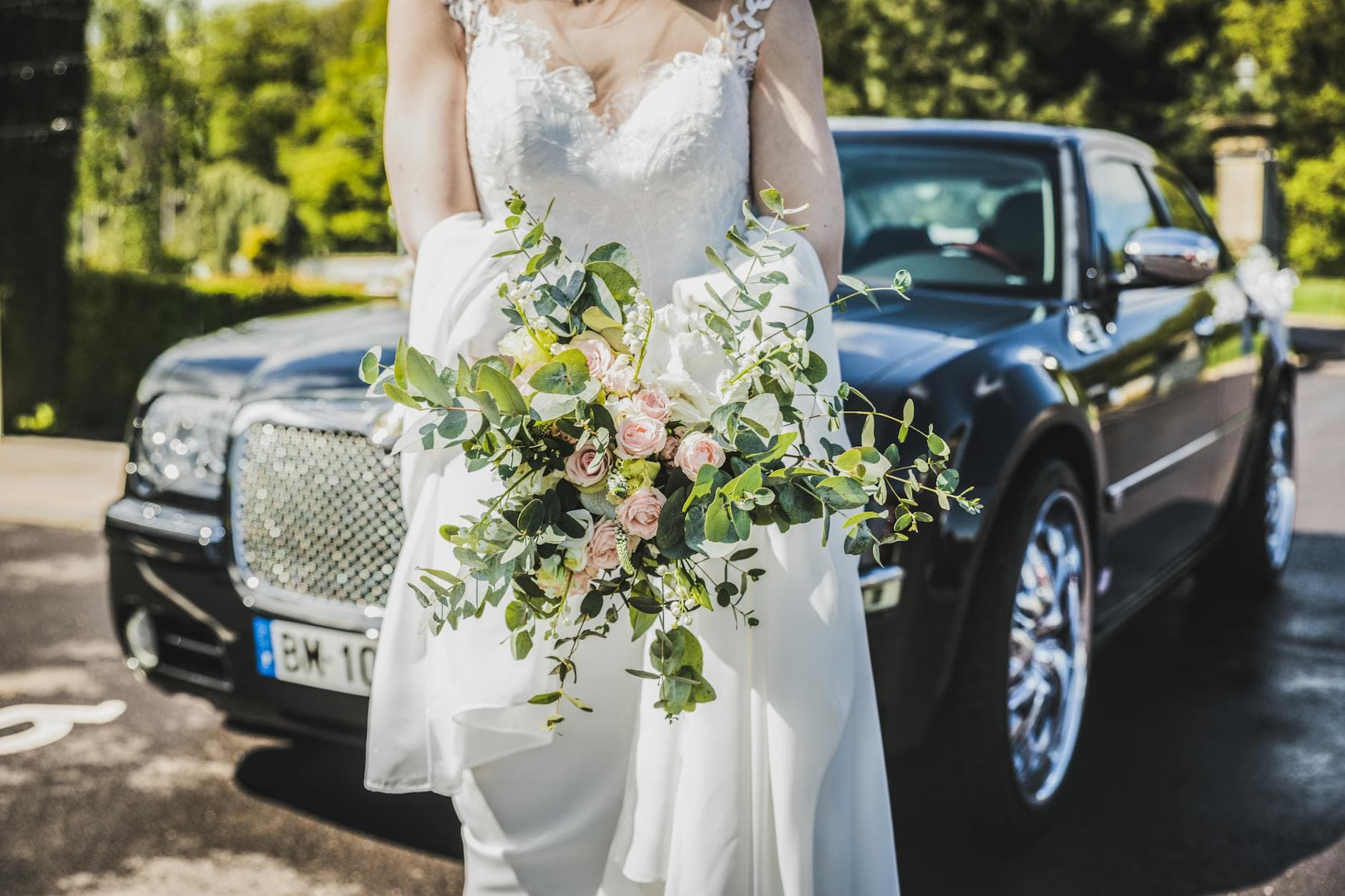
Wedding Car Parking Rules UK: Avoid PCNs on the Big Day
Picture this: the ceremony is over, confetti is in the air, and the happy couple emerges to find a bright yellow PCN tucked under the windscreen wiper of their gleaming wedding car. It's not exactly the memory anyone wants from their special day — and yet it happens more often than you'd think.
Whether you're a chauffeur company planning a route, a couple coordinating arrivals, or a venue manager fielding frantic calls from wedding parties, understanding the rules around wedding car parking in the UK can save a lot of stress, money, and embarrassment. Let's break it all down.
Why Wedding Cars Are Particularly Vulnerable to PCNs
Wedding vehicles face a unique set of challenges. They need to stop in places that aren't always convenient — outside churches, registry offices, hotels, and manor houses — often on busy streets with double yellow lines, loading restrictions, or residents' bays. The pressure of the day means corners get cut, and civil enforcement officers (CEOs) don't take days off for weddings.
The good news? There are legitimate legal protections available — but only if you know how to use them.
The Loading Exemption: Your Most Important Tool
One of the most misunderstood rules in UK parking law is the loading and unloading exemption. Under the Traffic Signs Regulations and General Directions 2016, vehicles are generally permitted to stop on single or double yellow lines to load or unload — unless there are kerb marks (also called loading restrictions) in place.
Here's where it gets relevant: passengers count as a load. This means a chauffeur dropping off a wedding party outside a venue may legitimately stop on double yellows, provided:
- There are no yellow kerb marks (loading ban marks — short diagonal lines on the kerb)
- The stop is brief and purposeful
- The driver remains with the vehicle or is actively engaged in the drop-off
Pro tip: Before the wedding day, do a recce of the route and check for kerb marks outside the ceremony and reception venues. If you spot yellow kerb marks, you'll need a different plan — there's no exemption that overrides a loading ban.
This isn't a loophole; it's a genuine legal provision. But it's narrow, so don't abuse it. Parking up for 45 minutes while guests mill about inside is not a drop-off — it's parking, and you will get a ticket.
Red Routes and Clearways: Where Even Drop-Offs Are Tricky
If your wedding venue is on or near a red route (common in London and other major cities), the rules tighten considerably. On red routes, stopping is only permitted at designated red-route bays or laybys during specified hours.
Similarly, clearways (marked with a red X on a blue background) prohibit stopping entirely during the hours shown. These are common on A-roads and near some historic venues.
If the venue sits on a red route, speak to the venue coordinator well in advance. Many experienced venues on red routes have arrangements in place — a specific loading bay, a side road, or a private entrance — precisely because this comes up regularly.
Parking Suspensions: How to Get One (and Why You Should)
If you need a vehicle — or several — parked outside a venue for an extended period, a parking bay suspension is the legitimate route. Councils across England and Wales allow residents, businesses, and event organisers to apply to temporarily suspend a parking bay.
Here's how it typically works:
- Apply to your local council — usually the parking or highways department
- Give adequate notice — most councils require at least 5–10 working days, some up to 28 days
- Pay a fee — this varies significantly by council; London boroughs often charge £60–£100+ per bay per day
- Receive confirmation — the council will erect suspension signs before the event date
Once a bay is suspended, only the vehicle(s) specified (or vehicles associated with the event, depending on the council's wording) may use that space. Anyone else parking there is liable for a PCN under contravention code 21 (parked in a suspended bay).
Pro tip: If you're hiring a chauffeur company, ask them whether they've applied for a suspension or whether they have a plan for extended parking. A professional firm should be doing this routinely for church and registry office stops.
Private Venue Car Parks: Different Rules, Different Risks
If the reception is at a hotel, country house, or private estate, you're dealing with private land parking, which operates under a completely different legal framework to council-enforced public roads.
Private car parks are regulated by accredited trade associations — primarily the British Parking Association (BPA) and the International Parking Community (IPC). Operators must be members of one of these bodies to access DVLA data and issue enforceable Parking Charge Notices (PCNs).
For wedding venues, the key things to know are:
- Ask the venue for parking arrangements in writing — how many spaces are allocated, for how long, and whether any overflow applies
- Check for automatic number plate recognition (ANPR) cameras — some venues use these even when they're not immediately obvious
- Confirm the grace period — under the Private Parking Code of Practice, operators must allow a minimum 10-minute grace period at the end of any permitted parking time
- Ask whether chauffeur vehicles are exempt — some venues explicitly permit wedding vehicles to wait in designated areas; get this in writing
A common scenario: the chauffeur parks in a hotel car park while waiting to take the couple to the airport after the reception. Hours pass, the ANPR system logs the vehicle, and a PCN arrives three weeks later. If there was no agreement in place, that's a genuine liability.
Church and Registry Office Parking: The Practical Reality
Most churches are on private land, which means the church authorities — not the council — control what happens in the grounds. If there's a car park, it's almost certainly private. The good news is that churches are rarely aggressive enforcers, but it's still worth confirming with the vicar or church warden that the wedding party can use the car park without restrictions.
Registry offices are more complex. Many are on council-controlled streets or in town centres with active enforcement. The loading exemption applies here as it would anywhere else on the public highway, but extended waiting is a problem.
If the ceremony is at a registry office and you need a car to wait nearby:
- Identify the nearest pay-and-display car park in advance
- Check whether the council operates a wedding day parking permit scheme — a small number of councils offer these, though they're not widespread
- Consider having the chauffeur circle the block rather than park illegally
Coordinating Multiple Vehicles: The Fleet Problem
Larger weddings often involve multiple cars — a bridal car, a bridesmaids' car, a car for the parents. Coordinating several vehicles in a restricted area multiplies the risk considerably.
Practical steps for multi-vehicle coordination:
- Designate a lead driver who knows the parking plan and communicates with the others
- Stagger arrival and departure times to reduce the number of vehicles stopped simultaneously
- Use a nearby car park as a staging area, with vehicles moving to the venue only for the actual drop-off or pick-up
- Ensure all drivers have the venue's contact number and know the agreed drop-off point
What to Do If You Get a PCN on the Wedding Day
If a PCN is issued despite your best efforts, don't panic — and don't pay immediately.
- Photograph the signs, road markings, and the vehicle's position before moving
- Note the time, duration of stop, and what was happening (active drop-off, loading, etc.)
- Request the CEO's notes as part of any appeal — these are available under the PCN appeal process
- Appeal on the basis of the loading exemption if applicable, providing evidence that the stop was for a genuine passenger drop-off
For council-issued PCNs, you have 28 days to make an informal representation (or pay at 50% discount). If rejected, you can escalate to a formal representation and, ultimately, an independent adjudicator via the Traffic Penalty Tribunal (England outside London) or London Tribunals.
Actionable Next Steps
Whether you're getting married, planning someone else's wedding, or driving the car on the day, here's your checklist:
- [ ] Recce the route and check for kerb marks at all key stops
- [ ] Apply for parking bay suspensions at least 10 working days before the wedding
- [ ] Confirm private venue parking arrangements in writing
- [ ] Brief all chauffeurs on the parking plan before the day
- [ ] Identify nearby pay-and-display car parks as backup
- [ ] Know your appeal rights in case a PCN is issued anyway
A little preparation goes a long way. The loading exemption, bay suspensions, and written venue agreements are all legitimate tools — use them, and your wedding day memories won't include a trip to the appeals tribunal.
Written by
Emma Thompson
Traffic Law Specialist
Ready to Challenge Your Ticket?
Let our AI analyse your PCN and generate a professional appeal letter in minutes.
Start Free Appeal