Understanding PCN Code 12: Avoiding Fines for Parking in Resident-Only Bays
Learn about PCN Code 12 and how to avoid fines when parking in resident-only bays without a permit. This guide covers UK parking regulations, common mistakes, and tips for challenging unfair penalties.

Fatima Benali
18 November 2025
Understanding PCN Code 12: Avoiding Fines for Parking in Resident-Only Bays
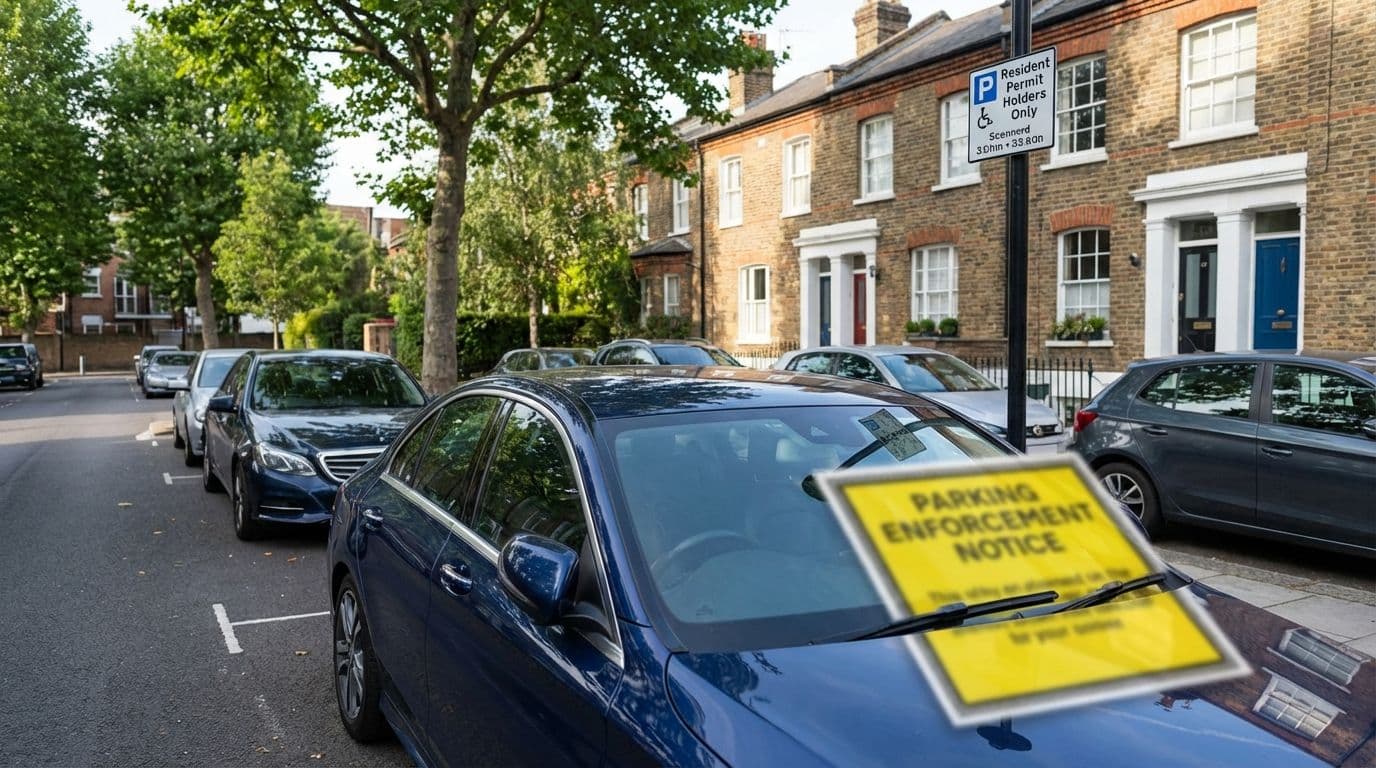
Picture this: you’ve just returned from a long day at work, ready to kick back and relax, only to find a dreaded envelope tucked under your windscreen wiper. It’s a Penalty Charge Notice (PCN) with Code 12 glaring back at you. You parked in a resident-only bay without a valid permit, and now you’re facing a fine. Sound familiar? You're not alone. Many drivers across the UK face this scenario daily. But fear not! This guide will help you navigate the tricky waters of UK parking regulations and avoid those pesky fines.
What is PCN Code 12?
PCN Code 12 is issued when a vehicle is parked in a permit bay or zone without displaying a valid parking permit. This code is particularly common in areas with high parking demand, where local councils have implemented residents-only parking schemes to ensure residents have a place to park near their homes.
Why Do Resident-Only Bays Exist?
Resident-only bays are a product of necessity. In bustling cities or densely populated areas, parking can be a nightmare. Councils establish these zones to prioritise parking for local residents, ensuring they can access parking near their homes amidst the chaos.
Understanding UK Parking Regulations
Navigating the myriad of parking rules in the UK can be daunting. Each council may have slightly different regulations, but the core principles remain the same. Here's what you need to know:
- Residents Parking Permits: These permits are typically issued by the local council to residents living in specific areas. They allow the holder to park in designated resident-only bays.
- Visitor Permits: Some councils offer visitor permits, allowing your guests to park in resident-only areas for a limited time.
- Signage: Always check for signs indicating parking restrictions. These will inform you of the times when restrictions apply and whether a permit is required.
Common Mistakes and How to Avoid Them
Mistakes happen, but they don't have to lead to a fine. Here are some common pitfalls and tips to steer clear of them:
1. Ignoring the Signs
Mistake: Not paying attention to parking signs is a surefire way to earn a PCN. Solution: Always check for signs when parking. Even if you’ve parked in the area before, signs can change. Take a moment to scan for any updates or new restrictions.
2. Assuming It's OK to Park Without Checking
Mistake: Assuming that parking is unrestricted can lead to fines, especially in busy areas. Solution: Don’t assume! Always verify the rules for the area you’re parking in. If you’re unsure, find a different spot or consult the council’s website for details.
3. Forgetting to Display a Permit
Mistake: Leaving your permit at home or failing to display it properly can be costly. Solution: Make it a habit to check that your permit is visible every time you leave your car. Consider using a permit holder to ensure it’s in clear view.
4. Misusing Visitor Permits
Mistake: Misusing or overstaying visitor permits can result in penalties. Solution: Familiarise yourself with the rules regarding visitor permits. Keep track of time to avoid overstaying your welcome.
Pro Tips for Avoiding PCN Code 12
- Set Reminders: Use your phone’s alarm or calendar to remind you to check parking restrictions and permit displays.
- Stay Informed: Sign up for local council newsletters or alerts to stay informed about changes in parking regulations.
- Consider Alternatives: If you frequently find yourself without a permit, consider alternative transport options like public transport, cycling, or ride-sharing.
What to Do If You Receive a PCN
Sometimes, despite our best efforts, a PCN finds its way to our windscreen. Here’s what you can do:
- Check the Details: Ensure that the PCN is correctly issued. Check the date, time, and location to confirm it matches your parking activity.
- Gather Evidence: If you believe the PCN was issued in error, gather evidence. This could include photos of your permit, the parking signs, and your vehicle.
- Challenge the PCN: Most councils allow you to appeal a PCN if you believe it was issued unfairly. You can usually do this online or by post. Be sure to provide any evidence that supports your case.
- Pay Promptly: If you decide not to challenge the PCN, paying it promptly often results in a reduced fine.
Real-Life Scenario
Imagine Sarah, a resident of a bustling London borough. She’s familiar with the parking restrictions but one evening forgets to display her resident permit. The next morning, she finds a PCN Code 12 on her car. Instead of panicking, Sarah checks her details, realises her mistake, and promptly pays the reduced fine within 14 days. She then sets a reminder on her phone to check her permit every evening. Sarah’s story is a common one, but with a proactive approach, she minimises the inconvenience and cost.
Conclusion
Parking in resident-only bays without a valid permit can be a costly mistake, but it’s avoidable with a little diligence and understanding of local regulations. By familiarising yourself with the rules, staying informed, and being proactive about permit management, you can avoid the stress of receiving a PCN Code 12. And should you find yourself with a notice, remember that there are clear steps you can take to challenge or settle it. Happy parking!
Written by
Fatima Benali
Dispute Resolution Specialist
Ready to Challenge Your Ticket?
Let our AI analyse your PCN and generate a professional appeal letter in minutes.
Start Free Appeal