UK Petrol Prices Top 160p: What It Means for Drivers
UK petrol prices have climbed above 160p a litre, while diesel nears 181.5p. Find out how the Iran war is pushing up fuel costs for UK drivers nationwide.

The Parking Ticket Pal Editorial Team
14 August 2026
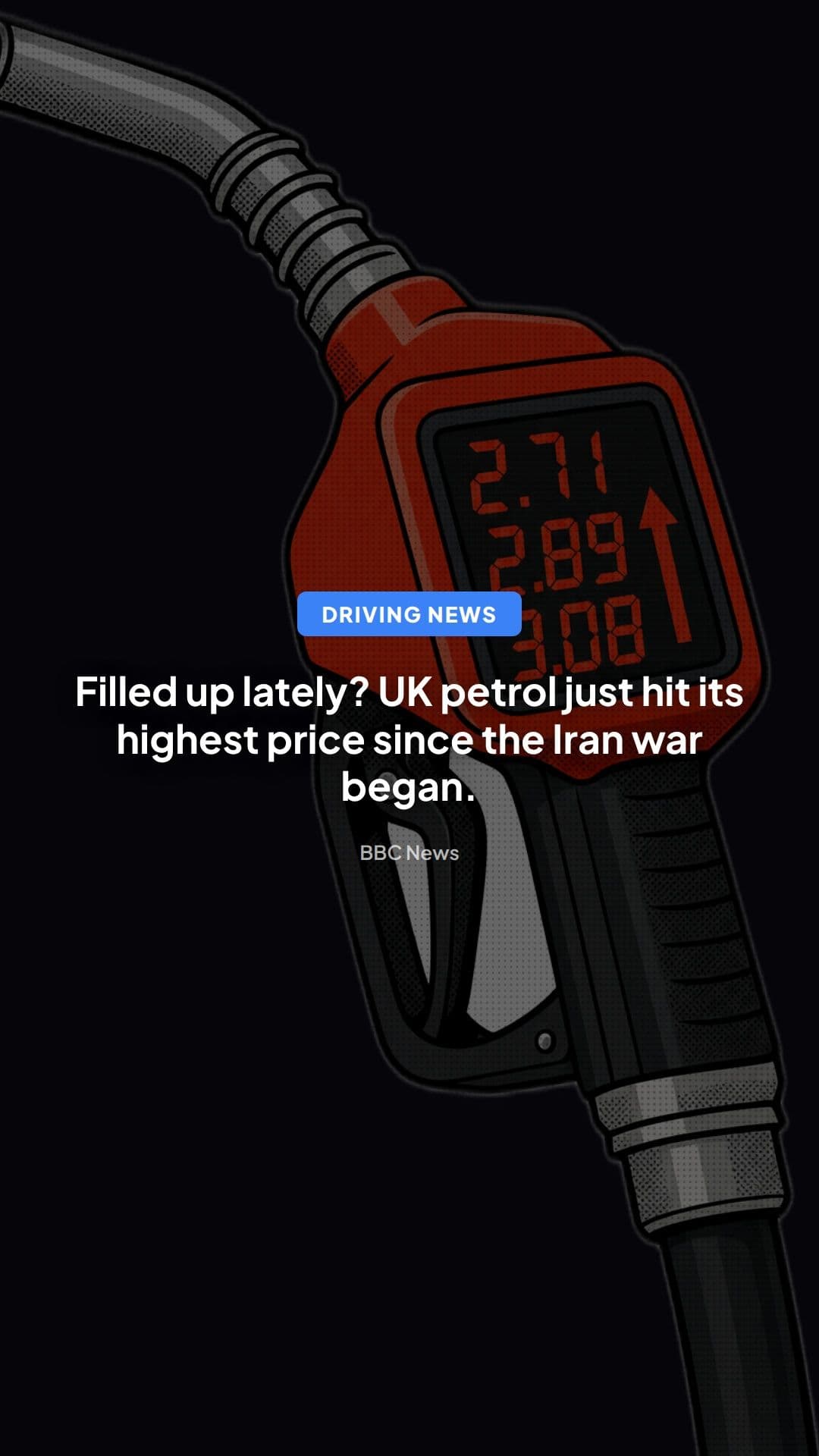
Petrol Passes 160p as Middle East Conflict Squeezes UK Drivers Yet Again
There's a particular kind of dread that sets in when you pull up to a forecourt and the numbers on the sign seem to have crept up again since your last fill. If that feeling has been especially strong lately, you're not imagining things. Average UK petrol prices have now passed 160p per litre, with diesel sitting at around 181.5p, according to BBC News. The culprit this time isn't a domestic tax hike or a refinery outage. It's a war thousands of miles away that's rippling straight through to the pump in Penzance, Preston and everywhere in between.
For anyone who drives for a living, commutes long distances, or simply hasn't got the luxury of leaving the car at home, this is a genuine financial blow, arriving at a time when household budgets are already stretched thin.
What's Actually Happened
The BBC's report ties this latest surge directly to the conflict involving Iran, describing it as pushing petrol to its highest level since the war began. Oil markets are notoriously jumpy when tension flares in the Middle East, and this episode has been no exception. Crude oil is the raw material behind everything that comes out of a fuel pump, so when traders start pricing in the risk of disrupted supply, whether that's tanker traffic through the Strait of Hormuz or wider regional instability, the cost gets passed down the chain remarkably quickly.
What makes this particular spike notable is the speed and scale of it. Diesel at 181.5p a litre is a serious number. For a driver with a 55-litre tank, that's very close to a full tank costing exactly 100 pounds, purely on fuel, before you've bought a coffee, paid for parking, or covered any of the other costs of actually getting somewhere.
Petrol at 160p per litre puts the average family car fill-up firmly into three-figure territory too, particularly for larger vehicles and family cars with bigger tanks.
Why This Matters Beyond the Forecourt
It would be easy to treat this as a one-off news story that fades once the geopolitical situation calms down. But the pattern here is one UK drivers have seen repeatedly in recent years, and it's worth understanding why.
Fuel prices in the UK are shaped by several layers stacked on top of each other. There's the wholesale cost of crude oil, which is set globally and reacts to supply fears almost instantly. Then there's fuel duty, currently frozen by the government but still a substantial fixed cost per litre. On top of that sits VAT, charged at 20% on the whole price, including the duty itself, meaning drivers effectively pay tax on tax. Finally, there's the retailer's margin, which has come under scrutiny before from bodies looking at whether pump prices fall as quickly as they rise when wholesale costs drop.
When a conflict breaks out overseas, it's the first layer, the wholesale crude price, that moves fastest. But because fuel duty and VAT are calculated as a percentage or fixed charge on top, any rise in the base price gets amplified by the time it reaches the pump. This is part of why price swings can feel so dramatic even when the underlying oil price movement seems, on paper, more modest.
There's also a knock-on effect worth flagging. Sustained periods of expensive fuel tend to accelerate interest in electric vehicles, as drivers do the maths on running costs more seriously. It's a trend that's shown up in sales data before during previous price spikes, and it's likely we'll see similar conversations resurface as this latest surge continues.
The Legal and Regulatory Angle
There's no law that caps what a fuel retailer can charge, and nor should there be in a functioning market. Fuel pricing is left to competition between retailers, which is why prices can vary noticeably between a motorway services station and a supermarket forecourt a few miles down the road.
That said, drivers do have some protections and avenues worth knowing about. The Competition and Markets Authority has previously investigated pump pricing practices, including how quickly retailers pass on wholesale price drops compared to how quickly they pass on rises. If you've ever felt like prices go up like a rocket and come down like a feather, you're not alone in that observation, and it has been the subject of regulatory scrutiny.
There's also the more mundane but very real legal risk that comes with fuel prices climbing: driving further afield to find cheaper petrol, or delaying a fill-up until the tank is nearly empty, can tempt drivers into risky decisions. Running out of fuel on a motorway, for instance, isn't just inconvenient, it can result in a stop that puts you in breach of regulations around stopping on the hard shoulder, and in the worst cases, it's simply dangerous. It's worth remembering that "economy driving" should never mean cutting it so fine that you're gambling with your safety or that of other road users.
Fuel theft, sometimes called "drive-offs," also tends to tick upward when prices spike, as some drivers make poor decisions under financial pressure. It's worth being clear that this is theft under the Theft Act 1968, regardless of how understandable the financial motivation might feel, and it can result in prosecution, a criminal record and disqualification consequences that far outweigh the cost of the fuel itself.
What Drivers Should Know and Do
There are a few practical things worth bearing in mind while prices remain elevated.
Shop around, but sensibly. Fuel price comparison apps and websites can highlight which nearby stations are cheapest, but factor in the cost and time of driving further to save a few pence per litre. Sometimes the "cheaper" station costs more once you've burned extra fuel getting there.
Keep an eye on supermarket forecourts. Historically, supermarket fuel has tended to undercut motorway services and some independent stations, though this isn't guaranteed and varies by location and by day.
Consider your driving style. Smoother acceleration, maintaining steady speeds, and keeping tyres properly inflated all genuinely improve fuel economy. It's not a magic fix for a 160p-a-litre world, but over weeks and months it adds up.
Review your journeys. If public transport, carpooling or combining errands into a single trip are realistic options for you, price spikes like this are exactly the moment to reconsider habits that might otherwise go unquestioned.
Budget for volatility, not just the current price. Given how reactive fuel costs are to global events, it's sensible to build a buffer into your monthly budget rather than assuming today's price will hold steady.
Avoid risky fuel-saving shortcuts. Don't let the tank run critically low to "save" on trips to the station, and never siphon fuel or take fuel that isn't yours, however tempting a near-empty gauge and a high price might make it feel.
Looking Ahead
Nobody can say with certainty how long this particular price surge will last. Oil markets can calm as quickly as they spike if geopolitical tensions ease, but they can equally deteriorate further if the situation escalates. What's clear is that UK drivers remain exposed to global events in a very direct and immediate way every time they fill up.
For now, the sensible approach is the boring one: keep an eye on prices, plan journeys efficiently, and avoid the kind of financial or safety risks that come from trying to outrun a fuel bill that's ultimately being set by forces far beyond any individual driver's control. This is a story worth watching closely in the weeks ahead, both for what it means at the pump and for what it might mean for the broader shift toward electric vehicles as drivers reassess the true cost of keeping a petrol or diesel car on the road.
Written by
The Parking Ticket Pal Editorial Team
Source-checked parking guidance
Ready to Challenge Your Ticket?
Let our AI analyse your PCN and generate a professional appeal letter in minutes.
Start Free Appeal