
UK Electric Car Tax: 2028 Road Charge and 2030 Ban
Understand UK electric car tax changes, including the proposed 3p-per-mile EV road charge from 2028, PHEV rates and the 2030 ban on new petrol and diesel cars.

The Parking Ticket Pal Editorial Team
19 November 202610 min read
The 3p-a-Mile EV Charge and the 2030 Petrol Ban: What Drivers Need to Know
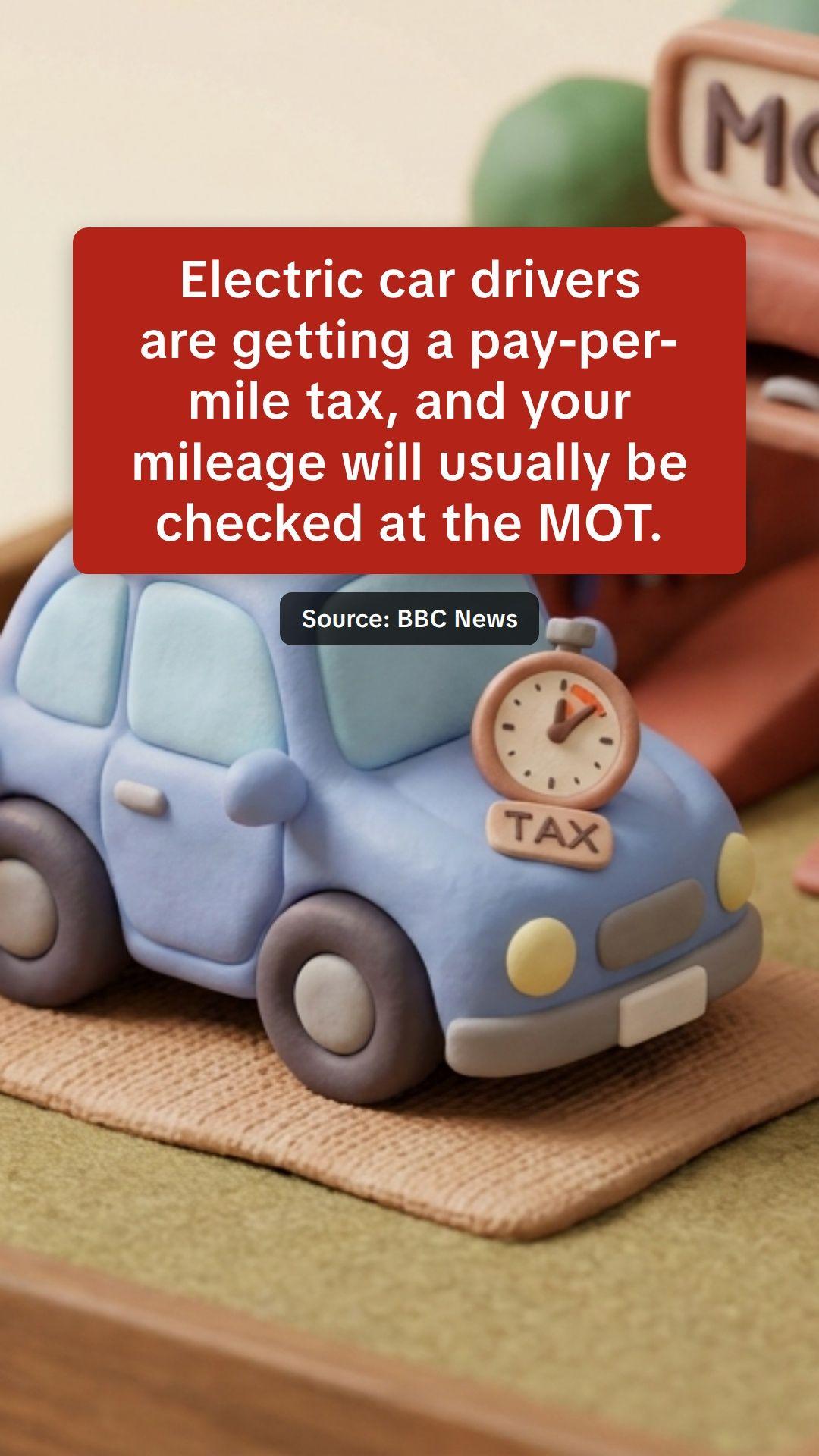
For years, the pitch for going electric has been simple: cheaper to run, cheaper to tax, cheaper to live with. Now the Treasury wants a say. From April 2028, electric car drivers are due to pay 3p for every mile they drive, and plug-in hybrid drivers 1.5p, under a new road charge. At the same time, the clock is ticking towards the planned end of new petrol and diesel car sales in 2030.
The BBC News report sets out the headline figures. But the real questions sit underneath them. How will a mileage charge actually work? What happens to the petrol car already on your driveway? And what should you be doing now, whatever you drive? This post covers the detail the headlines skip.
What has been announced
The measure is known as Electric Vehicle Excise Duty, or eVED. The key points as reported are:
- Pure electric cars will face a charge of 3p per mile from April 2028.
- Plug-in hybrids will pay 1.5p per mile.
- The charge is on top of ordinary Vehicle Excise Duty (VED), the annual "road tax", which electric cars have paid since April 2025.
- Separately, the 2030 date remains the planned end for new petrol and diesel car sales.
The rate for plug-in hybrids is half that of EVs, which reflects the fact that they use some petrol or diesel and so already contribute through fuel duty. The maths is simple. Cover 8,000 miles in an EV and you would pay £240 a year. At 10,000 miles it is £300. A plug-in hybrid doing 10,000 miles would pay £150. These are illustrative sums, not forecasts of your bill, but they show how the charge scales with how much you drive.
Why the Treasury is doing this
Fuel duty is a big earner for the Exchequer, and every petrol or diesel car replaced by an EV means less of it. Electric cars pay no fuel duty, and their charging electricity is taxed far more lightly than petrol or diesel. The government's argument is one of fairness: if everyone uses the same roads, everyone should contribute.
There is some logic to the numbers. Depending on the car, a petrol driver's fuel duty works out at several pence per mile, so 3p is lower than what many petrol drivers already pay in duty alone. That is the justification for pitching the rate where it is. Critics counter that it undermines the financial incentive to switch at exactly the moment the government wants more people to do so. Both points can be true at once.
It also matters that this is a pay-per-mile charge, not a flat annual fee. That is a real change in principle. Until now, road tax in the UK has been based largely on what a vehicle is, such as its emissions or age. This one is based on what you do with it.
The questions nobody can fully answer yet
The headline rates are clear. The mechanics are less so, and drivers should be wary of anyone claiming certainty about the following:
How will mileage be recorded? Options discussed in the wider debate include odometer readings, MOT data, and telematics or tracking devices. The government has said it intends to collect the charge alongside VED, but practical details such as reporting methods, payment frequency and handling of estimates are the sort of thing that is typically finalised later through consultation and regulations. Check GOV.UK for the current position rather than relying on social media summaries.
Will the rates change? Taxes of this kind are commonly uprated over time. Do not assume 3p is a permanent figure.
What about vehicles that cover very high or very low mileage? Questions of fairness for rural drivers, people who rely on their car for work, and those who barely use theirs are likely to feature heavily in the debate.
What about privacy? Any system that collects mileage data raises data protection questions. In the UK, that falls under UK GDPR and the Data Protection Act 2018, and drivers should expect the government to explain what is collected, who holds it and for how long. A simple odometer reading is very different from continuous location tracking.
The legal angle
A few legal points are worth understanding, because they affect what is actually binding and what is not.
It is not law until Parliament says so. Announcing a tax in a Budget is not the same as legislating for it. The charge will need to be put into law, and the detail of the scheme will sit alongside the existing vehicle taxation framework, the Vehicle Excise and Registration Act 1994. Between announcement and 2028, expect further consultation and possibly changes. What you read today is the plan, not the final statute.
The 2030 rule applies to manufacturers, not drivers. This is the most misunderstood part of the whole debate. The 2030 date comes from the Zero Emission Vehicle mandate, set up under the Vehicle Emissions Trading Schemes Order 2023. It places obligations on carmakers about the proportion of zero-emission vehicles they sell. It does not ban you from owning, driving, selling or buying a petrol or diesel car. Used petrol and diesel cars remain perfectly legal to trade and drive after 2030. The existing plans also allow hybrids to continue being sold for longer, with the rules for hybrids differing from those for pure petrol and diesel models, so check the current government wording if you are thinking of buying one.
Evasion and odometer fraud. Any charge based on mileage gives some people a reason to understate it. Tampering with an odometer, known as "clocking", can amount to fraud under the Fraud Act 2006, and false mileage declarations to the authorities would carry their own consequences. How the new scheme would be enforced is one of the unknowns. Existing vehicle tax is enforced by the DVLA, which already pursues unlicensed vehicles, so it would be reasonable to expect a similar compliance regime to emerge. But that is an expectation, not a confirmed fact.
What this means for drivers right now
Nothing changes on 1 January because of this announcement. But there are sensible things to think about.
1. Work out your own mileage. The charge is only as painful as your annual miles. Look at your last few MOT certificates, which record the odometer reading, or check your MOT history on GOV.UK by entering your registration. A couple of minutes will tell you what the charge would actually cost you. For many drivers, it will be less dramatic than the headline suggests.
2. Compare total running costs, not just the new charge. Even with 3p a mile added, many EV drivers who charge at home may still come out ahead of petrol or diesel running costs. That depends heavily on your electricity tariff, how much you rely on public chargers, your mileage and the price of fuel. Public rapid charging in particular can cost far more per mile than home charging, so your charging habits matter as much as the new tax.
3. If you are buying a used EV, check the mileage history. A pay-per-mile world makes the odometer more valuable. A car's recorded mileage will matter for both its value and, potentially, the way the charge is applied. Use the free GOV.UK MOT history check to look for sudden drops or gaps in the mileage record, and be cautious of anything that looks inconsistent. If something seems off, walk away.
4. Consider your company car or salary sacrifice position. Employer-provided EVs and plug-in hybrids have their own tax treatment through benefit-in-kind rules. If you get your car through work, ask your employer or a qualified adviser how the new charge would interact with your arrangement. This is the sort of area where individual circumstances matter a lot.
5. Do not panic-buy or panic-sell. The 2030 date does not make a petrol car worthless, and the 2028 charge does not make an EV a bad idea. Decisions made in a rush, because of a headline, are rarely the best ones. If you are weighing up a purchase, think about how long you plan to keep the car, how far you drive and where you can charge.
6. Keep taking parking and charging rules seriously. As more drivers go electric, there are more disputes over charging bays and who may park in them. A charge for misusing an EV bay is a separate issue from the new tax, but it is one drivers keep falling foul of. Read the signs, check the terms of the charging operator, and keep evidence if you are charged unfairly.
Looking ahead
The 3p charge is likely to become a recurring feature of the motoring conversation for the next few years, and probably beyond. Here is what to keep an eye on:
- The legislation and consultation. The detail of who pays, how and when will be set out in due course. This is where the real impact will be decided.
- Rate changes. The headline rates could shift as governments adjust to how many EVs are actually on the road and how much revenue the Treasury is losing in fuel duty.
- The wider ZEV mandate. Industry has lobbied hard for flexibility on sales targets, and the government has already adjusted aspects of the rules. Further tweaks cannot be ruled out, so the "2030" and "2035" milestones should be treated as the current plan, not guaranteed fixtures.
- Charging costs. Whether the new charge pushes more drivers to rely on cheap home charging, and how public charging prices develop, will do a lot to shape how electric motoring feels in the pocket.
- The bigger shift. A mileage-based system, once it exists for EVs, could in theory be extended to other vehicles in future. That is speculation, not policy, but it explains why the principle matters as much as the pence.
The bottom line is this. The 3p-a-mile charge is real, but it is not yet in force, and its detail is still to come. The 2030 end to new petrol and diesel sales is a rule for carmakers, not a ban on the car you own. For drivers, the best response is calm preparation: know your mileage, understand your costs, and rely on official sources such as GOV.UK for the latest position.
This article is general information about UK motoring and tax rules and is not financial or legal advice. If you are making a significant purchase, or have questions about your own tax position, check official guidance or speak to a qualified adviser.
Written by
The Parking Ticket Pal Editorial Team
Source-checked parking guidance