UK Airport Drop-Off Fees Soar: The Priciest Airports
Airport drop-off fees have risen by a third at many UK airports. See the costliest drop-off zones, RAC findings and practical ways to avoid or reduce charges.

The Parking Ticket Pal Editorial Team
15 August 2026
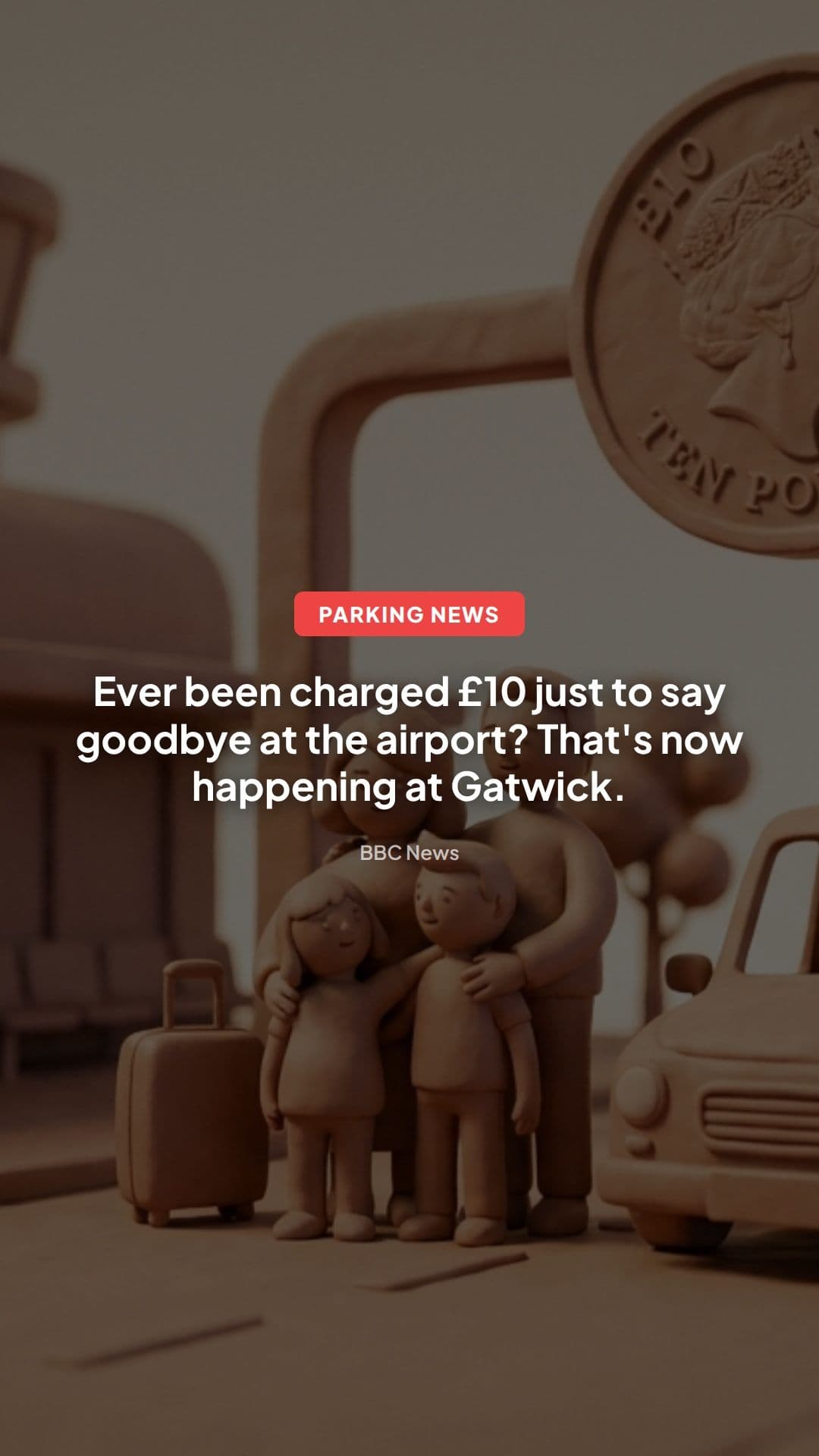
Airport Drop-Off Fees Are Soaring: Here's What's Really Going On
Picture the scene. You're running late for a flight, your passenger is flustered, the kids are fighting over who forgot their passport, and you pull up outside departures for a thirty-second goodbye. Then, weeks later, an invoice lands on your doormat demanding money you didn't know you owed, simply for stopping your car.
This is the reality facing millions of UK drivers each year, and according to fresh RAC analysis reported by the BBC, it's getting considerably more expensive. Drop-off charges at many of Britain's biggest airports have jumped by around a third, turning what used to be a minor inconvenience into a genuine cost consideration for anyone doing the school run to the terminal.
What the RAC Found
The RAC's analysis compared drop-off fees across the UK's major airports and found sharp increases at many of them. While exact rankings shift depending on the time of year and which airport you're looking at, the broader trend is unmistakable: what was once a token charge, often designed simply to manage traffic flow outside busy terminals, has become a meaningful revenue stream for airport operators.
This isn't a new phenomenon exactly. Airports began introducing drop-off charges over a decade ago, initially pitched as a way to reduce congestion and discourage drivers from loitering at terminal entrances. But the RAC's findings suggest the justification has shifted. These charges now look less like traffic management tools and more like a straightforward add-on cost, with some airports charging premium rates for even the shortest stops.
The BBC's coverage highlights the priciest offenders and, usefully, some of the ways drivers can sidestep the fees entirely. But the story raises bigger questions too, about transparency, fairness, and whether these charges are properly regulated at all.
Why This Matters More Than It Seems
At first glance, a few pounds to drop someone off might seem like small change in the context of an overall holiday budget that could run into thousands. But the cumulative effect on regular travellers, particularly business flyers, commuters using airports for onward rail connections, or families doing frequent airport runs, adds up fast.
There's also a fairness dimension. Not everyone flying from a UK airport has the luxury of choosing a flexible drop-off time or an alternative transport method. Someone catching an early morning flight with heavy luggage, an elderly relative, or a disabled passenger may have little practical choice but to be dropped directly at the terminal, incurring whatever charge applies.
This comes against a backdrop of wider frustration with parking-related costs across the UK. Airport drop-off zones sit in an unusual grey area of parking regulation. They're typically on private land controlled by the airport operator, which means they don't fall under the same council-run penalty charge notice system that governs street parking. Instead, unpaid or incorrectly paid drop-off charges are usually pursued as a breach of contract, using automatic number plate recognition cameras to identify vehicles and private parking companies to chase payment.
This matters because it changes the legal footing entirely. If you've overstayed a drop-off window or failed to pay before leaving the zone, you're not dealing with a traditional penalty charge notice issued under statute, but rather a parking charge notice issued under contract law, similar to those seen in supermarket car parks or private retail sites.
The Legal Angle: Contracts, Signage and Your Rights
Because airport drop-off zones are usually managed under private land parking rules, the same principles that apply to other private parking disputes generally apply here too. The key legal question in any dispute is almost always the same: was the driver given clear and adequate notice of the charge before they were deemed to have accepted it?
Under the guidance set out by the British Parking Association and the International Parking Community, the two main trade bodies overseeing private parking firms in the UK, operators are expected to display signage that is prominent, legible and unambiguous. If the signage at an airport drop-off zone is confusing, poorly lit, or positioned where a driver would reasonably not see it before entering, this can form a legitimate basis for challenging a charge.
The concept at play here is one of contract formation. A driver entering a drop-off zone is essentially entering into a contract with the operator, and for that contract to be enforceable, the terms need to have been communicated clearly. This is the same principle that underpins many successful appeals against unclear signage in ordinary car parks.
There's also the question of proportionality. The Consumer Rights Act 2015 requires that terms in a consumer contract must not create a significant imbalance between the parties, and unreasonably steep charges for minor infringements, such as being a few minutes over an allotted drop-off window, have been challenged on these grounds before.
It's worth being clear here: this is general information about how these disputes typically work, not a guarantee of any particular outcome. Anyone who receives a charge they believe is unfair should look at the specific signage, timings and circumstances of their own case, and if the sums involved are significant, consider seeking independent advice.
What Drivers Should Actually Do
The BBC's reporting rightly points to some practical alternatives, and it's worth expanding on these with a bit more detail.
Check for a free drop-off zone first. Many airports still operate a free zone, usually located slightly further from the terminal building than the premium paid area. It typically requires a short walk, but for anyone not carrying heavy luggage or travelling with mobility needs, it can eliminate the charge entirely.
Use the kerb, not the car park. Some airports allow a genuinely free "kiss and fly" drop directly outside terminals for a very brief window, sometimes as short as a couple of minutes. This is really only workable if your passenger can hop out immediately with their bags already sorted, but for a quick goodbye it can work.
Consider alternative drop-off methods. Rail links, coach services, and pre-booked taxis or rideshares often bypass the drop-off charge structure entirely, since they use designated pick-up and set-down areas covered under different commercial arrangements. For airports with strong public transport connections, this can end up being cheaper overall once you factor in fuel and time.
Read the terms before you arrive, not after. Most airports publish their drop-off fee structure online in advance. A quick check before setting off can avoid nasty surprises, particularly around how charges escalate if you overstay even briefly.
Keep evidence if you believe you've been charged unfairly. Photographs of signage, timestamps, and any confirmation of payment are invaluable if you need to dispute a charge later. As with many private parking disputes, the burden often comes down to what evidence each side can produce.
Don't ignore a charge notice. Even where a charge seems disputable, ignoring correspondence entirely can allow matters to escalate towards debt recovery action. Engaging with the process, even to formally challenge it, is generally the safer path.
Looking Ahead
The RAC's findings arrive at a moment when scrutiny of private parking charges across the UK is already intensifying. Regulatory reform of the private parking sector has been a live issue for several years, with ongoing government attention to capping charges and improving transparency around how they're calculated and enforced.
Airport drop-off fees sit slightly outside the mainstream of that debate, since they're often treated as a commercial transaction rather than a traditional parking penalty. But as charges climb and public frustration grows, it wouldn't be surprising to see calls for airports to be brought more clearly within the same transparency expectations that apply elsewhere in the private parking industry.
For now, the practical reality is that drivers need to do their homework before they arrive at the terminal. A charge that once felt like a rounding error is increasingly becoming a cost worth planning around, and with fees continuing to climb, that's unlikely to change any time soon.
Written by
The Parking Ticket Pal Editorial Team
Source-checked parking guidance
Ready to Challenge Your Ticket?
Let our AI analyse your PCN and generate a professional appeal letter in minutes.
Start Free Appeal