
Petrol Prices Rise: 4 Car Changes to Cut Fuel Costs
Petrol now averages 172.0p a litre and diesel 195.7p. Explore four practical car changes UK drivers can make as fuel costs add to inflation pressures.

The Parking Ticket Pal Editorial Team
21 September 2026
Petrol Prices Rise Again: What's Really Driving Up the Cost at the Pump
Filling up your car shouldn't feel like a financial event, but for millions of UK drivers, that's exactly what it's become. With average petrol now sitting at 172.0p per litre and diesel at 195.7p, the cost of simply getting from A to B is once again climbing, and it's dragging household budgets down with it.
If you've noticed your fuel bill creeping up over the past few weeks, you're not imagining it. This latest increase is part of a wider pattern that's been squeezing drivers throughout the year, and understanding why it's happening, and what you can actually do about it, matters more than ever.
What Happened
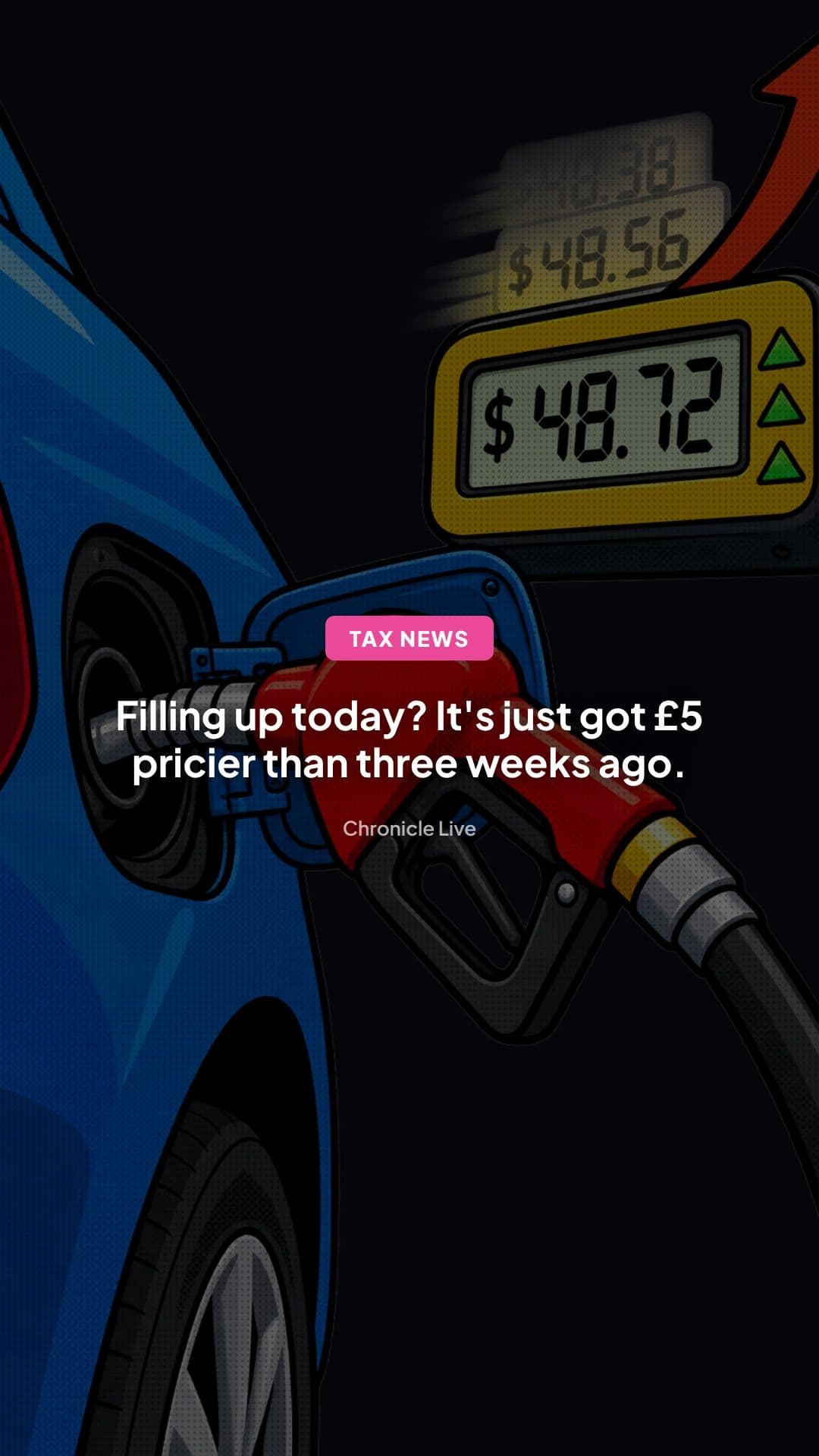
According to reporting from Chronicle Live, average petrol prices have climbed to 172.0p per litre, with diesel now averaging 195.7p. The article links this rise directly to broader inflationary pressure across the economy, and urges drivers to make four changes to their car habits to cope with the higher costs.
This isn't an isolated spike. Fuel prices in the UK have been on a rollercoaster for the past couple of years, shaped by a mix of global oil market volatility, geopolitical tension, exchange rate fluctuations, and domestic tax policy. Every time crude oil prices move on international markets, that movement eventually filters down to the number on the pump display outside your local Tesco or BP station, usually with a short delay while retailers adjust their margins.
What makes this particular rise notable is the context it sits within. Inflation has been squeezing household budgets for an extended period now, and fuel costs are one of the most visible, hard-to-avoid expenses that ordinary drivers face. Unlike many other costs, you can't simply opt out of buying petrol if you need your car for work, school runs, or caring responsibilities.
Why It Matters
Fuel isn't just a personal expense, it's a cost that ripples through the entire economy. When petrol and diesel prices rise, haulage costs increase, delivery charges go up, and businesses that rely on transport pass those costs on to consumers. In other words, higher pump prices don't just hit your tank, they quietly nudge up the price of almost everything else you buy too.
For drivers specifically, the impact is more direct and more painful. Someone doing a daily commute of 20 miles each way in an average family car could easily be spending significantly more per month than they were just a year or two ago. For those without access to public transport alternatives, particularly in rural areas, there's little choice but to absorb the cost.
There's also a fairness dimension that's worth flagging. Fuel duty, currently frozen, makes up a substantial chunk of what you pay at the pump, alongside VAT charged on top of both the fuel cost and the duty itself. That means as the underlying price of fuel rises, the amount of VAT you're paying rises too, since it's calculated as a percentage rather than a fixed amount. The Treasury effectively benefits from higher fuel prices even without changing a single tax rate. This dynamic has drawn criticism from motoring groups such as the RAC and AA, who argue that the tax structure means drivers are disproportionately exposed to global oil price swings.
It's also worth remembering that fuel retailers don't all move prices at the same time or by the same amount. Prices can vary noticeably between supermarket forecourts and motorway services, and even between neighbouring towns. That variation is precisely why price-comparison tools and apps have become so popular with cost-conscious drivers.
The Legal Angle
Fuel pricing itself isn't heavily regulated in the way that, say, parking charges or speeding penalties are, but there are legal and regulatory frameworks worth knowing about.
The Competition and Markets Authority (CMA) has taken an active interest in fuel markets in recent years, monitoring whether retailers pass on cost reductions to consumers as quickly as they pass on cost increases. This follows long-standing concerns that when wholesale prices fall, pump prices tend to come down more slowly than they go up when wholesale prices rise, a pattern sometimes referred to as "rocket and feather" pricing. The CMA has previously recommended greater price transparency, including live fuel price data that could eventually feed into satnav and app systems, making it easier for drivers to find the cheapest local fuel.
On the tax side, fuel duty is set by the Treasury and has been frozen for an extended period, a decision renewed in successive budgets partly in response to pressure from motoring organisations and backbench MPs concerned about the cost of living. However, VAT at the standard rate of 20% still applies on top, meaning that as pump prices rise, so does the actual tax take, even without any change in duty rates.
There's also a road safety and legal dimension worth considering. Higher fuel prices have, anecdotally and in various regional reports, been linked to a rise in fuel theft, including drive-offs from forecourts, an offence that can carry serious consequences under the Theft Act 1968 if pursued by police or through civil recovery by fuel retailers. Drivers who are tempted to cut corners to save money, such as running on close to empty for extended periods or overfilling in ways that risk spillage, should be aware that vehicle damage from these habits can also affect insurance claims and MOT outcomes.
What Drivers Should Know
The Chronicle Live piece points to four changes drivers are being urged to make, and while the specifics of driving style adjustments will vary by vehicle, the general principles of fuel efficiency are well established and worth reinforcing.
Plan your fuel stops strategically. Prices vary between retailers and regions, sometimes by several pence per litre. Comparing prices before you fill up, rather than defaulting to the nearest station, can add up to meaningful savings over a year.
Keep your vehicle properly maintained. Under-inflated tyres, a dirty air filter, or excess weight in the boot all increase fuel consumption. A quick check of tyre pressure against the manufacturer's recommended levels, usually found on a sticker inside the driver's door, is a simple task that can improve efficiency.
Reconsider your driving style. Harsh acceleration and braking burn noticeably more fuel than smooth, anticipatory driving. Reducing speed on motorways, even modestly, can also improve fuel economy considerably given the way aerodynamic drag increases at higher speeds.
Think about journey consolidation. Combining errands into fewer trips, rather than several short journeys, reduces the number of cold starts your engine has to make, which are among the least fuel-efficient parts of any journey.
Beyond driving habits, it's worth checking whether you're eligible for any support. Some employers offer mileage allowances that haven't kept pace with rising costs, and it may be worth raising this if your work requires significant driving. Households on lower incomes may also want to check eligibility for wider cost of living support schemes, since transport costs are increasingly factored into assessments of financial hardship.
If you're considering switching to an electric vehicle to escape pump price volatility altogether, it's worth doing the sums carefully. Public charging costs have themselves been rising, and the economics depend heavily on whether you have access to home charging at off-peak electricity rates.
Looking Ahead
Fuel prices are unlikely to settle into a predictable pattern anytime soon. Global oil markets remain sensitive to geopolitical developments, and any escalation in tensions affecting major oil-producing regions tends to feed through to UK pump prices within days or weeks. Domestically, the fuel duty freeze has provided some stability, but there's no guarantee it will be extended indefinitely, particularly given ongoing pressure on public finances.
For now, the most practical response for drivers is the same combination of vigilance and adaptation that's served motorists well through previous periods of volatility: shop around, drive efficiently, maintain your vehicle, and keep an eye on how these costs interact with other motoring expenses such as insurance, road tax, and parking charges. None of these pressures exist in isolation, and for many households, it's the cumulative effect of small increases across several areas that's proving hardest to manage.
If fuel costs are pushing you to reconsider how and when you drive, it may also be worth reviewing other areas where unnecessary charges can creep in, from unclear parking signage to poorly understood permit rules, since avoiding avoidable penalties is one of the few motoring costs that's genuinely within your control.
Written by
The Parking Ticket Pal Editorial Team
Source-checked parking guidance
Ready to Challenge Your Ticket?
Let our AI analyse your PCN and generate a professional appeal letter in minutes.
Start Free Appeal