
Petrol Prices Push Average Family Car Fill-Ups to £89
UK petrol prices have hit a near four-year high, leaving drivers facing £89 to fill an average family car—around £15 more than last September. What it means.

The Parking Ticket Pal Editorial Team
14 September 2026
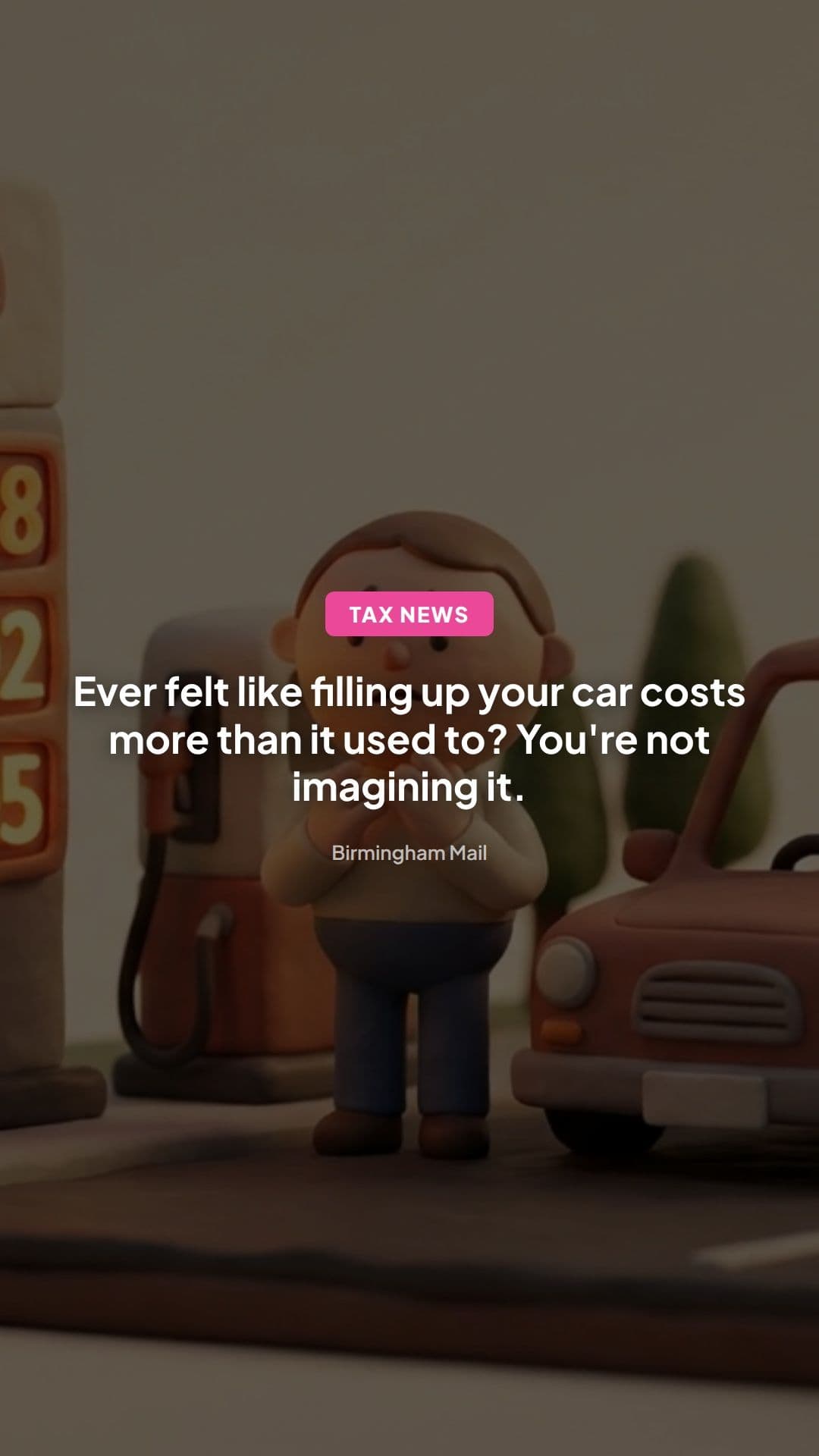
Drivers Face £89 Charge to Fill Up Average Family Cars in September
A Fill-Up That Costs More Than a Weekly Food Shop for Many
There's a particular kind of dread that comes with watching the numbers spin ever upward on a fuel pump. For millions of UK motorists, that dread has just got a lot more expensive. According to figures reported by the Birmingham Mail, average petrol prices have climbed to their highest level in almost four years, meaning it now costs roughly £89 to fill an average family car. That's around £15 more than the same fill-up cost just twelve months ago.
To put that in perspective, £15 extra per tank might not sound catastrophic in isolation. But for a household doing two or three fill-ups a month, that's an extra £30 to £45 disappearing from the monthly budget, on top of insurance, road tax, MOT costs and everything else that comes with keeping a car on the road. For families already stretched thin by the wider cost of living squeeze, this is yet another line item creeping in the wrong direction.
What's Actually Happened at the Pumps
The headline figure of £89 for an average family car fill-up reflects petrol prices reaching levels not seen in close to four years. This isn't a one-off spike caused by a single dramatic event. Instead, it's the product of several pressures building simultaneously, pushing average pump prices higher and squeezing drivers who have few alternatives but to keep filling up.
It's worth remembering that "average" hides a lot of variation. Fuel prices differ significantly depending on where you live, which retailer you use, and whether you're buying from a motorway service station or a supermarket forecourt. Rural drivers in particular tend to pay more, partly because of higher operating costs for smaller, less competitive fuel retailers and partly because there's simply less choice on the high street. A £89 average fill-up might mean £95 or more for someone living somewhere with limited competition among fuel stations.
The £15 year-on-year increase is the figure that should really catch attention. That's not a gradual creep, it's a meaningful jump within a relatively short period, and it comes at a time when many households have little financial slack left to absorb it.
Why This Matters Beyond the Petrol Station Forecourt
Fuel costs don't stay contained at the pump. They ripple outward into almost every part of the economy, and that has real consequences for ordinary drivers.
First, there's the direct hit to household budgets. Fuel is one of those unavoidable costs for anyone who relies on a car to get to work, drop children at school, or care for relatives. Unlike discretionary spending, which can be cut back, fuel spending for many people is close to fixed. When prices rise, something else in the budget has to give.
Second, higher fuel prices tend to push up the cost of goods and services more broadly. Delivery firms, tradespeople, and anyone whose business depends on driving will often pass increased fuel costs on to customers. So even non-drivers can feel the effects of rising petrol prices through higher prices elsewhere.
Third, and perhaps most significantly for policy watchers, fuel prices sit at the intersection of taxation, international oil markets, and exchange rates. A meaningful chunk of what drivers pay at the pump has nothing to do with the oil itself. It reflects duty and VAT, both of which are set by government and both of which have been the subject of ongoing debate in Westminster. When wholesale oil prices rise, or when the pound weakens against the dollar (the currency oil is typically traded in), those pressures get passed straight through to forecourts, often within days.
For drivers watching prices climb toward levels not seen in years, it's a stark reminder of just how exposed household budgets are to global energy markets that are entirely beyond their control.
The Tax and Regulatory Picture Drivers Should Understand
Fuel duty has been frozen for an extended period, a decision successive Chancellors have maintained partly because of the political sensitivity around raising costs for motorists. However, a frozen duty rate doesn't mean frozen prices. VAT is charged at 20% on both the fuel price and the duty itself, meaning that as wholesale prices rise, the amount of VAT collected on each litre rises too. In effect, the Treasury benefits from higher pump prices even without changing the headline duty rate.
There's ongoing scrutiny of how transparently fuel retailers pass through changes in wholesale costs. The Competition and Markets Authority has previously examined the road fuel market amid concerns that price reductions upstream aren't always reflected quickly at the pump, while price increases tend to filter through almost immediately. This asymmetry, sometimes referred to as "rocket and feather" pricing, has been a persistent frustration for consumer groups and motoring organisations alike.
For drivers, understanding this backdrop matters because it explains why fuel prices can feel disconnected from what's happening in wider oil markets. A modest fall in wholesale prices might take weeks to show up as a saving at the forecourt, whereas a spike can appear within days.
Practical Advice for Drivers Facing Higher Fuel Costs
While nobody can single-handedly move global oil markets, there are sensible steps drivers can take to soften the blow of rising fuel costs.
Shop around for fuel prices. Prices can vary by ten pence a litre or more between different retailers in the same town, particularly comparing supermarket forecourts with smaller independent stations or motorway services. Apps and websites that track local fuel prices can help identify the cheapest nearby option before you set off.
Time your fill-ups sensibly. Topping up when prices dip, rather than waiting until the tank is almost empty and having no choice but to pay whatever the nearest station charges, can make a genuine difference over a year.
Review your driving habits. Simple changes such as maintaining steady speeds, avoiding harsh acceleration and braking, keeping tyres properly inflated, and removing unnecessary weight from the car can all improve fuel economy meaningfully.
Consider your annual mileage and vehicle choice. For drivers doing high mileage, the maths on switching to a more fuel-efficient petrol model, a hybrid, or an electric vehicle may look increasingly favourable as petrol costs climb, though the upfront cost and charging infrastructure need weighing carefully against personal circumstances.
Keep an eye on official guidance. The RAC and AA both publish regular fuel price updates and advice, and government sources such as the Department for Energy Security and Net Zero occasionally comment on pump price trends. These aren't legal advice, but they're useful benchmarks for understanding whether local prices are in line with the national picture or whether you're being overcharged.
Watch for enforcement risks while chasing cheaper fuel. It's worth noting that some drivers, in trying to save money, take risks such as queuing awkwardly at busy petrol stations or parking in restricted areas while comparing prices nearby. This can lead to unexpected penalty charge notices, so it pays to stay alert to parking restrictions even when your mind is on saving pennies at the pump.
Looking Ahead: What This Means for UK Drivers
There's little indication that pressure on fuel prices is likely to ease dramatically in the short term. Global oil markets remain sensitive to geopolitical developments, and any further weakening of the pound against the dollar would add further strain. At the same time, the debate over fuel duty freezes versus fiscal pressures on the Treasury is unlikely to disappear, particularly as the government looks for revenue to fund public spending commitments.
For now, the practical reality for drivers is straightforward but uncomfortable: fuel is likely to remain a significant and growing item in household budgets. The £89 fill-up may not be the ceiling, and drivers who haven't already adjusted their habits, whether that's shopping around more aggressively for cheaper fuel, reconsidering unnecessary journeys, or thinking longer term about vehicle choice, may find themselves facing further squeezes in the months ahead.
What is clear is that this isn't simply a story about petrol prices. It's a story about how exposed ordinary households remain to forces well beyond their control, and how important it is to stay informed, both about fuel markets and about the wider motoring costs, from parking charges to vehicle tax, that continue to add up for UK drivers.
Written by
The Parking Ticket Pal Editorial Team
Source-checked parking guidance
Ready to Challenge Your Ticket?
Let our AI analyse your PCN and generate a professional appeal letter in minutes.
Start Free Appeal