
Petrol and Diesel Prices Hit Four-Year High: What It Costs
Petrol and diesel prices have reached a four-year high. See what RAC data means for UK drivers, family car fill-ups and the cost of motoring this autumn.

The Parking Ticket Pal Editorial Team
23 September 2026
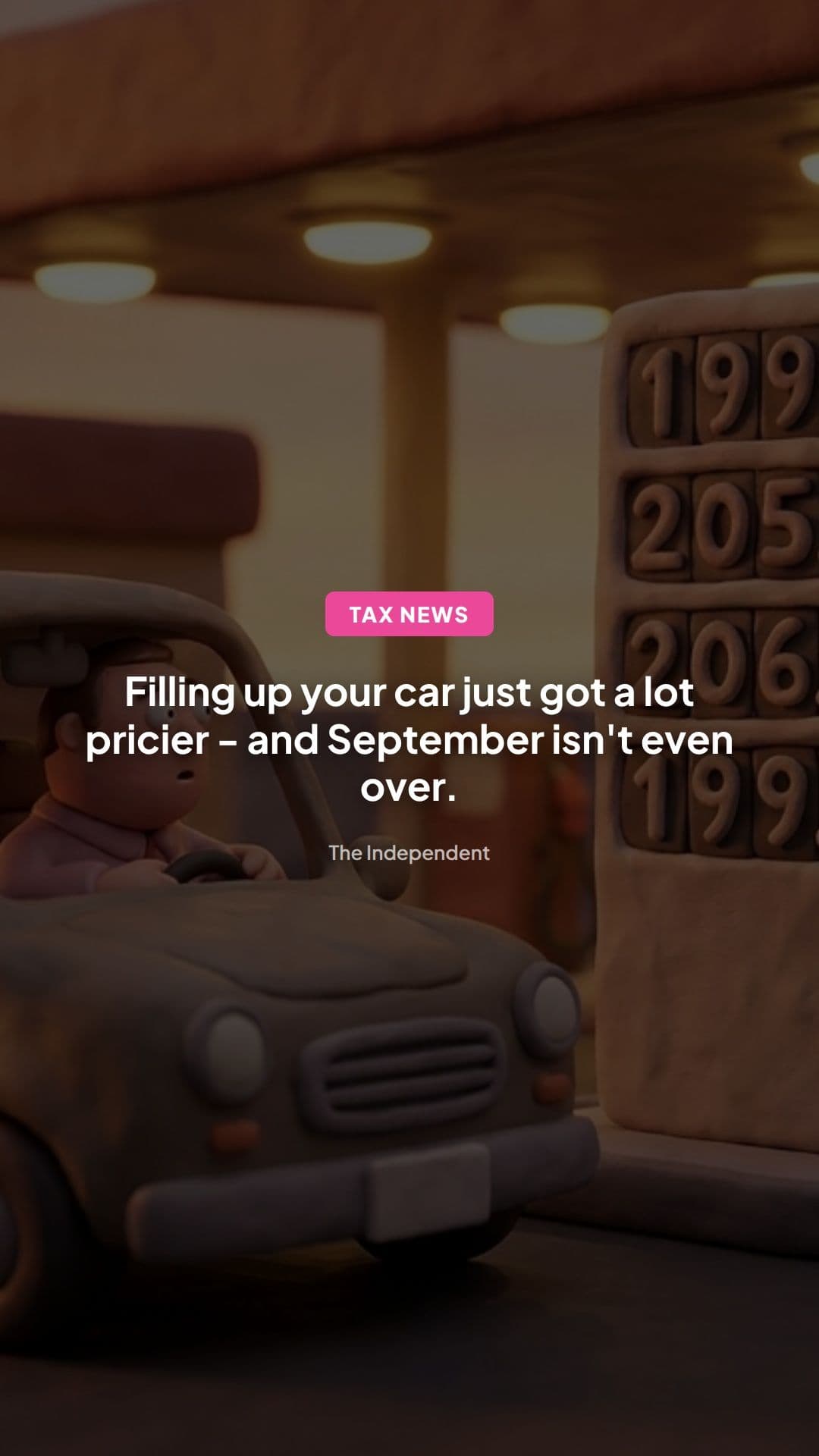
Petrol and Diesel Prices Hit Four-Year High: What's Really Driving the Cost at the Pump
Filling up your car has become a genuinely painful experience again. If you've noticed the total ticking over uncomfortably high the last time you stood at the pump, you're not imagining things. According to new RAC data, petrol and diesel prices have climbed to their highest levels in four years, and the numbers behind that headline are worth unpacking properly, because they affect almost every driver in the country whether they clock up motorway miles for work or simply do the school run.
What Happened
The RAC's fuel price tracking shows that both petrol and diesel have risen sharply enough during September to push overall costs to a four-year peak. The practical consequence for ordinary drivers is stark: filling a typical family car now costs almost £5 more than it did before this latest run of increases. That might sound modest in isolation, but £5 extra per tank, repeated week after week, adds up to a meaningful dent in household budgets, particularly for families already squeezed by other rising costs.
This isn't a one-off blip either. Fuel prices in the UK have been on a broadly upward trajectory for months, with several separate rises stacking on top of one another rather than a single dramatic spike. That's an important distinction, because a sudden shock tends to provoke a strong public reaction and often a swift explanation from retailers or the government. A slow, creeping rise is easier to overlook day to day, but it's arguably more damaging over time because it erodes disposable income without ever generating the kind of moment that forces a national conversation.
Why It Matters
Fuel costs sit at the intersection of several pressures that most drivers never see broken down. Around it are three big components: the wholesale price of crude oil and refined fuel, the retailer's margin, and government taxation in the form of fuel duty and VAT. When any one of these moves, it filters straight through to the number on the pump display, but the causes are rarely explained clearly to the public.
Wholesale costs are shaped by global oil markets, and those markets are notoriously sensitive to geopolitical instability, refinery outages, and shifts in supply from major oil-producing nations. Even events thousands of miles away can push up what a UK driver pays for a litre of unleaded within days. Retailer margins are the next piece of the puzzle, and this is an area that has attracted growing scrutiny. Watchdogs and motoring organisations have repeatedly questioned whether fuel retailers pass on savings to drivers as quickly as they pass on price rises, a pattern sometimes referred to as "rocket and feather" pricing, where costs shoot up rapidly but fall back down slowly.
Then there's tax. Fuel duty and VAT together make up a substantial proportion of the price of every litre sold in the UK. Fuel duty has been frozen for an extended period, which has provided some relief compared to what drivers might otherwise be paying, but VAT is charged at the standard rate on top of the pump price, meaning that as the underlying cost of fuel rises, the amount of VAT collected rises too. In effect, the Treasury benefits when fuel gets more expensive, even without duty rates changing at all.
For households and businesses, the knock-on effects go well beyond the forecourt. Haulage firms, delivery services, and anyone reliant on a van or car for work absorb higher fuel costs directly into their overheads, and those costs tend to filter through into the price of goods and services more broadly. This is one of the quieter mechanisms by which fuel inflation contributes to the wider cost of living, even for people who don't drive regularly themselves.
The Legal and Regulatory Angle
Unlike parking charges or penalty notices, there's no single piece of legislation that caps how much a fuel retailer can charge, and fuel pricing itself isn't something drivers can challenge through an appeals process. However, there are regulatory safeguards worth knowing about.
The Competition and Markets Authority (CMA) has an ongoing remit to monitor fuel markets and has previously investigated whether pricing practices at the pump are fair and transparent to consumers. Where retailers are found to be engaging in practices that harm competition or mislead drivers, the CMA has powers to intervene. There have also been moves towards greater price transparency, including proposals for a fuel finder scheme that would require retailers to share live pricing data, making it easier for drivers to compare prices in real time rather than relying on guesswork or driving between forecourts.
It's also worth understanding the tax framework itself. Fuel duty is set by the Treasury and has remained frozen for a considerable period, a decision that chancellors have repeatedly extended rather than allowing it to rise in line with inflation. This freeze is often cited by government as evidence of support for motorists, but critics point out that VAT, charged at 20% on the combined price of fuel and duty, means the government's tax take from fuel still increases automatically whenever wholesale prices climb. There's no legal mechanism for drivers to challenge this VAT treatment; it's simply how the tax system is structured.
None of this means drivers are without any influence. Consumer pressure and media scrutiny do appear to affect retailer behaviour over time, and organisations like the RAC and the AA regularly publish comparative data that puts pressure on the market to behave more transparently.
What Drivers Should Know
While nobody can control global oil markets or government tax policy, there are practical steps that can soften the impact of rising fuel costs.
Compare prices before you fill up. Price differences between filling stations, even within the same town, can be significant. Supermarket forecourts are often, though not always, cheaper than motorway services or standalone petrol stations, and using a fuel price comparison app before a longer journey can save a genuinely useful amount over a year.
Reconsider your driving habits. Simple changes such as reducing speed on motorways, keeping tyres correctly inflated, and removing unnecessary weight from the car can all improve fuel efficiency. Smoother acceleration and braking also make a measurable difference to consumption, particularly in urban driving.
Time your fill-ups where possible. Prices can vary not just by location but by day, and keeping an eye on RAC or AA fuel price updates can help you spot a dip before a longer trip rather than filling up at a local peak.
Factor fuel costs into vehicle decisions. For drivers considering a change of car, the gap between running costs for petrol, diesel, and electric vehicles has become an increasingly important part of the calculation, particularly as fuel prices show no sign of settling back to pre-2020 levels.
Keep an eye on tax changes. Fuel duty policy is reviewed at every Budget, and any change, whether an extension of the freeze or a reversal, has an immediate effect on pump prices. Following coverage of announcements such as the fuel duty freeze extension helps drivers anticipate rather than simply react to changes.
Looking Ahead
There's little to suggest that fuel prices are about to fall back sharply. Global oil markets remain volatile, geopolitical tensions continue to influence supply, and the underlying tax structure means that VAT revenue rises automatically with price increases, giving government less incentive to intervene aggressively. At the same time, regulatory scrutiny of the fuel retail market appears to be intensifying, with growing calls for greater pricing transparency and closer monitoring of retailer margins.
For now, the most realistic approach for drivers is a combination of vigilance and adaptability: shopping around for the best price, driving as efficiently as possible, and staying informed about the tax and policy decisions that shape what appears on the pump display. A four-year high is a significant milestone, but given the range of pressures pushing prices upward, it may not be the last one drivers see this year.
Written by
The Parking Ticket Pal Editorial Team
Source-checked parking guidance
Ready to Challenge Your Ticket?
Let our AI analyse your PCN and generate a professional appeal letter in minutes.
Start Free Appeal