PCN Code 86: Not Parked in Bay Markings (Off-Street)
Got a PCN code 86 for not parking within bay markings off-street? Learn what it means, key evidence to gather, and appeal points that work in the UK.

David Chen
2 June 2026
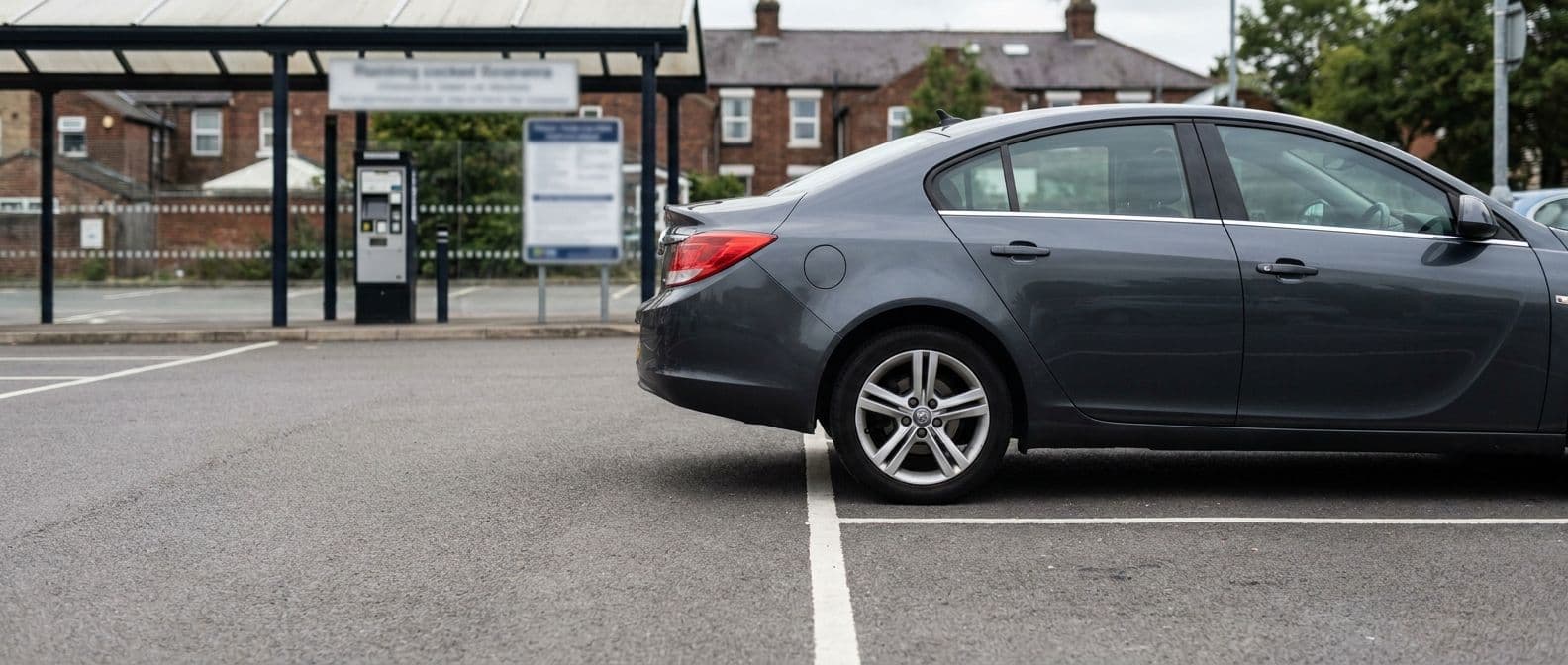
PCN Code 86: Not Parked Within Bay Markings (Off-Street)
You pull into a council car park, squeeze into what looks like a perfectly reasonable space, grab your ticket, and head off to do your shopping. An hour later, you return to find a penalty charge notice tucked under your wiper. The contravention? Code 86 — not parked correctly within the markings of the bay or space. Frustrating doesn't even begin to cover it.
Whether your car was slightly over a line, the bay markings were so faded they were practically invisible, or the space was just too narrow to park in properly, PCN code 86 catches thousands of drivers every year. The good news? It's also one of the more successfully challenged codes at tribunal — if you know what you're doing.
Here's everything you need to know.
What Exactly Is PCN Code 86?
Code 86 applies specifically to off-street parking — meaning council-operated car parks, surface-level car parks, and multi-storey facilities managed under civil parking enforcement powers. It's the off-street equivalent of code 24, which covers on-street bay marking contraventions.
The full wording of the contravention is: "Parked with one or more wheels outside the markings of the bay or space."
In plain English: your vehicle wasn't fully contained within the painted lines of the parking bay.
This might happen because:
- You misjudged the space and a tyre crossed a white line
- Another vehicle was poorly parked, pushing you out of alignment
- The bay itself was too narrow for your vehicle
- The bay markings were worn, faded, or partially obscured
- You were driving a larger vehicle (van, SUV, or estate) that barely fit
The PCN will typically be issued by a civil enforcement officer (CEO) who photographs your vehicle in the bay. Those photos are crucial — and we'll come back to why.
How Much Is the Fine?
PCN code 86 is classified as a lower-level contravention in most councils, which means:
- £50 in London (reduced to £25 if paid within 14 days)
- £25–£50 outside London, depending on the local authority
Some councils, including several London boroughs, may classify it higher depending on local Traffic Management Orders, so always check the PCN itself for the exact penalty amount.
The 14-Day Decision Window
When you receive a PCN, you have two routes:
- Pay the discounted rate within 14 days and the matter is closed
- Challenge the PCN informally within 28 days — this pauses the clock while the council considers your representation
If your informal challenge is rejected, you can then make a formal representation to the council. If that too is refused, you have the right to appeal to an independent adjudicator — the Traffic Penalty Tribunal (outside London) or London Tribunals (inside London). This stage is free to use and impartial.
Pro tip: Don't pay and then appeal. Payment is treated as an admission of liability, and you'll lose your right to challenge.
Building Your Appeal: What Evidence Actually Works
This is where most drivers go wrong — they write in saying "I was only slightly over the line" without any supporting evidence. That's rarely enough. Here's what gives your appeal real weight.
1. Defective or Faded Bay Markings
This is the strongest ground for appeal. If the bay markings were so worn that a reasonable driver couldn't clearly identify the boundary of the space, the council has a duty to maintain them to a standard that makes enforcement fair.
What to do: Return to the car park as soon as possible and photograph the bay from multiple angles. Show the faded paint, cracks, or gaps in the lines. Compare them to adjacent bays if those are clearer. Courts and tribunals have consistently found in favour of drivers where markings were demonstrably unclear.
2. The CEO's Own Photographs
When you request the council's evidence pack (which you're entitled to do), you'll receive the enforcement officer's photographs. Study them carefully:
- Do they actually show a wheel outside the bay line?
- Is the angle misleading or ambiguous?
- Do they show other vehicles parked in a way that would have forced you out of position?
Adjudicators have overturned PCNs where photographic evidence was inconclusive or where it was clear a neighbouring vehicle was the root cause of the misalignment.
3. Bay Width vs. Vehicle Width
Some older car parks — particularly those built in the 1970s and 80s — have bays that are simply too narrow for modern vehicles. The current recommended bay width is 2.4 metres, but many older facilities fall below this.
If you were driving a vehicle wider than average (a large SUV, a van, a pickup truck), and the bay was substandard in width, this is a legitimate mitigating factor. Measure the bay if you can, and note your vehicle's dimensions.
4. Obscured Markings at Time of Parking
Was the car park wet, muddy, or covered in leaves when you parked? Seasonal debris, standing water, or even poor lighting in a multi-storey can make bay lines genuinely invisible at the time of parking. Photographs taken shortly after, or even weather records for that day, can support this argument.
5. No Signage Explaining Bay Requirements
In some cases, particularly in smaller or older council car parks, there may be inadequate signage explaining the requirement to park within bay markings. While this is a harder argument to win, it can be combined with other grounds to strengthen your overall representation.
Real-World Scenarios Where Appeals Succeed
Scenario A: A driver parks in a bay in a council car park in Leeds. The lines on one side of the bay are almost completely worn away. The CEO photographs the vehicle, but the image shows only one faded stripe. The driver returns, photographs the bay, and submits the evidence with their informal challenge. The council cancels the PCN.
Scenario B: A driver in a London borough parks their large estate car in a bay. An adjacent vehicle is parked over the line, pushing the driver's car out of alignment. The CEO's own photographs — obtained in the evidence pack — clearly show the neighbouring vehicle straddling the bay line. The adjudicator finds in the driver's favour.
Scenario C: A driver challenges a code 86 PCN on the basis that the bay was too narrow for their vehicle. Without photographic evidence of the bay dimensions or their vehicle's width, the council upholds the PCN. The lesson: evidence is everything.
Common Mistakes That Sink Appeals
- Waiting too long — evidence degrades, markings get repainted, and time limits expire
- Paying the reduced penalty before deciding whether to challenge
- Submitting a vague appeal without photographs or specific grounds
- Not requesting the council's evidence pack — you're entitled to this, and it often contains the ammunition you need
- Ignoring the PCN entirely — this leads to a Notice to Owner, then a charge certificate, then a debt being registered with the county court
Your Actionable Next Steps
If you've received a PCN code 86, here's exactly what to do:
- Don't pay yet — decide whether you have grounds to challenge first
- Return to the car park immediately and photograph the bay from every angle
- Note the bay number, car park name, and council responsible
- Check the PCN for the 14-day and 28-day deadlines
- Write an informal challenge to the council, attaching your photographs and explaining your grounds clearly
- Request the council's evidence pack as part of your challenge
- If rejected, escalate to formal representation — and if that fails, take it to the independent tribunal
The tribunal process is free, impartial, and increasingly driver-friendly when the evidence supports a genuine case. Councils know this, which is why many PCNs are cancelled at the informal stage when a well-evidenced challenge lands on a caseworker's desk.
PCN code 86 might look like an open-and-shut case — you were over the line, end of story. But parking enforcement isn't quite that simple. Councils have obligations too: to maintain clear markings, to provide adequate bay sizes, and to prove their case with solid photographic evidence. When they fall short on any of those fronts, you have every right to push back.
Written by
David Chen
Consumer Rights Expert
Ready to Challenge Your Ticket?
Let our AI analyse your PCN and generate a professional appeal letter in minutes.
Start Free Appeal