PCN Code 31 Box Junction: Defences & Evidence to Win
Got a PCN code 31 for entering a box junction when prohibited? Learn the legal test, common defences, CCTV evidence tips and how to appeal in England & Wales.

Grace O'Sullivan
16 May 2026
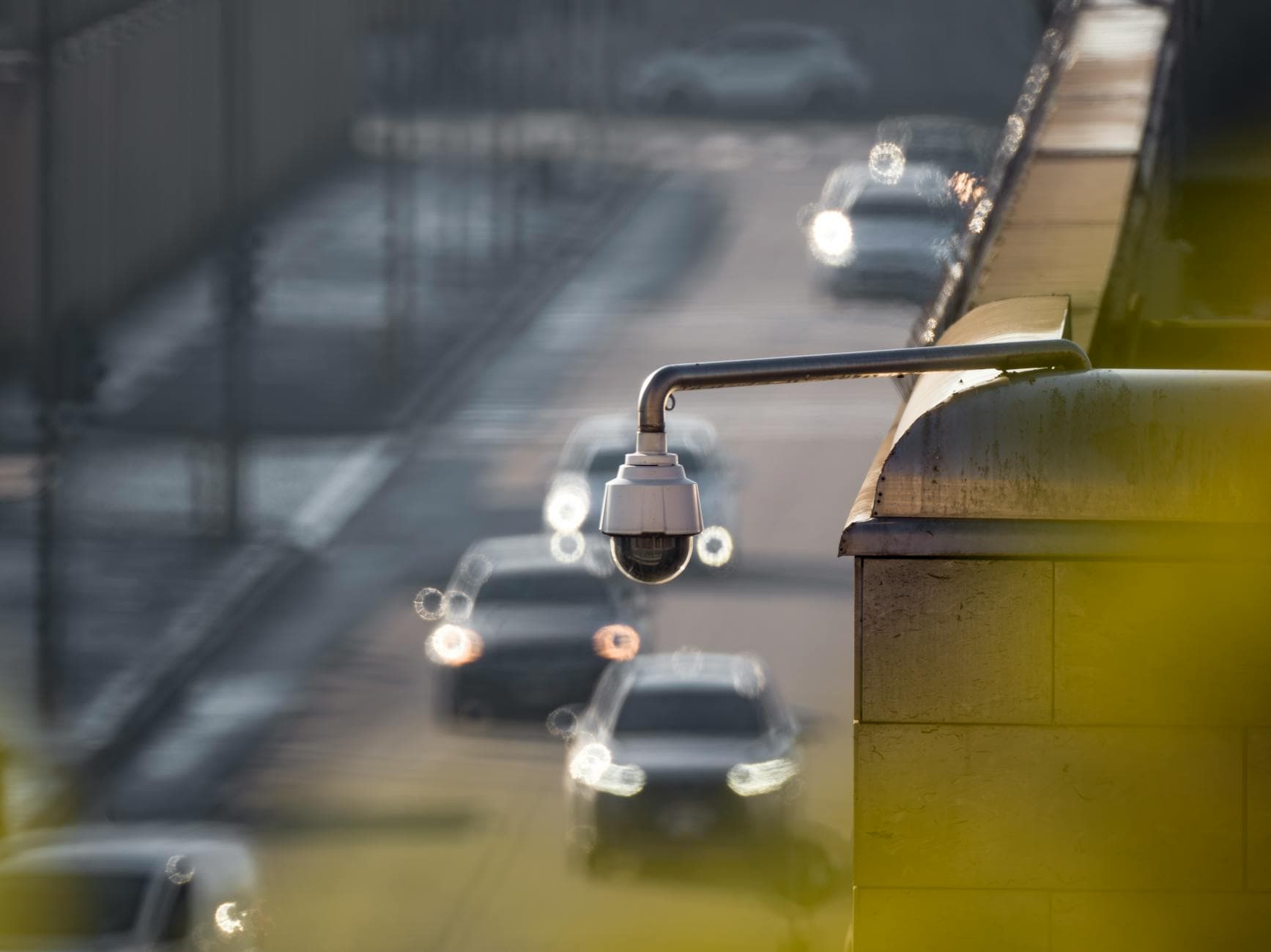
PCN Code 31: How to Fight a Box Junction Fine and Actually Win
You're driving through London — or any busy UK town, for that matter — traffic grinds to a halt, you edge forward into the yellow hatching, and then… nothing. You're stuck. A few days later, a Penalty Charge Notice drops through your letterbox. Contravention code 31: entering a box junction when prohibited.
It stings. Especially when you genuinely felt you had no choice. The good news? Code 31 PCNs are among the more successfully challenged fines in England and Wales — if you know what evidence to gather and what arguments to make. Let's break it all down.
What Is PCN Code 31?
Contravention code 31 covers entering a yellow box junction when your exit is not clear. Box junctions — those criss-cross yellow grids painted on the road — exist to keep traffic flowing through busy intersections. The rule is simple in theory: you must not enter the box unless your exit road is clear.
The legal basis sits under the Traffic Management Act 2004 and the Traffic Signs Regulations and General Directions 2016 (TSRGD). In London, enforcement is carried out by Transport for London (TfL) and individual London boroughs. Outside London, it's handled by local councils with civil enforcement powers — though box junction enforcement outside the capital is far less common.
The fine is typically £130 in London (reduced to £65 if paid within 14 days) and £70 elsewhere (reduced to £35). These aren't small amounts, which makes understanding your options absolutely worth the effort.
The Legal Test: What Councils Must Prove
Before you even think about your defence, understand what the issuing authority has to establish:
- There is a lawfully marked and maintained box junction at the location
- Your vehicle entered the box
- Your exit was not clear at the point of entry
- The contravention was captured on CCTV or camera evidence
That third point is where many appeals succeed or fail. The question isn't whether you got stuck in the box — it's whether your exit was clear when you entered. If it was clear when you moved forward, but traffic then unexpectedly stopped, that's a very different situation legally.
Common Defences That Actually Work
1. Your Exit Was Clear When You Entered
This is the strongest defence available. If you can show — through dashcam footage, witness statements, or by picking apart the council's own CCTV — that your exit road was clear when your front wheels crossed the box marking, the PCN should be cancelled.
The key word is when. Traffic conditions can change in seconds. If a vehicle in front braked suddenly and unexpectedly, that's not the same as you entering a blocked junction.
Pro tip: If you have a dashcam, download the footage immediately. Many cameras overwrite automatically. Even a few seconds of footage showing a clear exit at the point of entry can be decisive.
2. Turning Right — The Exception in the Rules
Here's something many drivers don't know: you *are* allowed to enter a box junction when turning right, even if the exit isn't clear — as long as you're only waiting for a gap in oncoming traffic or for pedestrians to clear.
The TSRGD is explicit on this. If you were turning right and entered the box to wait for oncoming traffic, that's lawful. If the council's PCN doesn't account for this and simply shows you stationary in the box, challenge it immediately.
3. Defective or Unclear Box Markings
If the yellow lines are faded, incomplete, or poorly maintained, this can undermine the council's case. Enforcement relies on the markings being clear and legally compliant. Take photographs of the junction as soon as possible after receiving the PCN. If the paint is worn, patchy, or partially obscured by road debris, include those images in your appeal.
4. Signage Issues
While box junctions don't require additional signs to be legally enforceable (the markings themselves are the legal notice), there are situations — particularly where unusual or complex junctions are involved — where the layout may be confusing or misleading. Document everything.
5. Emergency or Exceptional Circumstances
Were you directed into the box by a police officer? Did you enter to allow an emergency vehicle to pass? Did a sudden medical emergency occur? These are mitigating circumstances that councils and tribunals take seriously. They won't always result in cancellation, but they're absolutely worth raising — and in genuine cases, often succeed.
Dissecting the CCTV Evidence
When you receive your PCN, you have the right to request the CCTV footage used as evidence. Do this early. Most councils will provide it on request, and reviewing it carefully is essential.
When watching the footage, look for:
- The exact moment your vehicle enters the box — is the exit clear?
- How many frames or seconds pass between entry and the exit becoming blocked
- Whether you were turning right and waiting for oncoming traffic
- The quality and angle of the footage — poor resolution or obscured sightlines can weaken the council's case
- Whether the full sequence is shown — councils must provide continuous footage, not cherry-picked clips
Pro tip: Councils sometimes issue PCNs based on a single still image. A still showing you in the box tells you nothing about whether the exit was clear on entry. Always request the full video sequence and challenge any PCN based solely on photographic evidence.
How to Appeal a Code 31 PCN: Step by Step
Step 1 — Informal Representation (within 14 days)
Write to the council within 14 days of the PCN issue date. This keeps the reduced penalty available and lets you make your case before a Notice to Owner is issued. Be clear, factual, and attach any evidence — dashcam screenshots, photographs, witness statements.
Step 2 — Formal Representation
If the informal appeal is rejected, you'll receive a Notice to Owner. You then have 28 days to make a formal representation. This is a more structured process and the council must respond in writing with reasons if they reject it.
Step 3 — Independent Tribunal Appeal
If formal representation fails, you can appeal to the Traffic Penalty Tribunal (outside London) or London Tribunals (within the capital). These are independent bodies, free to use, and their adjudicators are not employed by councils. Success rates at tribunal for well-evidenced box junction appeals are genuinely encouraging — don't be put off by a council rejection at stage one or two.
What London Boroughs and TfL Look For
TfL and London boroughs enforce box junctions heavily — some junctions generate thousands of PCNs annually. Boroughs like Barnet, Bexley, and Waltham Forest have well-documented enforcement histories at specific junctions.
Councils will typically review:
- Whether the footage clearly shows the exit was blocked before you entered
- Whether you were turning right (which changes everything)
- Whether the markings were legally compliant at the time
TfL adjudicators at London Tribunals have cancelled PCNs where footage was ambiguous, where right-turn exceptions applied, or where box markings were found to be deficient.
Your Action Plan
If you've received a code 31 PCN, here's what to do right now:
- Note the date — you have 14 days for the reduced rate and to make an informal challenge
- Secure your dashcam footage before it's overwritten
- Request the CCTV evidence from the council immediately
- Photograph the junction — markings, sightlines, any signage
- Identify your defence — was your exit clear? Were you turning right?
- Write your informal representation — factual, evidenced, and specific
- Don't pay if you have a genuine case — paying is an admission of liability
Box junction PCNs feel unfair precisely because they often happen in split-second, unpredictable traffic situations. The law recognises this — and so do independent tribunals. With the right evidence and a clear argument, code 31 is one of the more winnable PCNs out there.
Written by
Grace O'Sullivan
Municipal Enforcement Expert
Ready to Challenge Your Ticket?
Let our AI analyse your PCN and generate a professional appeal letter in minutes.
Start Free Appeal