Online tribunal hearings for PCN appeals: UK guide
Facing an online tribunal hearing for a parking or traffic PCN? Learn what happens, how to submit evidence, and key tips to win your UK appeal.

Kwame Asante
25 April 2026
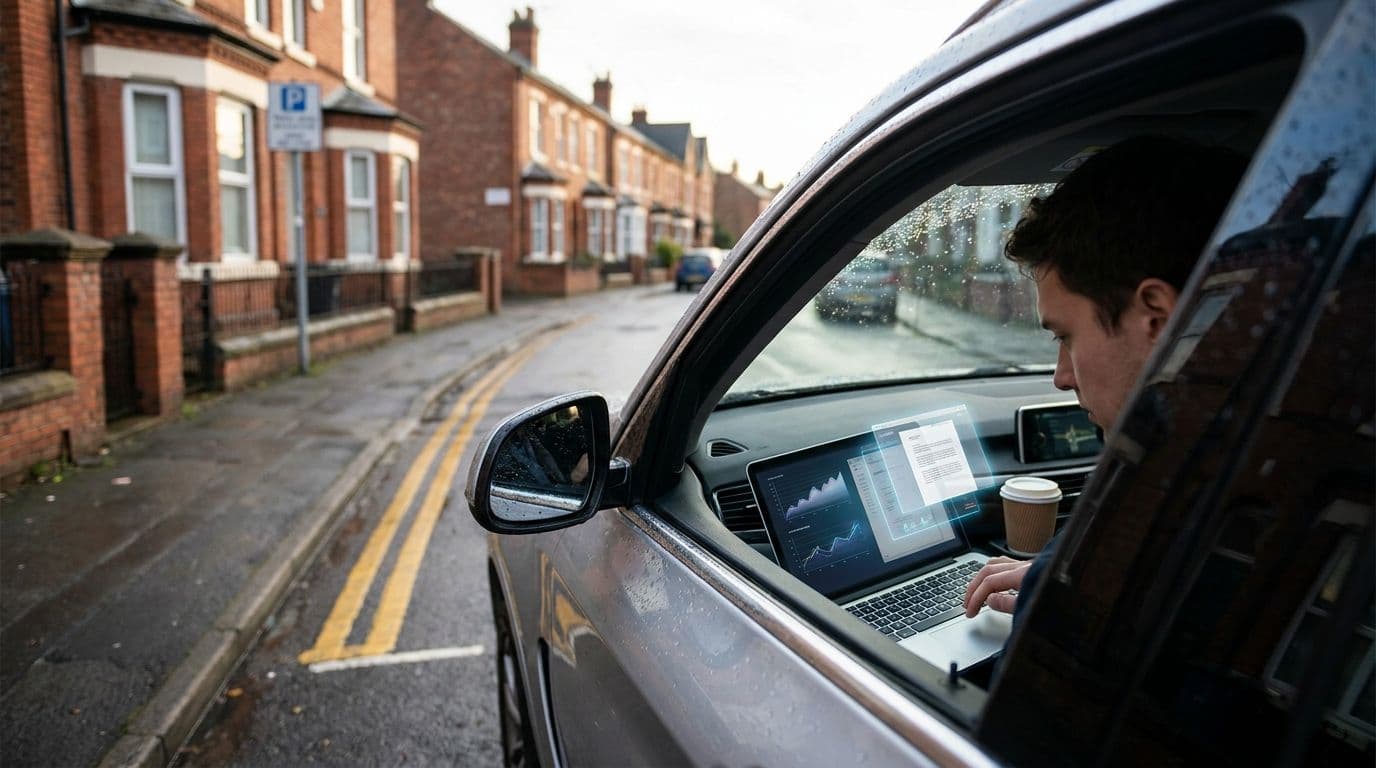
Online Tribunal Hearings for PCN Appeals: Your Complete UK Guide
So you've challenged your parking or traffic PCN, the council hasn't backed down, and now you're facing an actual tribunal hearing. Maybe you're picturing a formal courtroom, a stern adjudicator peering over their glasses, and you fumbling through a stack of papers. Here's the good news: online tribunal hearings are far less intimidating than that — and with the right preparation, they can be your best shot at getting that fine cancelled.
This guide walks you through exactly what to expect, how to prepare, and what gives you the best chance of winning.
What Is an Online Tribunal Hearing?
When your formal representation to a council is rejected, you have the right to appeal to an independent tribunal. In England outside London, that's the Traffic Penalty Tribunal (TPT). In London, it's London Tribunals. Both are completely independent of councils — adjudicators have no interest in the council winning.
Historically, hearings meant travelling to a venue. These days, the vast majority of PCN appeals are decided on written evidence alone, but you can specifically request a hearing if you want to argue your case directly. That hearing will almost always take place online — either by video or telephone.
These aren't informal chats. They're legally binding proceedings. The adjudicator's decision is final (short of a very limited review process), and councils must comply.
Video Hearing vs Telephone Hearing: What's the Difference?
You'll typically be offered a choice between a video hearing and a telephone hearing. Here's how they compare:
Video hearings:
- Conducted via a secure platform (usually Microsoft Teams or a bespoke tribunal system)
- You can see the adjudicator and share documents on screen
- Better for complex cases where visual evidence matters — photos of signs, road markings, or bay lines
- More formal in feel, but still conducted from home
Telephone hearings:
- Simpler setup — just a phone call at a scheduled time
- Useful if your case is straightforward or you're not comfortable with video technology
- Evidence must be submitted in advance since you can't share screens
Pro tip: If your appeal relies heavily on photographic evidence — unclear signage, faded bay markings, obstructed lines of sight — opt for the video hearing. Being able to point to specific details in real time is a genuine advantage.
How to Request an Online Hearing
When you submit your appeal to the TPT or London Tribunals, you'll complete an online appeal form. There's a section where you can indicate whether you want a hearing or prefer a decision on written representations.
Select "I want a hearing" and choose your preferred format. You'll then receive a notice with your scheduled date and time, along with joining instructions. London Tribunals typically gives a few weeks' notice; the TPT may vary by case volume.
Don't miss the hearing date. If you can't attend, contact the tribunal as early as possible to request a postponement. Failing to show up without notice usually means the case is decided in the council's favour by default.
Submitting Evidence Before Your Hearing
This is where many appellants let themselves down. The tribunal won't accept last-minute evidence dumped into the chat on the day. You need to submit everything in advance, by the deadline stated in your hearing notice — typically 7–14 days beforehand.
What to include in your evidence bundle:
- Your original PCN — so the adjudicator has the full details
- Photographs — of the location, signs, road markings, or anything relevant to your argument
- Any payment records — receipts, bank statements, app screenshots if you're disputing a payment issue
- Witness statements — written accounts from anyone who was present
- Maps or street view images — useful for demonstrating sign placement or obstruction
- Any correspondence with the council — their rejection letter, your representations
Upload everything clearly labelled. Adjudicators review dozens of cases — a well-organised bundle with a clear contents page makes your case easier to follow and harder to dismiss.
Pro tip: Write a short covering statement of no more than one page summarising your main argument. Don't assume the adjudicator will piece it together themselves — lead them to your conclusion.
What Actually Happens at the Hearing
Here's a typical sequence for an online PCN tribunal hearing:
- The adjudicator opens the session and confirms your identity and the PCN reference
- You're asked to summarise your grounds of appeal — keep this concise and focused
- The council's case is considered — usually their written representations and CCTV or photographic evidence submitted beforehand
- The adjudicator may ask you questions — these are clarifying, not adversarial
- You may respond to the council's evidence if there's anything you want to address
- The adjudicator gives their decision — often at the end of the hearing itself, though sometimes reserved for a written decision shortly after
The whole process usually takes 20–40 minutes for a straightforward case. More complex matters might run longer.
You don't need to be a lawyer. Adjudicators are experienced at working with members of the public, and they'll guide the process. Speak clearly, stick to the facts, and don't get drawn into emotional arguments about how unfair the council is — adjudicators decide on law and evidence, not sympathy.
Common Winning Arguments at Tribunal
Understanding what actually works can sharpen your preparation considerably. Successful appeals often come down to:
- Inadequate or obscured signage — if the restriction wasn't clearly communicated, the PCN may not stand
- Procedural errors by the council — incorrect PCN codes, wrong vehicle details, or failures to follow statutory timelines under the Traffic Management Act 2004
- Payment made but not recorded — technical failures with PayByPhone, RingGo, or council machines
- Exemptions that apply — loading/unloading, blue badge use, emergency circumstances
- Bay markings that don't meet legal standards — faded lines or markings that don't comply with the Traffic Signs Regulations and General Directions 2016
Bring evidence for whichever of these applies. Assertion without evidence rarely succeeds.
Practical Tips for the Day
- Test your technology the day before — check your camera, microphone, and internet connection
- Find a quiet space — background noise and interruptions undermine your credibility
- Have your evidence open on a second screen or printed in front of you
- Dress reasonably — you don't need a suit, but appearing on camera in pyjamas doesn't set the right tone
- Take notes during the hearing, especially if the adjudicator asks you to clarify anything
- Don't interrupt — wait for the adjudicator to finish before responding
After the Decision
If you win, the council must cancel the PCN. If you've already paid, you're entitled to a full refund. The council has no further right of appeal against the adjudicator's decision.
If you lose, you'll receive written reasons. You can apply for a review of the decision, but only on very limited grounds — for example, if there was a procedural error or new evidence that couldn't reasonably have been submitted earlier. This isn't a second appeal on the merits.
Your Next Steps
- Decide whether you want a hearing — if your case is complex or evidence-heavy, request one
- Choose video or telephone based on the nature of your evidence
- Build your evidence bundle early and submit it by the deadline
- Prepare a short, clear summary of your argument
- Test your tech and set up a quiet space for the hearing day
- Stay calm and factual on the day — adjudicators respect clear, evidence-based arguments
An online tribunal hearing isn't something to fear. It's your opportunity to put your case directly to an independent decision-maker who has no stake in the outcome either way. Go in prepared, and you give yourself a real chance.
Written by
Kwame Asante
Community Rights Advisor
Ready to Challenge Your Ticket?
Let our AI analyse your PCN and generate a professional appeal letter in minutes.
Start Free Appeal