
New Private Parking Code: Will Charges Finally Be Fair?
Could a proposed private parking code curb excessive PCNs? We examine £100 caps, £20 appeal reductions, early-payment discounts and cancellation rights.

The Parking Ticket Pal Editorial Team
22 November 202611 min read
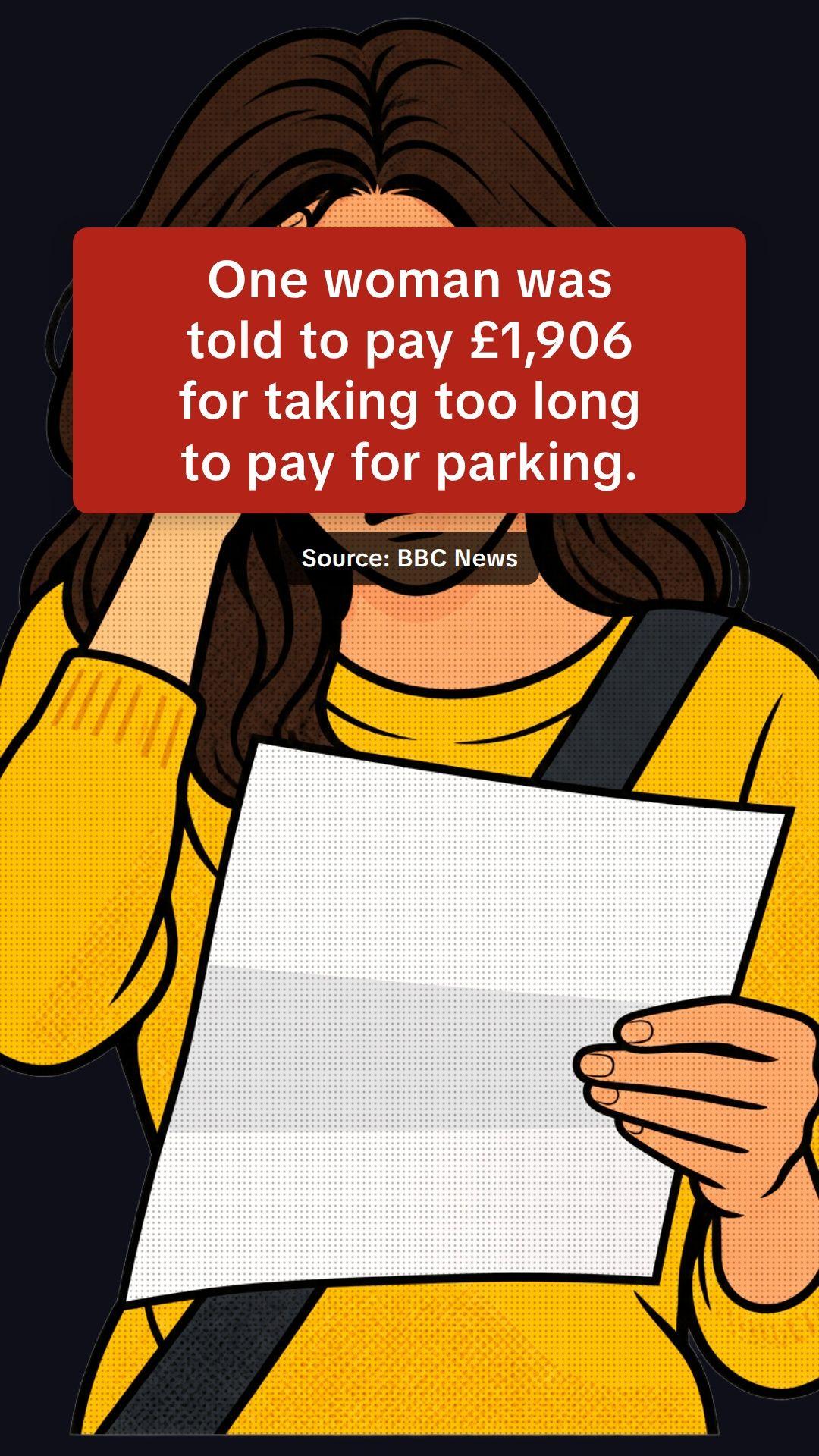
Most drivers know the feeling. You pop into a retail park for ten minutes, get delayed by a queue or a dodgy payment screen, and a few weeks later a letter lands asking for £100. Add a debt recovery letter or two, and the sum can climb well beyond that.
The BBC has asked whether a proposed private parking code could finally draw a line under what critics call "rip-off parking charges". It is a fair question, and the answer is more nuanced than a headline can carry. Here is what is on the table, what it would mean in practice, and what drivers should be doing in the meantime.
What has been proposed
According to the BBC's report, the proposed code would:
- Cap most private parking charges at £100
- Offer a lower amount for early payment
- Reduce some appealed charges to £20
- Allow cancellations in certain circumstances, including illness and vehicle breakdowns
Those four points sound simple, but each deserves unpicking. The report summary does not give every detail, such as exactly which charges fall outside the £100 cap, how the early-payment figure is set, or which appealed charges qualify for £20. Those details matter enormously, and they will be in the final wording of the code rather than the press coverage.
Why this is happening now
Private parking firms operate under a patchwork of industry rules. Operators who want access to DVLA keeper data must belong to an accredited trade association, currently the British Parking Association (BPA) or the International Parking Community (IPC), and follow its code of practice. Those codes differ in places, and so do their appeals services. If you want the background, our comparison of BPA versus IPC membership explains the split.
Parliament tried to replace that with a single, government-backed approach. The Parking (Code of Practice) Act 2019 requires a statutory code of practice for private parking operators. A draft was published and then withdrawn in 2022, and the process has been revisited since. The proposals now being discussed are the latest attempt to land something that is both workable and defensible.
The motivation is not hard to find. Private parking tickets are issued in the millions, and the volume of complaints about signage, ANPR errors and aggressive debt collection has kept pressure on ministers. If you want a sense of the scale, our piece on private parking court claims rising is a good companion read.
The £100 cap: helpful, but read the small print
A £100 cap sounds like a ceiling that protects drivers from runaway charges. In reality, £100 is already the figure most operators issue for ordinary breaches, so the headline cap may feel less dramatic than it sounds.
The real question is what sits around it.
1. Add-ons. Under the current industry setup, operators have been able to add a debt recovery fee on top of the original charge, which is how a £100 ticket can become £170. Whether and how the new code constrains those extras is a key test of whether it ends "rip-off" practice or simply tidies it. A cap that only applies to the original charge while leaving room for escalating add-ons would be much weaker than it appears.
2. "Most" charges. The BBC summary says the cap applies to most charges. That wording implies exceptions. Higher figures could be permitted for certain categories of breach, and drivers should expect the final text to define them.
3. Legal footing. The courts have already said that a parking charge can be enforceable even when it exceeds the cost of the parking itself. In ParkingEye v Beavis [2015] UKSC 67, the Supreme Court upheld a £85 charge at a retail car park, finding that the operator had a legitimate interest in managing the space and that the charge was not an unenforceable penalty in that context. A government-set cap does not overturn that case, but it does put a clearer ceiling on what operators can reasonably claim going forward.
The early-payment discount and the £20 figure
Many operators already offer a reduced amount if you pay within about two weeks, often £60 on a £100 charge. The proposed code would set what that discount looks like across the industry. For drivers, uniformity is the real benefit. At present the rules you face depend on which trade body the operator belongs to.
The reduction of some appealed charges to £20 is the more intriguing part. The BBC summary does not say exactly which appeals this covers, and it would be unwise to guess. But the principle is worth noting. At present, an unsuccessful appeal can leave a driver feeling there is no downside to the operator pressing on and every downside to the motorist for having challenged. A lower charge in certain appealed cases would reduce the sense of being penalised for exercising a right.
Treat this as a detail to verify once the final code is published, rather than something to rely on today.
Cancellations for illness and breakdowns
This is arguably the most human part of the proposal. Anyone who has seen a driver hit with a charge after an emergency stop will understand why it matters. A driver taken ill, or whose vehicle breaks down, may overstay or stop where they should not, through no real fault of their own.
Many operators already use discretion in such cases, but it is inconsistent. Writing recognised circumstances into a code would turn goodwill into a framework. Two practical points follow:
- Evidence will matter. A breakdown recovery receipt, a garage invoice, a hospital letter or a GP note will be far more persuasive than an unsupported account. Cancellation "in certain circumstances" implies conditions, and drivers should expect to prove their case.
- Privacy still counts. If you need to share medical information, send only what is needed to show what happened. You do not have to hand over a full medical history.
We have covered real-world examples of this kind of appeal in our piece on a £100 parking fine after a dog owner's vet emergency.
The legal angle: what the code can and cannot do
It helps to be clear about the legal machinery, because it determines how far the code can reach.
Private parking is contract and civil law, not criminal law. A private operator is not issuing a fine. It is claiming a contractual charge for breach of the terms displayed on the signs, and any dispute is a civil matter. That is why you see "parking charge notices" rather than "penalty charge notices", which are the council-issued tickets governed by traffic law. Our guide to council PCNs versus private charges covers the difference.
Keeper liability comes from statute. Schedule 4 of the Protection of Freedoms Act 2012 allows operators to pursue the registered keeper if the driver is not identified, provided strict conditions are met, including requirements on notices and timings. The new code is designed to sit alongside that framework rather than replace it. Operators who ignore the rules can be vulnerable on appeal.
A code is not a cap in the Act itself. The 2019 Act provides for a code of practice, and the detail of charge levels, appeals and conduct lives in that code. How strongly it can be enforced against operators who breach it will be a major factor in whether drivers see any real change. A code with weak consequences for breaches could underwhelm.
Appeals. The 2019 Act envisages an independent appeals service. Today drivers use POPLA (for BPA members) or the IAS (for IPC members). If you are unsure how this works, see our step-by-step POPLA guide. The detail of any single replacement service, and how it interacts with the £20 figure, is something to watch.
What drivers should do now
The code is a proposal. Until it is finalised and in force, the current rules and the existing trade body codes still apply. In the meantime:
- Photograph everything. Take pictures of the signs at the entrance and around the bay, the bay markings, the payment machine and your vehicle. Unclear or hidden terms are among the most common grounds for challenge.
- Keep payment evidence. Save app receipts, bank entries and any screenshot of an error message. If a machine or app failed, note the time and what happened.
- Do not ignore letters. Ignoring a notice does not make it vanish, and the later stages can add costs. Equally, you do not need to admit who was driving. Respond sensibly and in writing.
- Mind the deadlines. Early-payment discounts and appeal windows are time-limited. Check the dates on the notice as soon as it arrives.
- Appeal on the facts. Stick to what happened and what the evidence shows. Emotional language rarely helps, whereas a clear timeline does.
- Keep records of emergencies. If illness or a breakdown caused the problem, collect the paperwork straight away, because it is much harder to track down months later.
If the sums are large, the dispute is complex or you receive court papers, consider free advice from a source such as Citizens Advice, or speak to a qualified solicitor. Do not ignore a county court claim form, because deadlines are short.
Will it end "rip-off" charges?
Probably not on its own, but it could shift the balance.
The proposals address real pain points: runaway add-on costs, inconsistent discounts, harsh treatment of genuine emergencies and the perception that appealing is risky. If the final code is clear and enforced with teeth, drivers could see fewer disputes and fairer outcomes.
But much depends on what we do not yet know. A cap with large exceptions, vague cancellation criteria or weak sanctions for operators who break the rules would leave plenty of scope for the problems drivers complain about. Signage standards, ANPR accuracy and the conduct of debt collectors also all need to be covered, not just the headline sum.
Looking ahead
Keep an eye on three things: the final wording of the code, the date it takes effect, and how disputes are handled once it does. The BBC's report is a useful signpost, but the real test will be the detail.
For now, treat the proposals as a sign of where the rules are heading rather than a guarantee. Drivers who keep good evidence, respond on time and know their rights will be best placed whatever the final code says. The cap may be £100, but the best protection is still a well-documented case.
This article is general information about UK parking and motoring rules and is not legal advice. For official guidance, check GOV.UK, and seek professional advice if your case involves significant sums or court proceedings.
Written by
The Parking Ticket Pal Editorial Team
Source-checked parking guidance