
New Police Powers: When Your Car Can Be Seized Instantly
Police can now seize vehicles immediately for anti-social or dangerous driving. Find out how the new powers work, who is at risk and what UK drivers can do.

The Parking Ticket Pal Editorial Team
20 September 2026
Police Warn Drivers as New Law Allows Them to Seize Cars on the Spot
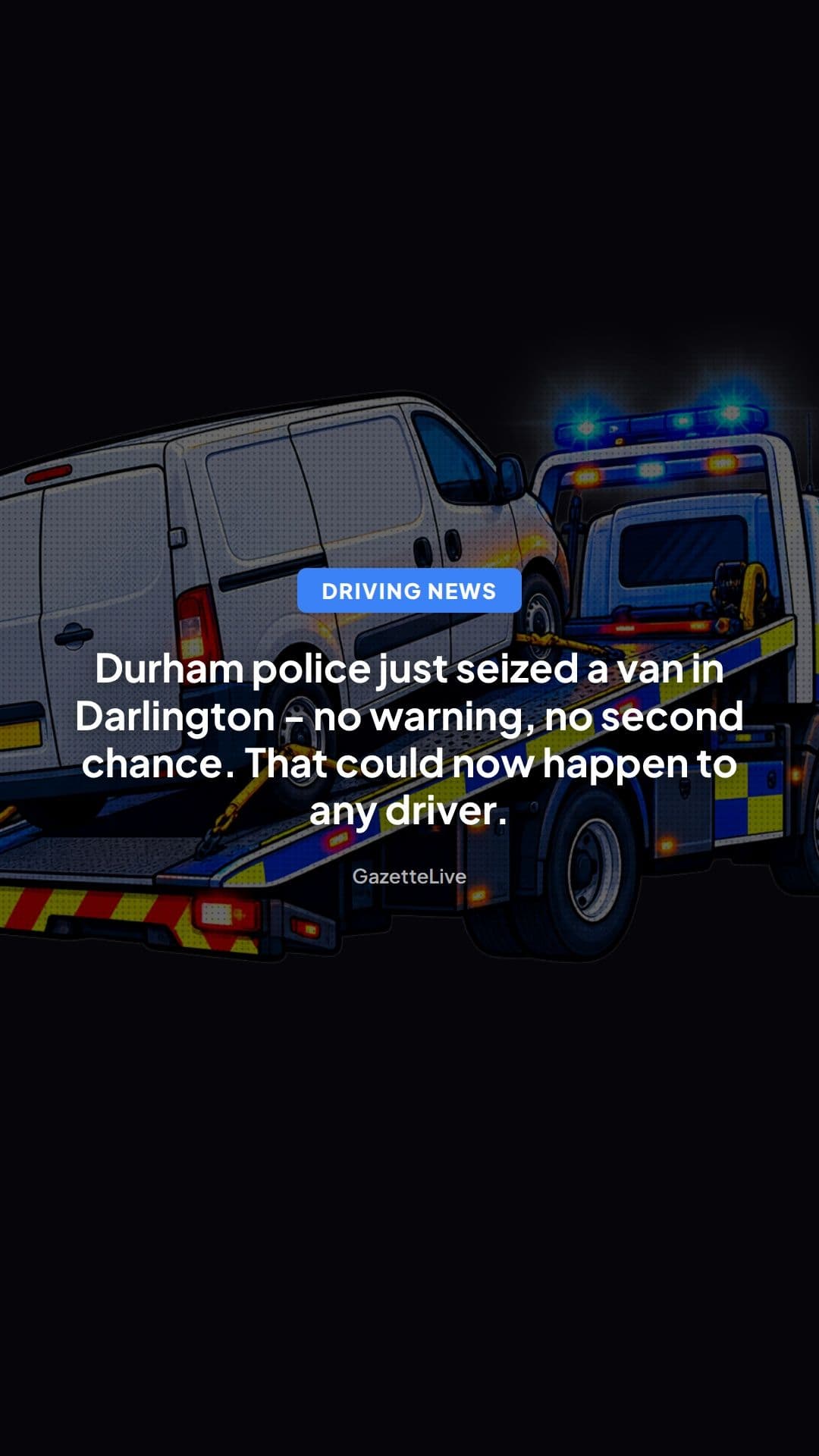
Picture this: you're driving home, and the last thing on your mind is losing your car within minutes of a police officer flagging you down. Yet that's precisely the reality facing an increasing number of UK motorists as police forces lean harder on powers designed to tackle anti-social and nuisance driving. According to a recent report from GazetteLive, officers are now warning drivers that vehicles involved in dangerous or nuisance use can be seized immediately, with little to no advance notice required.
For most law-abiding drivers, this might sound like a story about "someone else". But the reality of how these powers work, who they can affect, and how quickly they can escalate makes this worth understanding properly, whether you're a careful commuter, a car enthusiast, or simply someone who occasionally finds their vehicle parked or driven in a way that could be misread by a passing patrol.
What Happened
The GazetteLive report highlights police forces actively enforcing powers linked to anti-social driving, with vehicles being seized where they are judged to have been used in a manner causing alarm, distress or annoyance to the public. The warning from police is blunt: enforcement doesn't necessarily come with a grace period. A car can be taken there and then, at the roadside, without the driver getting the chance to correct their behaviour first.
This isn't an entirely new concept in British policing. Officers have held powers to seize vehicles linked to anti-social use for over two decades. What has changed, and what the source article is really flagging, is the shift towards faster, more immediate enforcement, with police explicitly warning the public that the days of a polite word and a second chance are numbered for certain types of driving.
This has come alongside a broader crackdown on nuisance driving culture in towns and cities across the UK, from illegal street cruises and off-road bike gangs tearing through parks, to convoys of modified cars performing doughnuts in supermarket car parks and residential streets. Councils, residents' groups and police forces have all been vocal about the disruption this causes, and the political pressure to "do something visible" about it has clearly filtered down into enforcement practice.
Why It Matters
Anti-social driving isn't just an inconvenience. It can be genuinely dangerous, frightening for pedestrians and other road users, and corrosive to trust in how well town centres and residential areas are policed. Vehicle seizure has become one of the few enforcement tools that produces an instantly visible result: no more revving engines outside your house at 2am, no more convoys blocking the high street.
But the flip side is that these powers are broad by design. "Anti-social" behaviour is a wide net, and how it gets interpreted on the ground can vary between force to force, and even officer to officer. A car being driven in a way that annoys or alarms members of the public doesn't necessarily require a criminal conviction, a court order, or even a caution. That's a significant departure from how most driving offences are dealt with, where due process typically comes before any serious consequence.
This matters for ordinary drivers because the line between "boisterous" and "anti-social" isn't always crystal clear in the moment. Revving an engine, driving quickly away from a junction, or gathering in numbers with other car enthusiasts at a legal meet could, depending on the circumstances and how it's perceived by residents or officers, tip into territory police are now empowered to act on immediately.
It's also worth noting the financial sting attached to seizure. Getting a car back after it's been impounded under these powers typically means paying release and storage fees, on top of any other penalties. If the fees aren't paid within a set window, the vehicle can be disposed of or destroyed entirely, regardless of its value. Some of the most eye-catching seizure stories in recent months have involved genuinely expensive vehicles, underlining that this isn't a power reserved only for beaten-up hatchbacks used in street racing.
The Legal Angle
The core legal power behind most of this enforcement activity is Section 59 of the Police Reform Act 2002, which allows police to seize a vehicle that has been used in a manner "contrary to Section 3 of the Road Traffic Act 1988" (careless and inconsiderate driving) or in a way causing alarm, distress or annoyance to the public, such as off-road biking on land without lawful authority, or driving in a manner associated with anti-social behaviour more broadly.
Historically, Section 59 required officers to have already given a warning, either to the driver in question or generally in that local area, before a vehicle could be seized. This built in a form of fairness: drivers were meant to get a chance to stop the behaviour before losing their car. What's changed in recent policy direction, and what's driving headlines about "instant" seizure, is a push to remove or loosen that prior-warning requirement in certain circumstances, particularly where a warning has already been given previously to the same person, or where the nature of the offending makes an immediate response necessary.
Alongside Section 59, other legal tools can come into play depending on the circumstances:
- Road Traffic Act 1988, covering dangerous driving (Section 2) and careless or inconsiderate driving (Section 3), which can carry separate criminal penalties including fines, points, disqualification or imprisonment in the most serious cases.
- Construction and Use Regulations, which police can use where a vehicle has illegal modifications, such as excessively loud exhausts, that are often a feature of nuisance driving reports.
- Public Order and anti-social behaviour legislation, which can apply where driving forms part of a wider pattern of behaviour affecting a community.
Once a vehicle is seized, the driver or registered keeper is usually notified of how to reclaim it, generally within a limited window, and told what fees apply. Failure to act within that period can result in permanent loss of the vehicle. This is a similar principle to the process used in DVLA enforcement action for untaxed vehicles, where prompt action is essential to avoid a car being clamped or crushed.
It's worth being clear that this is general information rather than legal advice. If you or someone you know has had a vehicle seized under these powers, the specifics of the incident, the force involved, and the exact grounds cited will all matter enormously to any challenge or appeal. Professional legal advice, or guidance from your force's own published seizure procedures, is the right next step in that situation.
What Drivers Should Know
A few practical points are worth keeping front of mind:
- Modified or loud vehicles attract more scrutiny. If your car has an aftermarket exhaust or other modifications that draw attention, be aware that it may be more likely to be flagged in nuisance driving patrols, fairly or not.
- Car meets and gatherings can be reclassified quickly. Large, informal gatherings of cars, even ones intended as legitimate enthusiast meets, have in the past drawn police attention where numbers or noise levels escalate. It's sensible to check local rules or liaise with police in advance for organised events.
- A previous warning counts against you. If you've already been warned informally or formally about your driving in a particular area, don't assume a second incident will be treated with the same leniency.
- Act fast if your vehicle is seized. Missing the reclaim window can mean permanently losing your car, regardless of its value. Read any seizure notice carefully and contact the relevant pound or force promptly.
- Know your right to challenge unfair enforcement. Seizure isn't necessarily the final word. Where a driver believes the power was used incorrectly or unfairly, there are routes to challenge this, though timeframes tend to be tight.
For a sense of how seriously and visibly this is being enforced, several recent cases have made headlines, including luxury vehicles being taken during targeted crackdowns and even high-value supercars caught up in anti-social driving operations. These aren't isolated incidents but part of a clear pattern in how enforcement priorities are shifting.
Looking Ahead
The direction of travel is fairly clear: police forces and government policy are both moving towards faster, more visible enforcement against anti-social driving, with fewer procedural hurdles standing between complaint and consequence. For communities plagued by nuisance driving, that will likely be welcomed. For drivers, particularly those with an interest in performance or modified cars, it means a greater need for awareness of exactly how their driving might be perceived, even when no laws around speed limits or road positioning are technically being broken.
Whether further legislative changes formalise the removal of the prior-warning requirement more broadly remains to be seen, but the trajectory suggests police will continue to test the limits of what immediate seizure powers allow. For now, the safest approach for any driver is simple: assume that anti-social driving enforcement can happen without warning, and steer well clear of anything that could be mistaken for it.
Written by
The Parking Ticket Pal Editorial Team
Source-checked parking guidance
Ready to Challenge Your Ticket?
Let our AI analyse your PCN and generate a professional appeal letter in minutes.
Start Free Appeal