New MoT Photo Rules: What Every UK Driver Needs to Know
DVSA’s nationwide Photos at Test rollout means MoT testers must photograph vehicles. Learn why it matters, how fraud checks work and what to expect.

The Parking Ticket Pal Editorial Team
14 August 2026
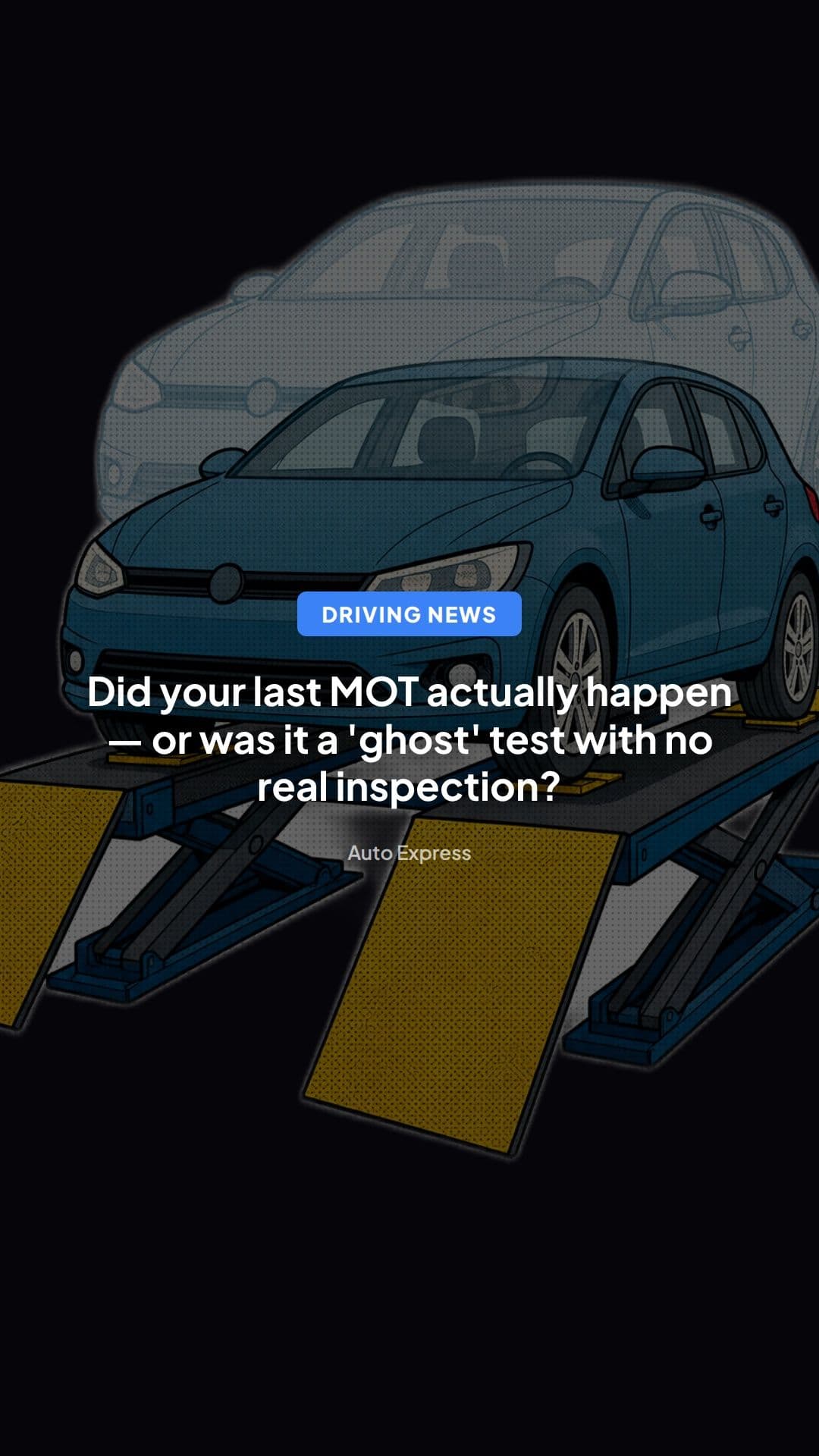
Every MOT Now Comes With a Photograph, Here's Why That's a Big Deal
Next time you drop your car off for its annual MOT, don't be surprised if the tester pulls out a camera before they even pop the bonnet. Under a new nationwide DVSA scheme, every vehicle presented for testing must now be photographed as part of the process. It sounds like a small administrative tweak. In reality, it's one of the most significant changes to MOT testing in years, and it's aimed squarely at a problem that's been quietly costing drivers money and putting dangerous vehicles back on the road: MOT fraud.
What Happened
According to Auto Express, the DVSA (Driver and Vehicle Standards Agency) has now rolled out its "Photos at Test" feature across the country. MOT testers are required to photograph vehicles during the testing process as a way of verifying that the car being tested is genuinely the one that turns up at the test centre, and that the test was actually carried out.
This isn't a one-off inspection tool for suspicious cases. It's now a standard part of every MOT, baked into the process nationwide rather than trialled in a handful of test centres. The idea is straightforward: a photographic record ties a specific vehicle, on a specific date, to a specific test outcome, making it far harder to fake, backdate, or misattribute a certificate.
If you've been keeping half an eye on MOT news, you may recall earlier reports about DVSA reforms due to take effect around 3 August, covering related changes to testing rules. This latest development confirms that the photo requirement has now gone live across the network, rather than remaining a limited pilot.
Why It Matters
To understand why the DVSA has bothered with this, it helps to understand what MOT fraud actually looks like in practice. It isn't always a shady garage handing out fake certificates for cash. Sometimes it's more subtle: a tester recording a pass without properly inspecting the vehicle, a certificate issued for a car that never physically attended the test centre, or details being altered after the fact.
The consequences aren't abstract. A car with a fraudulently issued MOT could have worn brakes, bald tyres, or corroded suspension components, all supposedly signed off as roadworthy. That's not just a paperwork problem, it's a road safety issue that affects everyone sharing the road with that vehicle.
There's also a knock-on effect for drivers who play by the rules. Test centres implicated in fraud can face suspension or loss of their DVSA authorisation, which affects genuine customers caught in the fallout. And drivers who unknowingly buy a used car with a dodgy MOT history can find themselves with an expensive shock when a proper inspection reveals the vehicle was never really roadworthy in the first place.
We've previously covered the rise of so-called "ghost MOTs", where certificates are issued without a legitimate test taking place. The photo requirement is a direct response to that kind of practice. A geotagged, timestamped image of the actual vehicle at the actual test centre makes it significantly harder to issue a certificate for a car that was never there.
The Legal Angle
MOT testing in Great Britain is governed primarily by the Road Traffic Act 1988 and the accompanying Motor Vehicles (Tests) Regulations, which set out the framework for compulsory testing, testing station authorisation, and the offences associated with fraudulent or improper testing. The DVSA, as the regulator, has statutory powers to inspect testing stations, audit records, and revoke or suspend the authorisation of testers and garages found to be non-compliant.
Falsifying an MOT result, or issuing a certificate without conducting a proper test, can amount to fraud and may result in criminal prosecution, not just administrative penalties. Testers found to have signed off vehicles without adequate inspection can lose their qualification entirely, and test centres can lose their DVSA authorisation to conduct MOTs at all. The Photos at Test feature effectively strengthens the evidential trail the DVSA relies on when investigating suspected wrongdoing, making it harder for a tester or garage to argue that a vehicle was properly inspected when photographic evidence suggests otherwise.
For drivers, there's a data protection dimension worth being aware of too. Photographs of your vehicle, potentially including your number plate, constitute personal data under UK GDPR. The DVSA and testing stations handling this data are required to process it lawfully, securely, and only for the purposes it was collected for, namely test verification and fraud prevention. If you're ever curious about how long such images are retained or how they might be used, that's a reasonable question to put directly to the DVSA or the testing station, since specifics of retention periods sit with official guidance rather than press coverage.
It's also worth noting that an MOT certificate, whether genuine or contested, can matter in other legal contexts. Insurance claims, vehicle sales, and even parking or emissions zone disputes sometimes hinge on a vehicle's MOT status. A more robust, photo-verified testing regime should, in theory, make MOT records a more reliable piece of evidence across all of these situations.
What Drivers Should Know
For the vast majority of motorists, this change requires precisely nothing from you. You don't need to prepare your car in any special way, request the photo, or worry about giving consent at the counter. It's simply now part of how the tester conducts their job.
That said, there are a few practical points worth keeping in mind:
- You won't need to do anything differently. The photograph is taken as part of the tester's normal workflow, typically as the vehicle arrives or during the inspection itself.
- It shouldn't add noticeable time to your test. This is an administrative safeguard, not an additional mechanical check, so your MOT should take the same amount of time it always has.
- If you're buying a used car, this should give you extra confidence in the MOT history attached to it, since the system is designed to make fraudulent or backdated certificates harder to produce.
- If you ever suspect a certificate is illegitimate, whether on a car you own or one you're considering buying, you can check the MOT history for free via the government's official MOT history checker, and report concerns directly to the DVSA.
- Keep your paperwork and digital records anyway. While the photo system strengthens verification behind the scenes, it's still sensible practice to retain your MOT certificate and service history, particularly if you plan to sell the vehicle or need to demonstrate roadworthiness for any dispute.
If you're a small garage owner or self-employed tester, it's worth checking DVSA's official guidance on the Photos at Test scheme directly, since compliance failures could have real consequences for your authorisation to test vehicles. This article is general information rather than a substitute for that official guidance.
Looking Ahead
The rollout of Photos at Test fits into a broader pattern of the DVSA tightening up MOT integrity through technology rather than simply adding more paperwork. It follows a direction of travel we've seen with other recent MOT reforms, and it's likely to be one of several digital verification measures introduced over the coming years as the testing system modernises further.
For honest garages and conscientious testers, this changes very little day to day, it's simply one more routine step. For the minority exploiting gaps in the system, it closes off a route that's been difficult to police using paperwork alone. And for ordinary drivers, it should mean greater confidence that the green certificate stuck to your windscreen actually reflects a genuine, thorough inspection of your car.
As with most regulatory tightening, the real test of its effectiveness will come down to enforcement. A photograph is only useful if the DVSA actively audits and acts on the evidence it provides. Given the scale of the nationwide rollout, it's a fair bet that we'll see this scrutiny increase over the next year, particularly around testing stations that have previously raised red flags. For now, the practical upshot for most drivers is simple: your MOT will look and feel exactly the same, just with one extra, largely invisible safeguard working in the background to keep the whole system a little more honest.
Written by
The Parking Ticket Pal Editorial Team
Source-checked parking guidance
Ready to Challenge Your Ticket?
Let our AI analyse your PCN and generate a professional appeal letter in minutes.
Start Free Appeal