New DVSA Driving Rules: MOT Photo Changes Explained
New DVSA driving rules are rolling out this month, including MOT test photos. Learn what driver services and vehicle safety changes mean for UK motorists.

David Chen
4 August 2026
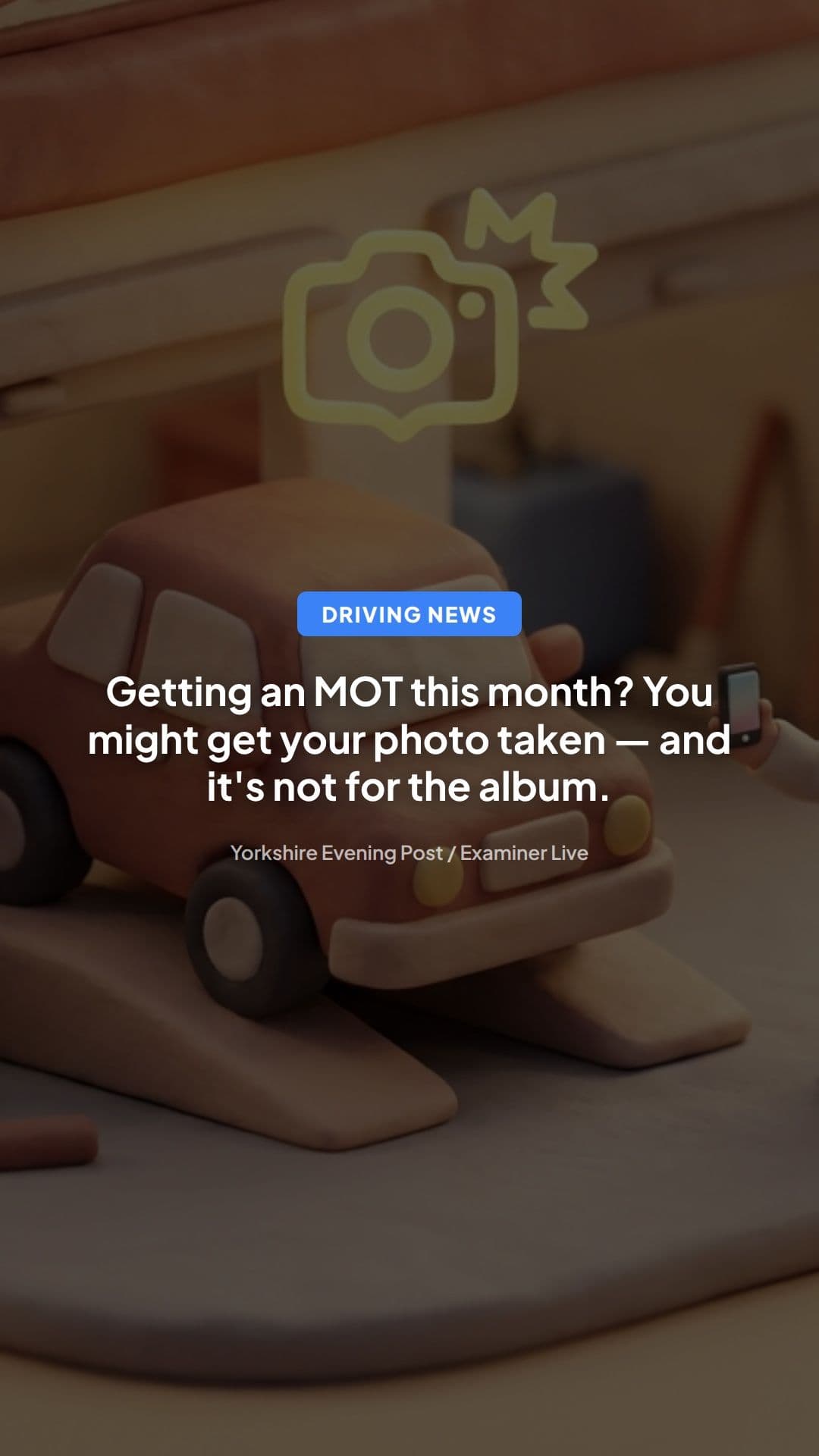
The New DVSA Driving Rules and Changes This Month: What You Need to Know
A Camera in the Test Bay: Small Change, Big Implications
If you've ever handed your car over for an MOT and wondered exactly what the tester is doing when they disappear round the back with a torch, get ready for a new twist. The DVSA has quietly started rolling out photographic evidence-gathering during MOT tests, letting testers capture and upload images as they go. It sounds like a minor administrative tweak. It isn't. This is part of a much bigger shift in how Britain checks whether the cars on its roads are actually safe, and it's happening alongside a string of other digital driving changes that together mark one of the more significant modernisation pushes the DVSA has attempted in years.
What's Actually Happening
The core change is straightforward on the surface: MOT testers are being equipped with technology that allows them to take photographs of defects or issues found during a test and upload them directly as part of the test record. Rather than relying purely on a tester's written note ("corroded brake pipe, advisory") or a verbal explanation at the counter, there's now a visual record attached to the digital test.
This sits within a wider basket of DVSA and DVLA digital changes being reported this month, touching on driver licensing services, vehicle safety checks, and the ongoing move to digitise processes that have historically relied on paper, phone calls, or in-person visits. The direction of travel is consistent: the DVSA wants faster, more transparent, and more accountable processes, whether that's booking a driving test, renewing a licence, or getting your car through its annual roadworthiness check.
It's worth remembering the MOT test itself remains a legal requirement under the Road Traffic Act 1988, with vehicles typically needing their first test at three years old (four in Northern Ireland) and annually thereafter. Roughly 30 million MOT tests are carried out in Great Britain each year, run through a network of independently owned but DVSA-regulated test centres. That scale is precisely why even small procedural changes, like adding a photo-upload step, ripple outwards in ways that matter to millions of drivers.
Why It Matters: Trust, Transparency and Tackling Bad Practice
The MOT system runs on trust. You leave your car with a garage, they carry out checks you can't personally verify, and you're told either "it's fine" or "you need to spend £400 on new suspension components." For the vast majority of testers, this works exactly as it should. But the MOT trade has never been entirely free of controversy. Concerns about inconsistent testing standards between centres, occasional "ghost MOTs" issued without a vehicle actually being tested, and disputes over whether a failed component genuinely warranted failure have all featured in DVSA compliance work over the years.
Photographic evidence changes the dynamic considerably. If a tester photographs a corroded brake line or a worn tyre showing the cord, that image becomes part of the permanent record. For drivers, this could mean:
- Clearer justification for failures. Instead of taking a garage's word for it, you can potentially see the defect yourself.
- A stronger paper trail if you want a second opinion. If you're not sure a failure is genuine, having a photo makes it easier to show another garage exactly what was flagged.
- Better protection against poor practice. Photographic evidence creates accountability that a scribbled advisory note simply can't match.
It also protects conscientious testers. A photo showing genuine corrosion or a cracked component is far more persuasive than a tester's word alone if a customer disputes a fail, or if the DVSA itself audits that test centre's records. In an industry where testers can face pressure from customers unhappy with a fail (and, worse, from unscrupulous operators wanting to wave cars through), an evidential record protects everyone acting in good faith.
The Legal and Regulatory Angle
The MOT test is governed by the Motor Vehicles (Tests) Regulations 1981, as amended, alongside the DVSA's own inspection manual, which sets out precisely what testers must check and how they should categorise defects, dangerous, major, minor, or advisory. Driving without a valid MOT where one is required is itself an offence under Section 47 of the Road Traffic Act 1988, and it can also invalidate your insurance, creating a second layer of legal exposure beyond the fine itself.
Photographic evidence doesn't change these underlying rules. What it does is strengthen the DVSA's enforcement toolkit against test centres that cut corners, and it strengthens a driver's position if they want to challenge a result. If you disagree with an MOT outcome, you already have the right to request an appeal via the DVSA's official complaint process, generally by completing form VT17 (available through GOV.UK) within a limited window after the test. Having photographic evidence attached to the original record should, in theory, make that appeals process faster and more evidence-based rather than relying on a fresh inspection to establish what was actually wrong the first time.
There's also a data protection dimension worth flagging. Photographs of your vehicle, potentially showing your number plate, are personal data under UK GDPR once linked to your identity via the MOT record. The DVSA will need to handle retention, storage, and access to these images in line with data protection principles, and it's reasonable for drivers to expect clarity on how long such images are kept and who can view them.
What Drivers Should Know
For most people, this change will be invisible in day-to-day terms. You'll still drop your car off, wait for the result, and either drive away with a pass or arrange repairs for a fail. But there are a few practical points worth bearing in mind as this rolls out:
- Ask to see the evidence. If your car fails and you're not entirely convinced, it's reasonable to ask the test centre whether photographic evidence was captured and whether they can show you. This is especially useful before committing to expensive repairs.
- Keep your own records too. If you're getting work done to address an MOT failure, ask the repairing garage to photograph the parts they replace, particularly on higher-value repairs like suspension or braking components. This gives you your own comparison point.
- Understand the appeals route exists. If you believe a test result was wrong, the formal DVSA appeal process is there, and starting it promptly matters, as there are time limits involved.
- Don't ignore advisories. Photographic evidence may make advisory notes (issues that aren't yet a fail but could become one) more vivid and specific, which is genuinely useful. An advisory today is often a fail waiting to happen at next year's test.
- Check the wider digital changes. Alongside MOT photography, the DVSA and DVLA continue expanding digital services, from online driving test bookings to digital licence checks. Keeping an eye on GOV.UK's official driving and vehicle updates is the most reliable way to stay ahead of changes that might affect your renewal dates, test bookings, or licence status.
Looking Ahead
This month's changes are unlikely to be the last word. The DVSA has been signalling a broader digital transformation agenda for some time, and photographic evidence-gathering during MOTs fits a pattern seen elsewhere in the regulatory and enforcement space, whether that's the increasing use of technology in traffic enforcement or the push towards single, unified digital platforms for services drivers previously had to navigate separately.
For drivers, the direction is broadly positive. More evidence, more transparency, and a clearer audit trail should, over time, reduce disputes and build confidence in a system that 30 million tests a year depend on. The real test, quite literally, will be in implementation: whether test centres are given adequate training and equipment, whether the evidence is used consistently, and whether drivers actually benefit from easier access to the images taken of their own vehicles.
In the meantime, the sensible approach for any driver is the one that's always applied to MOTs: keep on top of servicing, don't ignore advisories, and if in doubt about a result, know that you have a formal right to challenge it through the DVSA's official channels rather than simply accepting a costly repair bill at face value.
Written by
David Chen
Consumer Rights Expert
Ready to Challenge Your Ticket?
Let our AI analyse your PCN and generate a professional appeal letter in minutes.
Start Free Appeal