Manchester Airport Defends £5.50 Drop-Off Parking Fee
Manchester Airport says its £5.50 five-minute drop-off charge is the lowest at major UK airports. We examine parking fees, revenue and driver impact on motorists.

The Parking Ticket Pal Editorial Team
30 August 2026
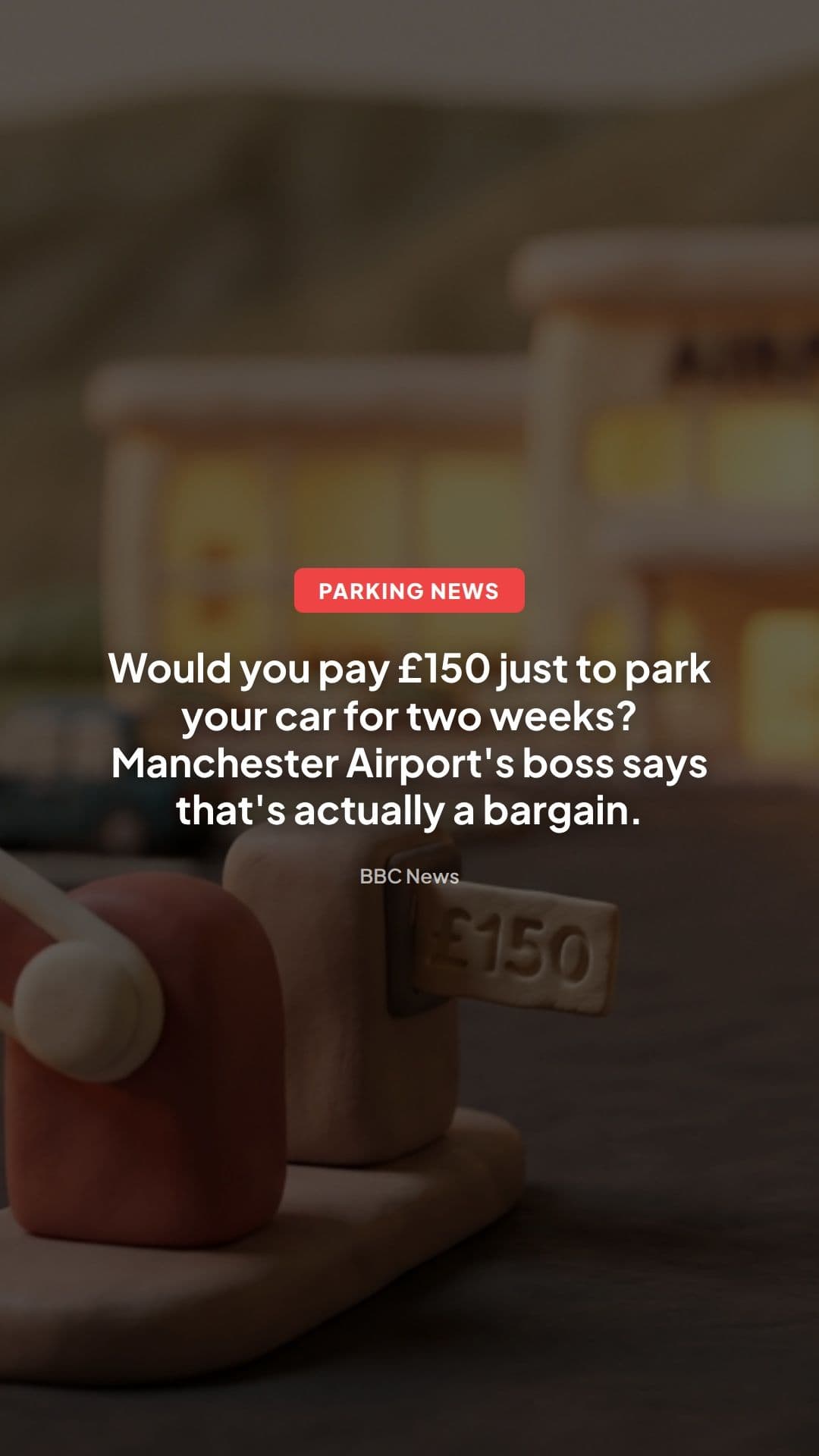
Manchester Airport Boss Defends Car Parking Income: What's Really Going On With Drop-Off Fees?
Picture this: you pull up outside the terminal to give your elderly mother a hug, help her wheel her suitcase to the doors, and wave her off. Total time elapsed? Perhaps four or five minutes. Total cost? £5.50. That's more than a pint in some parts of the country, just for the privilege of stopping your car.
This is the reality facing drivers at Manchester Airport, and it's why the airport's management has found itself on the defensive this week, justifying its parking and drop-off revenue to the public and, implicitly, to a government increasingly interested in how much airports charge motorists simply for arriving.
What Happened
According to reporting from the BBC, Manchester Airport has defended its approach to car parking and drop-off charges, including a fee of £5.50 for a stay of just five minutes at its designated drop-off zones. The airport's leadership argues that, far from being excessive, this charge is actually the lowest among the UK's major airports when compared like for like.
That claim matters because it reframes the story. Rather than simply admitting to charging motorists for a brief kerbside stop, Manchester Airport is positioning itself as the reasonable option in a sector where drop-off fees have become notoriously steep. It's a defensive strategy that says, in effect: don't blame us, blame the industry.
It's worth remembering that Manchester Airport isn't alone in generating headlines over these charges. Airports across the country have introduced or increased drop-off fees in recent years, turning what used to be a free, quick stop into a genuine revenue stream. The wider debate about just how much money airports are making from parking and drop-off charges has already prompted scrutiny of the sector's total earnings from motorists, running into the hundreds of millions of pounds annually.
Why It Matters
Airport drop-off charges might seem like small change in the context of an overall holiday budget, but they touch a nerve for a reason that goes beyond pounds and pence. Unlike a long-stay car park, where a driver has genuine choice and time to shop around, a drop-off zone is often the only practical option for someone who simply needs to get a passenger to the terminal doors, especially if that passenger has mobility issues, heavy luggage, or a tight connection to catch.
Critics argue this creates a captive market. There's rarely a genuine "opt out" for someone dropping off a relative unless they're prepared to park much further away and walk, which isn't realistic for everyone. That dynamic has fuelled calls from politicians and consumer groups for the government to intervene and curb these charges, arguing that airports are exploiting a monopoly-like position at the point where roads meet terminals.
Manchester Airport's response, essentially "we're cheaper than our rivals," is a reasonable point on its own terms, but it also quietly concedes the underlying issue: that charging for drop-off has become the industry norm, and the argument has shifted from "should this be allowed" to "how much is too much." That's a subtle but important shift in the debate, and one that campaigners for drivers' rights will likely seize upon.
It's also worth noting the broader financial picture. Airports have increasingly leaned on non-aeronautical income, including retail, food and beverage, and parking, to bolster revenues as competition on landing fees and airline contracts remains fierce. Car parking and drop-off charges, in that context, aren't an afterthought. They're a deliberate and significant part of the business model.
The Legal Angle
Here's where things get interesting from a motoring law perspective. Airport drop-off zones typically sit on private land, meaning the charges are governed by contract law rather than the statutory framework that applies to on-street parking enforced by local councils.
When you drive into a drop-off zone marked with signage stating a charge applies, you're generally deemed to have entered into a contract with the landowner or their parking operator, usually enforced through Automatic Number Plate Recognition (ANPR) cameras. If you don't pay, or you overstay, you can be issued with a Parking Charge Notice (not to be confused with a council-issued Penalty Charge Notice, despite the identical acronym).
The Protection of Freedoms Act 2012 (POFA) governs how these private parking charges can be pursued against a keeper rather than just the driver, provided operators follow strict procedural requirements. Crucially, for a charge to be enforceable, the signage must be clear, prominent, and give drivers a genuine opportunity to understand the terms before they're bound by them. This is a point that has been tested repeatedly at the Traffic Penalty Tribunal and in county courts, and unclear or poorly positioned signage remains one of the most common grounds for a successful challenge.
There is currently no specific statutory cap on how much airports can charge for drop-off, unlike the wider reforms being discussed for private parking charge notices more generally, where a £100 cap and standardised grace periods have been proposed. Airport drop-off fees sit somewhat outside that framework because they're a charge for a service (or access), not a penalty for a contractual breach, although the line between the two can blur once overstay penalties come into play.
The Civil Aviation Authority regulates certain aspects of airport operations, but historically has had limited remit over car park and drop-off pricing, which is largely left to commercial discretion. This gap in specific regulation is precisely why political pressure has been building for the government to look more closely at whether airports should face tighter rules on what they can charge, and how transparent they must be about it.
What Drivers Should Know
If you're planning to collect or drop off a passenger at Manchester Airport, or any UK airport for that matter, a little preparation goes a long way:
- Check the free drop-off alternatives first. Many airports, Manchester included, offer a free "kiss and fly" style zone slightly further from the terminal, or a short free window before charges kick in. It usually means a longer walk for your passenger, but it can save you the fee entirely.
- Read the signage carefully before you stop. Charges, time limits, and payment methods vary between terminals and even between different drop-off areas at the same airport. Missing a small print detail is often how drivers end up with an unexpected charge.
- Time your stop precisely. If a charge applies per five-minute block, arriving with luggage already sorted and saying your goodbyes swiftly can be the difference between one charge and two.
- Keep evidence if something goes wrong. If you believe you were charged unfairly, perhaps because signage was unclear or a barrier fault caused you to overstay, take photos, note the time, and keep any tickets or receipts. This evidence is invaluable if you need to challenge a charge later.
- Know your appeal rights. Private parking charges can be appealed, first informally to the operator and, if necessary, through an independent appeals service depending on which trade body the operator belongs to. Understanding whether an operator is a member of the British Parking Association or the International Parking Community can affect the process and your options.
- Consider pre-booked parking instead. For anyone doing more than a swift drop-off, pre-booking a space through official airport parking, or a reputable off-site provider, is often far cheaper per hour than kerbside drop-off charges once you calculate the true cost of waiting around.
Looking Ahead
Manchester Airport's defence of its charges won't be the last word on this issue. With drop-off fees now a fixture of the national conversation about the cost of travel, and increasing political appetite to examine whether airports are taking advantage of their captive audiences, further scrutiny seems inevitable.
The comparison Manchester Airport has drawn, positioning itself as cheaper than its rivals, may buy some short-term goodwill, but it also implicitly validates the argument that these charges have become entrenched across the sector rather than an occasional inconvenience. Whether that leads to formal regulation, a voluntary industry cap, or simply continued public grumbling every summer and Christmas as families ferry loved ones to and from flights, remains to be seen.
For now, the most practical defence available to drivers isn't legal, it's logistical: know before you go, use free alternatives where they exist, and treat every drop-off zone sign as something worth reading twice before you commit to stopping the car.
Written by
The Parking Ticket Pal Editorial Team
Source-checked parking guidance
Ready to Challenge Your Ticket?
Let our AI analyse your PCN and generate a professional appeal letter in minutes.
Start Free Appeal