London's No-Flash Speed Cameras: What Drivers Should Know
London is trialling 4D radar speed cameras at nine 20mph and 30mph sites. With no flash or road markings, learn what drivers should expect from enforcement.

The Parking Ticket Pal Editorial Team
31 August 2026
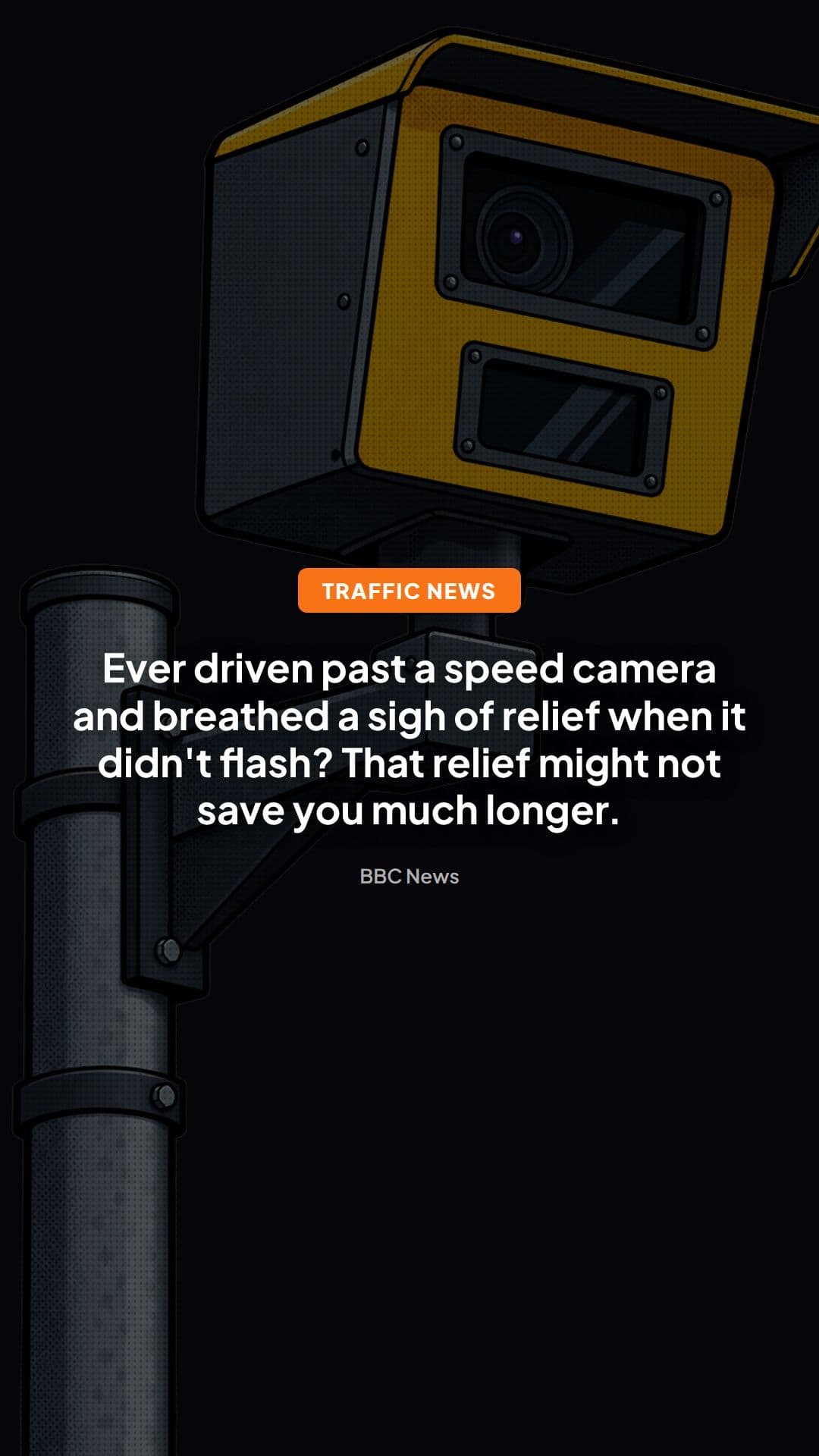
No Flash, No Warning: London's New Speed Cameras Are Watching Differently
For as long as most of us have been driving, getting "flashed" by a speed camera has been the unmistakable, sinking-feeling moment you know a fine is coming. That flash was practically part of the UK's road safety folklore: a bright white pop in the rearview mirror, followed by weeks of dread waiting for the brown envelope. That era may be quietly coming to an end.
London has begun trialling a new generation of speed cameras that need no flash, no photographic trigger and, remarkably, none of the painted road markings that traditional average-speed systems rely on. According to the BBC, nine sites across the capital, covering both 20mph and 30mph roads, are now testing this so-called 4D radar technology. It's a small trial on paper, but it hints at a much bigger shift in how speed enforcement in the UK is going to work.
What's Actually Happening
Traditional speed cameras fall into a few familiar categories. Fixed Gatso-style cameras use radar or induction loops buried in the road and fire a flash to capture a clear image of the number plate, particularly useful at night. Average speed cameras, such as the yellow SPECS systems seen on motorway roadworks, use ANPR to clock a vehicle at two points and calculate its speed over a set distance, often relying on painted road markings to help calibrate distance and camera alignment.
The cameras being trialled in London do away with both requirements. 4D radar can track a vehicle's speed, distance, direction and position simultaneously, using continuous radar sensing rather than a single flash-triggered photograph. Combined with video or ANPR capture, it can build an evidential record of a vehicle's speed without ever needing to physically light up the road, and without depending on painted calibration markings that need constant repainting and maintenance.
In practice, that means a stretch of road could be actively enforcing a 20mph or 30mph limit without a single visual cue that anything unusual is happening, no flash, no fresh white paint, nothing beyond perhaps a camera housing and the standard signage that should still be present.
Why This Matters More Than It Sounds
On the surface, this looks like a minor technical upgrade. In reality, it addresses several long-standing headaches in UK speed enforcement.
Painted road markings for average speed systems fade, get resurfaced over, and cost money to maintain. Flash-based cameras are expensive to service, and their bright flash is arguably one of the reasons drivers slam the brakes the moment they see one, only to speed straight back up once they're past it, a practice sometimes cynically called "camera surfing." Radar-based, flashless enforcement removes that stop-start behaviour incentive because there's no visual trigger telling drivers when they've been caught.
This also comes at a moment when 20mph limits are under intense scrutiny across the UK, from Wales's default 20mph rollout to ongoing debate in England about whether a similar default should apply nationally. Councils have often struggled to enforce 20mph zones because traditional fixed cameras are costly to install road-by-road, and many low-level breaches simply go undetected. A cheaper, more flexible enforcement tool that doesn't need road paint could make it far easier for London boroughs, and eventually councils elsewhere, to enforce these limits consistently rather than relying on signage alone and hoping drivers comply voluntarily.
It also fits into a much wider pattern already reshaping London's roads, with AI-assisted and mobile camera enforcement expanding rapidly across the capital in recent years.
The Legal Angle: What Actually Has to Happen for a Ticket to Stick
It's worth understanding the legal framework behind all this, because a lot of drivers assume speed camera enforcement is more informal than it actually is.
Speed limits themselves are set and enforced under the Road Traffic Regulation Act 1984, while the prosecution process for speeding offences sits under the Road Traffic Offenders Act 1988. Crucially, for most speeding offences detected by camera, the police must serve a Notice of Intended Prosecution (NIP) within 14 days of the alleged offence, usually sent to the registered keeper. Under section 172 of the Road Traffic Act 1988, the keeper is legally obliged to identify who was driving at the time, and failing to do so is itself an offence carrying penalty points, separate from the speeding matter.
Any device used to generate evidence for a speeding prosecution, whether it's a Gatso, a SPECS-style average speed system, or newer radar-based tech, must have Home Office Type Approval. This is what makes the recorded speed admissible in court or acceptable for issuing a fixed penalty. The absence of a flash or road markings doesn't affect the legality of a device's use, provided it holds the correct approval and the evidence it captures (whether video, radar trace, or still image) meets the required standard.
Signage is a separate issue. Department for Transport guidance recommends that speed camera sites be sufficiently visible or signed to the public, generally through camera warning signs or general speed limit repeater signs, but this is guidance rather than a rigid legal requirement in every single case, and practice varies by scheme. That's worth remembering if you ever consider challenging a penalty on signage grounds alone. It's rarely a silver bullet, and the wider context of your specific case matters.
For most standard speeding offences, penalties range from a fixed penalty of points and a fine, to a speed awareness course for those who qualify, through to a court summons and potentially higher fines or disqualification for more serious breaches. The exact route depends on how far over the limit you were caught travelling.
What Drivers Should Actually Know
A few practical points are worth taking away from this trial:
- Stop assuming no flash means no camera. That old mental shortcut, "I didn't see a flash, so I must be fine," is becoming increasingly unreliable. Radar-based systems can record an offence without any visible indication at the time.
- Treat every 20mph zone as potentially enforced. With councils actively looking for cheaper, lower-maintenance enforcement tools, the assumption that 20mph limits are rarely policed is becoming outdated, particularly in London.
- Signage still matters, but don't rely on it as your only defence. If you're contesting a speeding notice, unclear or missing camera signage might form part of a wider argument, but it's unlikely to succeed in isolation. Understanding the broader rules around Highway Code compliance and how fines and points are applied is a better starting point.
- Respond to any NIP promptly. Ignoring correspondence about a suspected speeding offence, or failing to correctly identify the driver, can create legal problems that are entirely separate from, and often worse than, the original speeding matter.
- Check your speedometer isn't giving you false confidence. Most vehicle speedometers are calibrated to over-read slightly, but that margin can vary, and it's not a legal defence in itself, just a useful personal buffer.
Looking Ahead
This trial is small, just nine sites, but it's unlikely to stay that way if the technology performs as hoped. Cheaper installation, lower maintenance, and no reliance on repainting roads make 4D radar an attractive proposition for cash-strapped councils trying to enforce speed limits more consistently, particularly as pressure grows nationally around 20mph zones and pedestrian safety.
It also raises questions that go beyond road safety statistics. As enforcement becomes less visible, less dependent on drivers spotting a flash or a distinctive yellow box, there's a broader conversation to be had about transparency, public trust, and how much of this kind of monitoring should be obvious to the people it affects. Expect scrutiny from road safety campaigners and privacy advocates alike as the trial data comes in.
For now, the practical takeaway is simple: London's roads are getting quieter cameras, not fewer of them. Drivers who've relied on visual cues to know when they're being watched may need to recalibrate their expectations, because increasingly, the answer is going to be "always."
Written by
The Parking Ticket Pal Editorial Team
Source-checked parking guidance
Ready to Challenge Your Ticket?
Let our AI analyse your PCN and generate a professional appeal letter in minutes.
Start Free Appeal