London Congestion Charge Rises to £18: What It Means
London’s Congestion Charge will increase to £18 a day in January 2026. See how reduced EV discounts and separate ULEZ fees could affect drivers in London.

The Parking Ticket Pal Editorial Team
15 August 2026
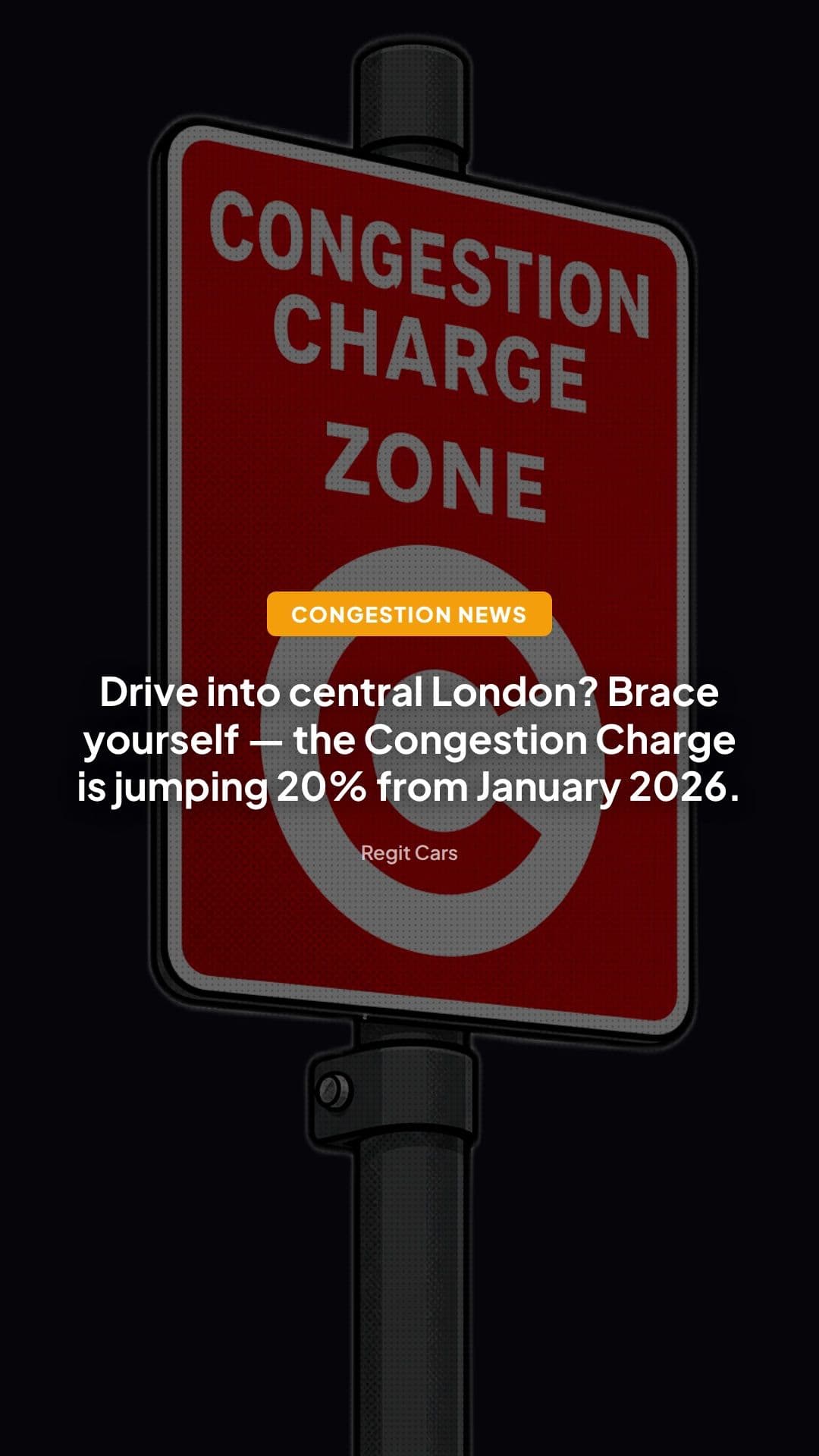
London Congestion Charge to Rise 20% to £18 Daily: What Every Driver Needs to Know
If you drive into central London for work, deliveries, or the occasional shopping trip, brace yourself. From January 2026, Transport for London will push the daily Congestion Charge up from £15 to £18, a 20% increase that will land squarely on the wallets of hundreds of thousands of motorists who enter the zone each week.
This isn't just another incremental fee tweak. It's part of a broader recalibration of how London charges drivers, one that also chips away at the electric vehicle discount that has, until now, made EV ownership in the capital significantly cheaper. Understanding exactly what's changing, and why, matters if you want to avoid an unpleasant surprise on your bank statement or an unexpected penalty notice.
What Happened
Transport for London has confirmed that the Congestion Charge, which currently costs £15 per day for most vehicles entering the designated zone during charging hours, will rise to £18 from January 2026. That's an increase of £3 a day, or roughly 20%, and it applies to anyone driving into the zone between the standard charging hours (currently 7am to 6pm on weekdays, and noon to 6pm at weekends and on bank holidays).
Alongside the headline rise, TfL is also scaling back the discounts available to electric vehicle owners. Previously, EVs benefited from a full or near-full exemption from the charge, part of a long-standing incentive to encourage the switch to zero-emission motoring. That generosity is now being wound down, meaning EV drivers who have grown used to driving through central London charge-free will increasingly need to factor the Congestion Charge into their running costs.
Crucially, this is separate from the Ultra Low Emission Zone (ULEZ) charge. Drivers of older, more polluting vehicles could already be paying both the Congestion Charge and the ULEZ daily fee if they enter central London, and that dual liability remains firmly in place. The two schemes operate under different rules, different zones (ULEZ now covers all London boroughs, while the Congestion Charge zone is a smaller central area), and different penalty structures, so it's entirely possible to rack up two separate charges for a single day's driving.
Why It Matters
The Congestion Charge has been a fixture of London life since February 2003, when it launched under Mayor Ken Livingstone at a flat rate of £5 a day. Over two decades it has crept up steadily, first to £8, then £10, then £11.50, and most recently to £15 in 2020, a rise partly justified at the time by the pandemic-driven need to discourage non-essential car use and protect public transport capacity.
This latest increase continues that long-term trajectory, but the context has shifted. TfL's finances remain under pressure, having lost substantial fare revenue during the Covid years and faced ongoing government scrutiny over its funding settlement. Congestion Charge income is a meaningful contributor to TfL's budget, and rising costs across the transport network, from Tube maintenance to bus services, all feed into decisions like this one.
There's also a policy dimension worth noting. The original purpose of the charge was to reduce traffic congestion in central London, and TfL has periodically argued that traffic volumes have crept back up even as public transport usage patterns changed post-pandemic. Raising the price is, in theory, a lever to nudge more people towards trains, buses, cycling, or simply avoiding the centre altogether.
The EV discount reduction is arguably the more significant long-term shift, though. When the Congestion Charge exemption for electric vehicles was introduced, EVs were a small minority on London's roads and needed every incentive going. That's no longer true. As EV adoption has grown, the exemption has become an increasingly expensive give-away in revenue terms, and TfL, like many local authorities across the UK, is gradually recalibrating incentives now that the market has matured. Drivers considering an EV purchase partly on the basis of London's charging exemptions should read the small print carefully, because the goalposts are moving.
The Legal Angle
The Congestion Charge operates under powers granted to Transport for London through the Greater London Authority Act 1999 and the Road User Charging (Charges and Penalty Charges) (London) Regulations 2001, along with subsequent scheme orders that set the specific zone boundaries, hours, and charges. TfL has statutory authority to vary the charge amount and eligibility criteria without needing fresh primary legislation, which is how these periodic increases and rule changes are implemented relatively quickly, typically following a public consultation process.
Non-payment carries real consequences. If you drive into the zone during charging hours and don't pay by midnight the following day, TfL can issue a Penalty Charge Notice (PCN), currently set at a substantial fixed amount that reduces if paid promptly and increases if ignored. These PCNs are enforced in the same way as other traffic contraventions, and unpaid penalties can ultimately be escalated to bailiff action if left unresolved. It's also worth being aware that PCNs have occasionally been mistakenly issued in unusual circumstances, including to registered keepers of vehicles no longer in active use, so keeping your vehicle records and DVLA registration details up to date is more important than it might seem.
If you believe a Congestion Charge PCN has been issued incorrectly, whether due to a payment system error, incorrect vehicle registration mark capture by the cameras, or a genuine exemption you hold, you have the right to make representations to TfL and, if unsuccessful, escalate to the independent London Tribunals service. That process is broadly similar to how other London parking and traffic PCNs are challenged, and it's worth reading up on how the formal representations process works before assuming a penalty is unbeatable.
What Drivers Should Know
A few practical points are worth bearing in mind as January 2026 approaches:
- Check your payment method now. TfL offers Auto Pay, which automatically charges registered vehicles and can work out cheaper per trip than paying manually each time. If you're a regular visitor to the zone, it's worth reviewing whether Auto Pay still makes financial sense once the new rate kicks in.
- Don't assume your EV is still exempt. With discounts being reduced, electric vehicle owners need to check TfL's official eligibility criteria directly rather than relying on outdated assumptions. The rules around which vehicles qualify for reduced or zero charges are being tightened, and getting caught out could mean an unexpected £18 charge, or a PCN if you assumed exemption and didn't pay at all.
- Remember ULEZ is separate. If your vehicle doesn't meet ULEZ emissions standards and you're driving into central London, you could be liable for both charges on the same day. Check your vehicle's compliance status using TfL's online checker before you travel.
- Set reminders for payment deadlines. The charge must be paid by midnight the day after travel. Missing this window, even by a few hours, can trigger a PCN that costs far more than the daily charge itself.
- Consider alternatives for regular trips. With costs rising, some drivers may find it cheaper overall to switch to public transport, use park-and-ride options on the outskirts of the zone, or consolidate multiple errands into a single trip into the centre rather than several.
- Keep evidence if you believe a charge or penalty was wrongly applied. Screenshots of payment confirmations, bank statements showing the transaction, and timestamps can all be useful if you need to challenge a PCN.
Looking Ahead
This increase is unlikely to be the last word on London's road charging landscape. With TfL under continued financial pressure and the Mayor's office periodically reviewing how charging zones interact, further changes to the Congestion Charge, ULEZ, or even new charging concepts aimed at larger vehicles have all been floated in various forms over recent years. Drivers who rely on central London access for work should keep half an eye on TfL's official announcements and consultations, since scheme details can shift again with relatively short notice.
For now, the practical takeaway is straightforward: budget for £18 a day from January 2026, verify your EV's actual exemption status rather than assuming the old rules still apply, and treat the Congestion Charge and ULEZ as two entirely separate financial obligations that can both apply on the same journey. Getting caught unaware by either is an expensive mistake, and one that's entirely avoidable with a few minutes of checking before you set off.
Written by
The Parking Ticket Pal Editorial Team
Source-checked parking guidance
Ready to Challenge Your Ticket?
Let our AI analyse your PCN and generate a professional appeal letter in minutes.
Start Free Appeal