Islington CPZ Rules: Hours, Signs & PCN Defences
Confused by Islington CPZ rules? Learn CPZ hours, how entry signs set restrictions, common PCN pitfalls and the best evidence to appeal a ticket.

Marcus Campbell
21 April 2026
Islington CPZ Rules: Hours, Signs & PCN Defences
You're running late, you spot a gap on a residential street in Islington, and you think — surely it's fine, it's after 6pm. An hour later, you return to find a Penalty Charge Notice tucked under your wiper. Sound familiar?
Islington is one of the most heavily enforced parking boroughs in London. Its network of Controlled Parking Zones covers almost every residential street in the borough, and the rules aren't always as obvious as they seem. Miss a sign, misread the hours, or overlook a bay marking — and you're looking at a £130 fine (reduced to £65 if you pay within 14 days).
But here's the thing: many of these PCNs are successfully challenged. Understanding exactly how Islington's CPZ rules work gives you a genuine fighting chance if you've been ticketed unfairly.
What Is a Controlled Parking Zone?
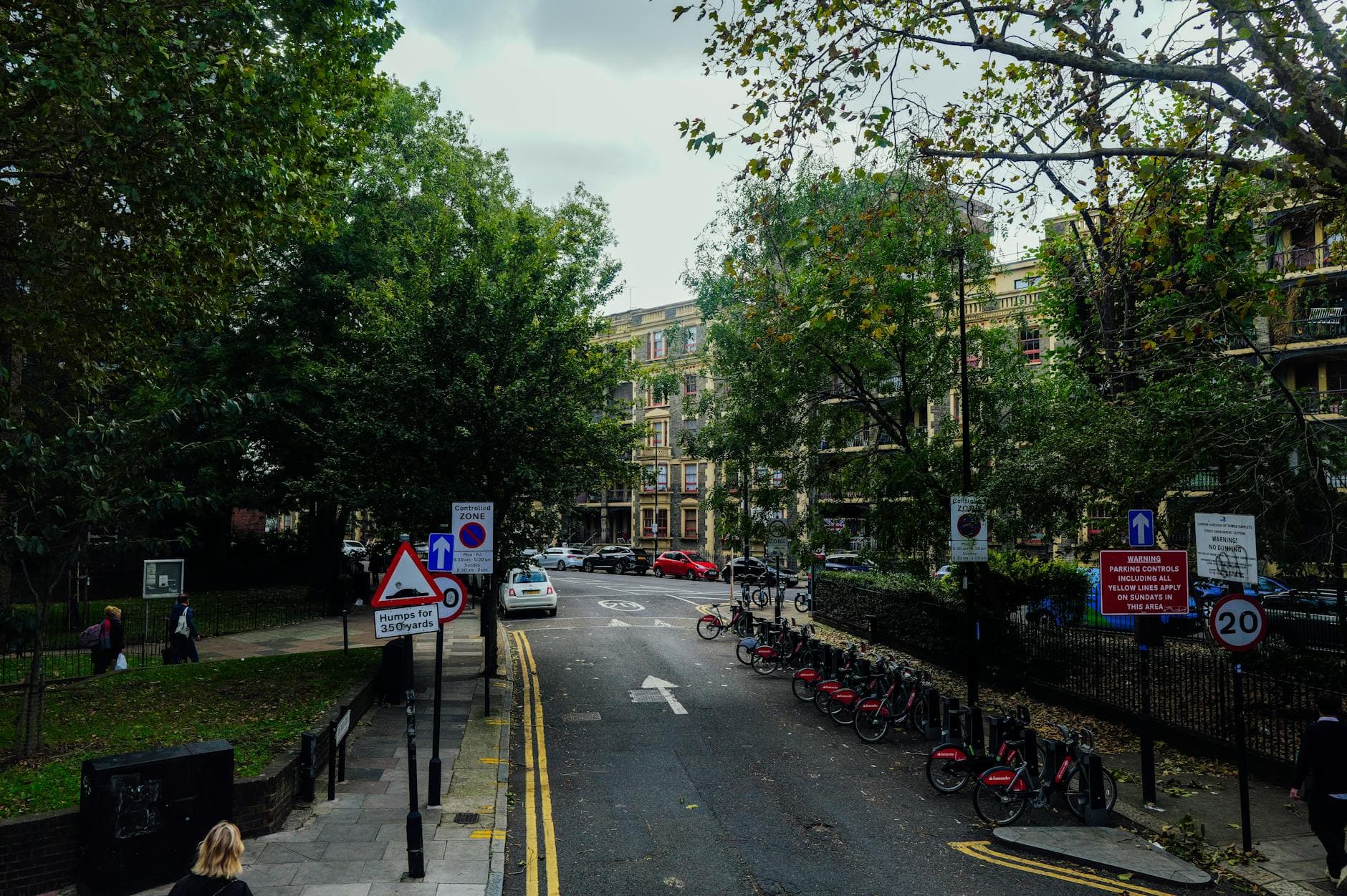
A Controlled Parking Zone is a defined area where parking restrictions apply across the entire zone — not just on individual marked bays. When you drive into an Islington CPZ, you pass an entry sign that sets out the rules for the whole zone. That sign is doing a lot of heavy lifting.
Inside a CPZ, you can't simply park on any unmarked stretch of road during controlled hours and assume you're fine. The zone-wide restrictions mean that unless you're parked in a marked, permitted bay, you may be in contravention — even if there's no yellow line in sight.
This surprises a lot of drivers. They see a clear stretch of road, no lines, no individual signs — and park. Then they get a ticket. The CPZ entry sign they passed on the way in was the only warning they needed, legally speaking.
Islington CPZ Hours: What You Need to Know
Islington operates multiple CPZs, and here's the critical detail: they don't all run the same hours. Different zones across the borough have different controlled periods. Common patterns include:
- Monday to Friday, 8:30am–6:30pm
- Monday to Saturday, 8:30am–6:30pm
- Monday to Friday, 8am–8pm (in some busier zones)
- Seven days a week in a handful of high-demand areas
Some zones also operate short-stay visitor bays within them, with their own separate time limits — often one or two hours maximum, with no return within a set period.
Pro tip: Don't assume that because one Islington street has a particular CPZ schedule, the next street over does too. Zone boundaries can change mid-road, and hours can differ significantly between neighbouring zones.
The only reliable way to know the hours for a specific location is to check the CPZ entry sign when you drive in, or use Islington Council's online parking map before you travel.
How CPZ Entry Signs Set the Restrictions
This is where a lot of drivers come unstuck — and where many successful appeals are built.
Under the Traffic Management Act 2004 and the associated Traffic Signs Regulations and General Directions, CPZ entry signs are legally required to clearly display:
- The zone name or identifier
- The days and hours of operation
- Any exemptions (such as permit holders)
If the entry sign is missing, obscured, damaged, or contradictory, that's a potentially strong basis for appeal. The sign is the legal notice to the driver. Without a clear, compliant sign, the council's ability to enforce restrictions within the zone is undermined.
Common sign problems to look for:
- Vegetation (trees, hedges) obscuring part of the sign
- Faded or damaged text making hours illegible
- Conflicting information between the entry sign and any individual bay signs nearby
- No entry sign visible when approaching from a particular direction
If you're appealing, photograph the entry sign — and any other nearby signs — as soon as possible after receiving your PCN. This evidence can be decisive.
CPZ Bays: The Different Types and What They Mean
Inside an Islington CPZ, the road markings and bay signs tell you what each space is for. The main categories you'll encounter are:
- Resident permit bays — for vehicles displaying a valid Islington resident permit for that specific zone
- Pay & display bays — available to any driver who pays, usually with a time limit
- Shared-use bays — permit holders can park free; others can pay for a limited period
- Loading bays — restricted to loading/unloading within specified times
- Suspended bays — temporarily out of use, often for skips, scaffolding, or events
Each bay type has its own rules, and parking in the wrong type — or without the right permit — is a separate contravention from simply parking outside a bay altogether.
Pro tip: If you parked in a resident bay without a permit and received a PCN, check whether the bay markings were clear and whether the individual bay sign was compliant. Faded or missing bay signs have successfully overturned PCNs at adjudication.
Common PCN Pitfalls in Islington CPZs
Based on the types of contraventions most frequently issued in Islington, these are the scenarios that catch drivers out most often:
- Parking outside a marked bay during controlled hours — the zone-wide restriction applies even without yellow lines
- Displaying an expired or wrong-zone permit — Islington's zones are lettered (e.g., Zone B, Zone C), and a permit for one zone doesn't cover another
- Overstaying in a pay & display or shared-use bay — the time limit is strictly enforced
- Returning to the same bay too soon — some bays have "no return within 1 hour" or "no return within 2 hours" conditions
- Parking during a suspended bay period — suspension notices are sometimes posted with short notice and easy to miss
Building Your PCN Appeal: The Best Evidence
If you believe your PCN was issued unfairly, act quickly. You have 28 days from the date of the PCN to make an informal representation to Islington Council. Here's what gives you the strongest appeal:
Photographic evidence:
- The CPZ entry sign (showing hours, condition, and visibility)
- The bay markings at your parking location
- Any individual signs near where you parked
- Your vehicle's position in context
Supporting documentation:
- A valid permit (if you had one and it wasn't displayed correctly through no fault of your own)
- Payment confirmation if you used PayByPhone or a pay & display machine
- Witness statements if relevant
Grounds most likely to succeed:
- The entry sign or bay sign was missing, obscured, or contradictory
- The PCN contains incorrect details (wrong VRM, wrong location, wrong contravention code)
- The restriction wasn't legally in place (check Islington's Traffic Regulation Order via a Freedom of Information request if needed)
- You had a valid exemption (e.g., a Blue Badge, a loading exemption, or a grace period that wasn't honoured)
If your informal appeal is rejected, you can escalate to a formal representation — and if that fails, to the London Tribunals (formerly the Parking and Traffic Appeals Service), which is fully independent of the council.
If You Lose the Informal Stage — Don't Give Up
Islington Council, like all London boroughs, must issue a Notice of Rejection if they turn down your informal appeal. That notice will include a Notice to Owner, which triggers your right to make a formal representation. At this stage, you're still within the process — and the independent adjudicator at London Tribunals overturns a significant proportion of cases where the evidence is solid.
The key is building a clear, factual case around the signage, the legal requirements, and any procedural errors. Emotional arguments rarely succeed; documented evidence does.
Your Next Steps
Whether you've just received a PCN or you're trying to avoid one in future, here's what to do:
- Check the CPZ entry sign every time you park in an unfamiliar Islington street — note the zone letter and hours
- Use Islington Council's parking map online to verify restrictions before you travel
- Photograph everything if you receive a PCN — signs, bay markings, your vehicle's position
- Check your permit zone carefully — parking in the wrong lettered zone is one of the most common and easily avoided mistakes
- Appeal promptly — you have 28 days, but the sooner you gather evidence, the better
- Don't ignore a PCN — failure to respond escalates the charge and limits your appeal rights
Islington's CPZ network is dense, well-enforced, and unforgiving of mistakes. But it's also a system governed by strict legal requirements — and when those requirements aren't met, drivers have real grounds to fight back.
Written by
Marcus Campbell
Former Traffic Warden
Ready to Challenge Your Ticket?
Let our AI analyse your PCN and generate a professional appeal letter in minutes.
Start Free Appeal