
Iced Windscreen Driving Could Put Your Licence at Risk
UK drivers are being urged to clear iced windscreens before setting off. Learn the law, potential penalty points and why repeat offences can threaten a licence.

The Parking Ticket Pal Editorial Team
24 November 202610 min read
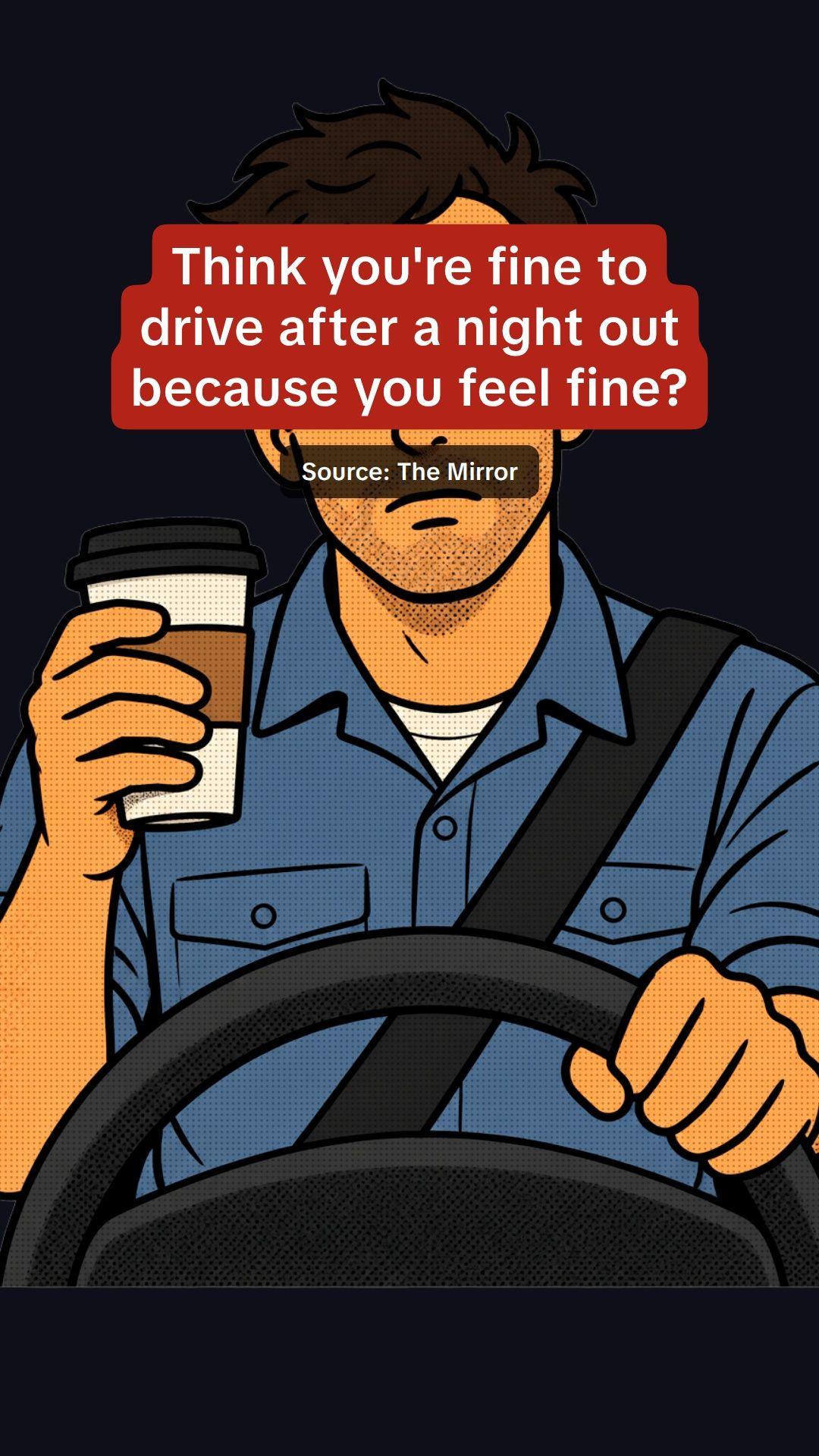
Editor's note (not part of the post): The source summary says only that a "common morning mistake" could cost drivers their licences, with 1,700+ stops last year. It doesn't name the mistake. I've assumed it is driving the morning after drinking, which fits the licence-loss angle, but please check this against the Mirror article before publishing. I've kept the post to the figure the source gives and added no other statistics.
Lawyer Warns Thousands Could Lose Their Licence Over a Morning Mistake
You have had a few drinks, gone to bed at a sensible hour and slept for seven or eight hours. You wake up feeling fine, make a coffee and head out to work. Most people would say they are safe to drive.
Legally, they might not be. A report in the Mirror has put a spotlight on this blind spot, warning that a common morning mistake could cost drivers their licences. According to the report, more than 1,700 people were stopped for the issue last year. Here is what that means in practice.
What the report says
The Mirror's article draws on a warning from a lawyer, who says thousands of motorists could be at risk of a ban through a habit that feels harmless. The headline figure is that over 1,700 people were stopped last year.
That number is worth a pause. It covers only drivers who were stopped. It says nothing about the many others who may have driven over the limit and never been caught. The report doesn't claim to measure that, and neither should we. What it does show is that this is not a rare, freak scenario.
The core message is simple. Feeling sober is not the same as being under the legal limit, and the law only cares about the second.
Why the morning after catches people out
Alcohol doesn't vanish when you fall asleep. Your body clears it at a steady rate that you cannot speed up. A rough rule often quoted is about one unit an hour, but this is only a guide. The real figure varies with your weight, sex, age, metabolism, what you ate and how much you drank in the first place.
A few things make the morning after especially risky:
- Sleep doesn't speed things up. Your body processes alcohol at much the same rate whether you are asleep or awake. Eight hours in bed is not eight hours of extra clearing.
- Strong drinks and large measures add up. A large glass of wine or a strong craft beer can contain several units, far more than people assume. A heavy night can leave alcohol in your system well into the next day.
- Late finishes shrink the gap. If your last drink was at midnight and you drive at 7am, the window may be far shorter than it feels.
- Hangover tricks don't work. Coffee, a cold shower and a fry-up may make you feel more alert, but they do nothing to your blood or breath alcohol level.
There is also a psychological trap. Many drivers judge their fitness by how they feel, and a clear head can mask a reading that is still over the limit.
The legal limits
Drink-driving law is set out mainly in the Road Traffic Act 1988. The prescribed limits are:
| Nation | Breath (µg per 100ml) | Blood (mg per 100ml) | Urine (mg per 100ml) | |---|---|---|---| | England, Wales and Northern Ireland | 35 | 80 | 107 | | Scotland | 22 | 50 | 67 |
Scotland's limit is lower, so a drive that is legal in Carlisle could be an offence a few miles north. Anyone who regularly crosses the border should keep that in mind.
Crucially, the offence is about the level of alcohol, not about how you were driving. You do not need to be weaving, speeding or involved in a crash. A routine stop, a minor bump or a spot check can be enough to trigger a breath test.
What happens if you are caught
For driving or attempting to drive with excess alcohol, the maximum penalties include up to six months in prison, an unlimited fine and a driving ban. A conviction carries a minimum 12-month disqualification. If you have a previous drink-drive conviction within the last ten years, the minimum ban rises to three years.
You can also be charged with being in charge of a vehicle while over the limit, even if you weren't driving. That offence carries penalty points rather than an automatic ban, though a court can still disqualify. Sitting in your car with the keys to hand after a night out can be enough to land you in trouble.
Higher readings and refusals can bring tougher outcomes. Drivers who are well over the limit, or who fail to provide a specimen, can be treated as high-risk offenders. In that case, the DVLA may require a medical assessment before a licence is returned.
The wider fallout
The ban is only the start. A drink-drive conviction typically brings:
- A sharp rise in insurance premiums, and some insurers may decline to quote at all
- Problems at work, especially if you drive for a living or need a licence for your role
- Complications travelling, as some countries ask about criminal convictions
- A conviction on your record, which may need to be disclosed in some job and insurance applications
If the court offers it, a drink-drive rehabilitation course may reduce the length of a ban. It is generally available to those banned for 12 months or more, and the reduction is limited. It is worth knowing about, but it is not a get-out-of-jail card.
How the testing process works
Most drivers meet the process in two stages.
1. The roadside test. Police can require a breath test in several situations, including if you have committed a moving traffic offence, been involved in a collision, or if an officer suspects you have been drinking. A positive result usually means arrest and a trip to the station.
2. The evidential test. At the station, you provide breath samples on a more precise machine. The lower of the readings is generally the one used. In certain situations, such as a reading near the limit, you may be offered the chance to provide a blood or urine sample instead. If that option is put to you, take it seriously and consider asking for legal advice.
Failing to provide a specimen without a reasonable excuse is itself an offence, and can carry penalties comparable to drink-driving. Refusing is rarely a clever tactic.
What drivers should know
This is general information, not legal advice, but these are the practical points worth thinking about.
Plan the morning before the night. If you know you have an early start, the simplest approach is to cut back or stop drinking altogether. That is the only reliable way to remove the risk.
Work out a realistic cut-off. If you have had a heavy night, assume you may be over the limit for many hours afterwards. If in doubt, don't drive. Take the train, a taxi, a lift or work from home.
Count units, not drinks. Drinkaware and the NHS publish unit guides. A pint of strong lager or a large glass of wine can be 3 units or more. Our guesswork usually undercounts.
Don't trust how you feel. Feeling fine, having slept well or having had a big breakfast tells you nothing about your alcohol level.
Be careful about lending your car or getting in with someone else. You can be convicted of offences involving a vehicle you were in charge of. Passengers who knowingly get a lift from a drunk driver also put themselves in danger.
Remember the work angle. Professional drivers, such as couriers, HGV drivers and taxi drivers, often face employer policies that are stricter than the legal limit, as well as the threat of losing their living.
If you are stopped:
- Stay calm and cooperate
- Don't refuse a specimen without taking advice
- Ask for a solicitor at the station if you are arrested
- Keep a note of what you drank and when, though do be honest with your solicitor
If you are facing a charge, speak to a qualified solicitor who specialises in road traffic law. Outcomes depend heavily on the facts, such as procedure, readings and your history, so general guides like this one cannot tell you where you stand. Official guidance is also available on GOV.UK.
Why it matters beyond the headline
The Mirror's report is a reminder that most drink-driving risk is not about the dramatic, roaring-drunk driver that campaigns usually depict. Many drivers caught out are ordinary people who made a reasonable-sounding judgement and got it wrong. They had a normal night, a decent sleep and a normal morning.
For those drivers, the consequences are the same as for anyone else. A minimum year without a licence can mean losing a job, struggling with childcare or school runs, and paying considerably more for insurance for years afterwards. In rural areas without good public transport, it can mean being effectively cut off.
This is why the lawyer's warning resonates. The offence can feel like an accident of timing rather than a deliberate choice, but the law doesn't draw that distinction. Being sorry, or having had no idea, is generally not a defence.
If you want to understand how the limits and thresholds sit within the wider framework, our explainer on the lower drink-drive limit and what drivers need to know is a useful companion, and our overview of UK driving law changes on drink-drive, eyesight and ANPR covers the direction of travel.
Looking ahead
Enforcement is changing. Police forces are making greater use of technology, including ANPR and roadside checks, and there is a continuing debate about whether the English limit should be lowered to match Scotland's. We have covered that conversation before, and any change would shrink the margin for error further.
Whatever happens in policy, the practical direction is the same. As limits tighten and detection improves, the "I felt fine" defence gets weaker, not stronger.
The report's 1,700 figure is a snapshot, not a ceiling. What it should prompt is a change in habit. Treat the morning after like the night before, and if there is any doubt about whether you are clear, leave the keys where they are. Losing a lift into work for one day is a small price compared with losing your licence for a year.
This article is general information about UK motoring law and is not legal advice. If you are facing a charge or have concerns about your own situation, seek advice from a qualified solicitor.
Written by
The Parking Ticket Pal Editorial Team
Source-checked parking guidance