Hull Hospital Parking Fines Revoked After Patient Outcry
Hull City Council revoked parking fines issued while a woman was critically ill in hospital. We examine enforcement, PCNs and motorists' rights in England.

The Parking Ticket Pal Editorial Team
3 September 2026
When "Get Well Soon" Comes With a Parking Fine: The Hull Hospital Case That Shocked Britain
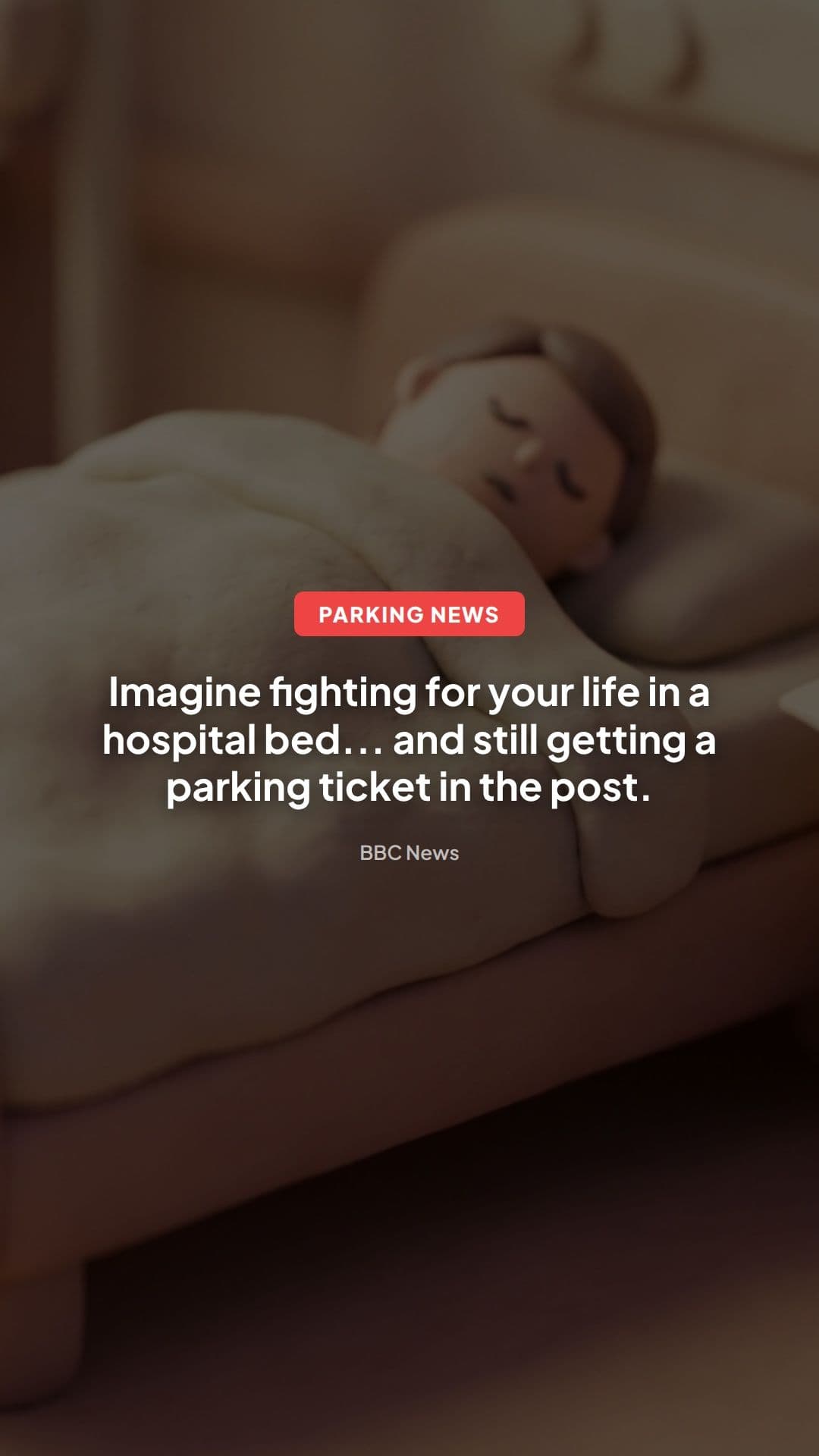
Imagine being so seriously ill that your family are told to prepare for the worst, only for a parking charge notice to land on your windscreen or through your letterbox while you're fighting for your life in a hospital bed. It sounds like the plot of a dark satire about modern Britain. Unfortunately, it's exactly what happened to a patient at a Hull hospital, according to a BBC News report that has reignited a familiar and uncomfortable debate about how parking is enforced on NHS sites.
Hull City Council eventually revoked the charges after the story drew public criticism. But the fact that they were issued at all raises serious questions about how parking enforcement interacts with some of the most vulnerable people using our hospitals, and what protections, if any, exist for patients and their families in genuine crisis.
What Happened
According to the BBC's reporting, a patient who was critically ill and being treated in hospital in Hull received parking charges relating to their vehicle while they were, quite literally, fighting for their life. The charges appear to have been issued through the normal enforcement process, with no apparent flag or safeguard to catch the fact that the vehicle's owner was in no position to move it, pay for further parking, or even be aware a ticket had been issued.
It was only after the case attracted public attention and criticism, presumably from family members, campaigners or local media raising the alarm, that Hull City Council stepped in and cancelled the charges. The council's response suggests this was treated as an exceptional case resolved through discretion rather than through any automatic exemption built into the system.
That distinction matters enormously. A charge that only gets cancelled because a story goes public is very different from a system designed from the outset to prevent this kind of thing happening.
Why It Matters
Hospital car parks occupy a strange position in UK parking regulation. Some are run directly by NHS trusts, others by private parking operators under contract, and enforcement can range from ANPR (automatic number plate recognition) cameras to physical patrols issuing tickets on windscreens. Whatever the operator, the fundamental problem is the same: parking enforcement systems are built to process volume efficiently, not to exercise judgement about individual human circumstances.
A camera or warden checking a bay has no way of knowing that the car's owner is unconscious in intensive care three floors up. The enforcement is entirely mechanical. It's only when a case escalates, whether through a formal appeal, a complaint, or in this instance a wave of public criticism, that a human being actually looks at the context and decides whether the charge should stand.
This case sits alongside a long history of hospital parking controversies in the UK. Campaigners have repeatedly criticised NHS trusts and local authorities for charging patients, visitors and even staff to park at hospitals, arguing that illness is not a lifestyle choice and that people attending hospital, often at the most frightening moments of their lives, should not be treated as a revenue stream. Scotland and Wales have largely abolished hospital parking charges for patients and visitors, while England has retained them in most areas, albeit with concessions for certain groups such as Blue Badge holders, parents of sick children, and frequent attenders for conditions like cancer or kidney dialysis.
The Hull case is a reminder that even where concessions exist on paper, they depend on someone actively applying for them, which is simply not possible if you are unconscious, in a coma, or in the kind of critical condition described in this story.
The Legal Angle
There's no single piece of legislation that specifically addresses "parking fines issued to critically ill hospital patients". Instead, this case sits at the intersection of several overlapping legal and regulatory frameworks.
Council-run car parks are typically enforced under the Traffic Management Act 2004, using civil parking enforcement powers. Local authorities have discretion to cancel a Penalty Charge Notice (PCN) at any stage, including after it has been issued, if they believe there are mitigating circumstances. This is exactly the mechanism Hull City Council appears to have used here: not a legal requirement to cancel, but a discretionary decision once the facts became known.
Privately operated hospital car parks, which are common across NHS trusts that outsource parking management, generally operate under contract law rather than the Traffic Management Act. Charges issued by private operators are technically "parking charge notices" rather than statutory penalty charge notices, and they're governed by the British Parking Association (BPA) or International Parking Community (IPC) codes of practice, depending on which trade body the operator belongs to. Both codes allow for appeals on compassionate or exceptional grounds, but again, this relies on someone submitting that appeal.
It's also worth noting the government's ongoing reforms to the private parking sector, which include plans for a statutory Single Code of Practice designed to standardise how appeals are handled and to curb aggressive enforcement practices. However, these reforms have faced repeated delays, and cases like this one illustrate why campaigners argue the changes can't come soon enough.
There is currently no statutory duty compelling either councils or private operators to check whether a driver is a hospital inpatient before issuing a charge, nor any national database flagging vehicles belonging to critically ill patients. Everything hinges on discretion, complaint, and in cases like this, public pressure.
What Drivers and Families Should Know
If you or a family member end up in a similar situation, whether hospitalised suddenly, unable to move a vehicle, or simply unaware that a PCN has been issued because you're preoccupied with a medical emergency, there are practical steps worth knowing about, though every case is different and the right course of action will depend on your specific circumstances.
- Don't ignore a PCN even if it seems unfair or absurd. Ignoring it can allow the process to escalate towards debt recovery or bailiff action, which becomes far harder to unwind than an early, well-evidenced appeal.
- Gather evidence of hospitalisation as early as possible. A letter from the hospital confirming dates of admission, or discharge paperwork, can be powerful evidence in a formal representation or appeal.
- Use the formal channels available. Council-issued PCNs can be appealed formally, and if refused, escalated to an independent tribunal. Private parking charges can be appealed through POPLA (for BPA members) or the Independent Appeals Service (for IPC members).
- Ask about hospital-specific exemptions in advance where possible. Many NHS trusts offer concessionary or exempt parking for frequent attenders, parents of children in hospital, and Blue Badge holders, but these usually need to be arranged proactively rather than retrospectively.
- Don't assume "the council will sort it out" automatically. As this case shows, cancellation often only happens after someone actively raises the issue, whether that's a family member, a citizens advice service, or the media.
- Keep all correspondence. If a charge is later revoked, as happened in Hull, having a clear paper trail protects you if the charge is mistakenly re-issued or referred to a debt collector.
If you're dealing with a genuinely serious situation involving hospitalisation, bereavement, or other exceptional circumstances, it's worth seeking guidance from a free advice service or specialist support rather than navigating the appeals process alone under stress.
Looking Ahead
The revocation of these charges is a welcome outcome, but it's a reactive fix rather than a systemic one. Hull City Council deserves credit for reversing course once the facts were made public, but the underlying question remains uncomfortable: how many similar cases go unnoticed, unreported, and uncancelled simply because nobody thought to raise them?
This story adds to growing pressure on both local authorities and private parking operators to build genuine safeguards into enforcement systems, rather than relying on public embarrassment as the trigger for common sense. Whether that means better staff training, clearer signposting of compassionate exemptions, or a formal duty to pause enforcement when hospitalisation is disclosed, the Hull case is likely to be cited by campaigners pushing for reform of hospital parking policy in England.
For now, the lesson for drivers and families is a sobering one. In a moment of crisis, parking is probably the last thing on anyone's mind, and yet the enforcement system doesn't pause for anyone. Knowing your rights, and knowing who to contact quickly, remains the best protection until the rules themselves catch up with basic human decency.
Written by
The Parking Ticket Pal Editorial Team
Source-checked parking guidance
Ready to Challenge Your Ticket?
Let our AI analyse your PCN and generate a professional appeal letter in minutes.
Start Free Appeal