
Haringey PCN Appeal Refused: Shared-Use Bay Lessons
A Haringey PCN appeal over parking in a residents' shared-use bay was refused. Learn how permits, signs and evidence can shape your challenge to a PCN.

The Parking Ticket Pal Editorial Team
15 November 20269 min read
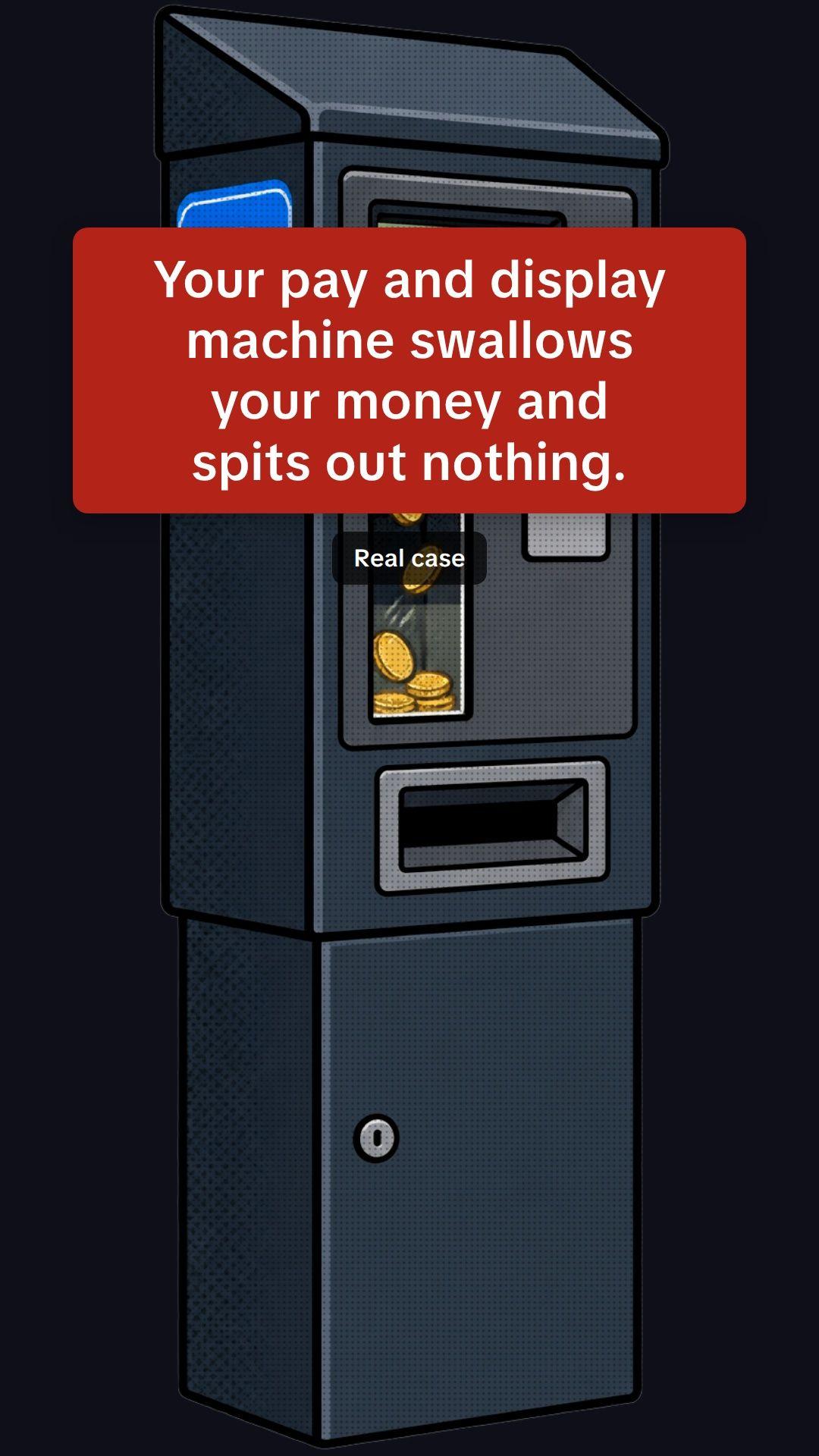
Pay and Display Machine Broke? Why a Haringey Driver Still Lost Her Appeal
You pull up, find the machine, feed in your coins and wait. Nothing. Your money disappears and no ticket appears. You try again. Still nothing. Most of us would call that the council's problem, not ours.
A recent Haringey tribunal decision shows why that instinct can be dangerous. The driver did several things many motorists would consider reasonable, and her appeal was still refused. The case is a useful reminder of how the law treats a broken machine, and of how much a few extra steps can matter.
This article is general commentary on a tribunal decision. It is not legal advice.
The case: what happened
The appellant was the person responsible for the vehicle, but he did not attend in person. His wife, Miss Merrick, represented him at the hearing. She was also the driver on the day, so the adjudicator heard the account first-hand.
The Haringey penalty charge notice (PCN) alleged that the vehicle was in a "residents shared use place without permit". Shared use bays are a common feature of London streets. Residents with the right permit can park in them, and other drivers can usually park there too, provided they pay for the time using pay and display. The bay serves two groups, but anyone without a permit must have paid.
The facts were not in dispute:
- Miss Merrick parked and went to a nearby pay and display machine.
- She put money in twice, but the machine failed to produce a ticket.
- She looked for another machine in Winkfield Road but could not find one.
- She waited for a while in case a Civil Enforcement Officer appeared. None did.
- She left a note in the vehicle explaining that the machine had failed to issue a ticket.
By any ordinary standard, that is a driver making a real effort. The tribunal still found against her.
The arguments
The driver's case was simple and sympathetic. She had tried to pay, and the machine, not her, had caused the problem. She had made a second attempt, searched for another machine, waited for an officer and left a note explaining the situation. In her view, a motorist who does all that should not be penalised for a council machine's failure.
The council's case was more technical. The authority's position, reflected in the adjudicator's reasoning, was that the contravention is about what was displayed in the vehicle. The vehicle was parked in a shared use bay with no valid pay and display ticket and no permit on show. Whatever the reason, the conditions of the bay were not met.
The decision
The adjudicator refused the appeal. In short:
- The vehicle was parked without a pay and display ticket displayed, as required.
- That means the contravention occurred.
- If one machine does not work, the motorist must look for another machine from which to buy a ticket.
There was one further detail. The adjudicator said he was minded to adjourn the case and ask the council for information about where other machines were located. That would have tested Miss Merrick's point that she could not find another machine nearby. But she told him she did not want an adjournment and would pay the penalty. The adjudicator therefore decided the case on the evidence in front of him, and refused the appeal.
The legal reasoning in plain English
Parking contraventions are usually strict
Most council parking contraventions work on a "did it happen or not" basis. The question is not whether you meant any harm or tried hard. It is whether the vehicle was parked in the bay without meeting the conditions, here a valid permit or ticket displayed.
So the adjudicator started from a simple point. There was no ticket, so the contravention occurred. The driver's sympathetic story did not change that.
Why a broken machine is not an automatic defence
The key legal idea in this decision is a duty to take reasonable steps. A faulty machine is a genuine problem, but the adjudicator's approach was that the motorist's obligation to pay does not vanish when one machine fails. If the first option is unavailable, the driver is expected to try the next one, whether another machine or, where the council offers it, another payment method.
Think of it like a broken ticket barrier at a train station. It might not be your fault that it is broken, but that does not mean you can simply board without a ticket. You are expected to find another way to pay.
Why the note in the windscreen did not help
Leaving a note is a natural and sensible thing to do, and it may help you show good faith. But a note is not a valid ticket. The bay's rules are met by displaying a permit or a ticket, not by an explanation. A note might be relevant if a council chose to exercise discretion, but it does not change whether the contravention occurred.
Why the missing information mattered
This is probably the most interesting part of the case. The adjudicator clearly saw that the driver's account (she looked for another machine and could not find one) was the heart of her argument. Whether another machine was reasonably available is exactly the sort of factual question that could have affected the outcome. He was ready to ask the council for that information.
But the driver chose not to proceed that way and said she would pay. The tribunal was left with an unchallenged finding that there was no ticket and a legal principle that the motorist should look for another machine. It is a good example of how the choices made at a hearing can shape what a decision rests on. We cannot know what an adjournment would have produced, and it would be wrong to speculate.
A word about how far this decision goes
This is one adjudicator's decision on the facts of one case. It is not a rule that applies automatically to every broken machine in every borough. Different cases turn on different evidence, such as how many machines were nearby, whether signs pointed to alternatives and what the driver actually did. But the reasoning is a helpful window into how tribunals approach the issue.
Lessons for drivers
These are general lessons from the case, not instructions for any individual situation.
1. A fault with the machine is not the same as a defence
The central lesson is that "the machine did not work" is the start of the analysis, not the end. Decisions like this suggest tribunals will look at what the driver did next. If you hit a fault, the question becomes whether you took reasonable steps to pay another way.
2. Alternatives may include more than another machine
The adjudicator spoke about finding another machine. Many councils also offer phone or app payment, though not every bay or area does, and arrangements vary. Check the signs on the bay, which usually explain how to pay and what the rules are. Our guide on parking apps and broken meters looks at this in more detail.
3. Evidence made at the time is valuable
The driver here did several sensible things, but a note was the only record she left. Drivers who find a faulty machine often find it helpful to photograph the machine, any error message and the surrounding signs, and to note the time and location. If a dispute follows, contemporaneous evidence about how many machines were nearby, or whether alternatives were signposted, can make an account far easier to test. Our article on PCNs where no pay and display ticket was shown covers related ground.
4. Think carefully before declining a chance to test the facts
Where an adjudicator offers to gather more information, that may be a chance to check whether your account holds up. Whether to accept is a personal decision with real consequences. If the stakes are significant, it may be sensible to seek advice from a professional adviser or an independent consumer organisation, and to read the official guidance from the tribunal on how appeals work. Our walkthrough of the traffic penalty tribunal process explains the stages.
5. Shared use bays have two sets of rules
Shared use bays can confuse drivers because they mix resident and visitor use. Without a permit, you generally need a valid paid ticket displayed. If you want a closer look at how these bays work, see our guide to shared use bays and our look at another shared use appeal that was refused.
Key takeaway
When a pay and display machine fails, the fault is not the end of your duty to pay. Tribunals may expect you to find another way, and to be able to show what you did.
A broken machine can feel like the end of the matter. This case shows it may only be the start of a longer set of questions about what a reasonable driver would do next, and how well they can prove it afterwards. Miss Merrick's efforts were genuine, but the case turned on the rule that a missing ticket means a contravention, and on the choice she made at the hearing.
If you receive a PCN in similar circumstances, read the notice carefully, check the official guidance on challenging it, and consider independent advice if the outcome matters to you. For help on how to put your side of the story, see our guide to formal representations for PCNs.
Written by
The Parking Ticket Pal Editorial Team
Source-checked parking guidance