
Faulty Speed Cameras: National Highways' 10 Missed Warnings
National Highways missed ten opportunities to fix 150+ faulty speed cameras. Our guide explains what this could mean for drivers and enforcement rules.

The Parking Ticket Pal Editorial Team
18 November 202611 min read
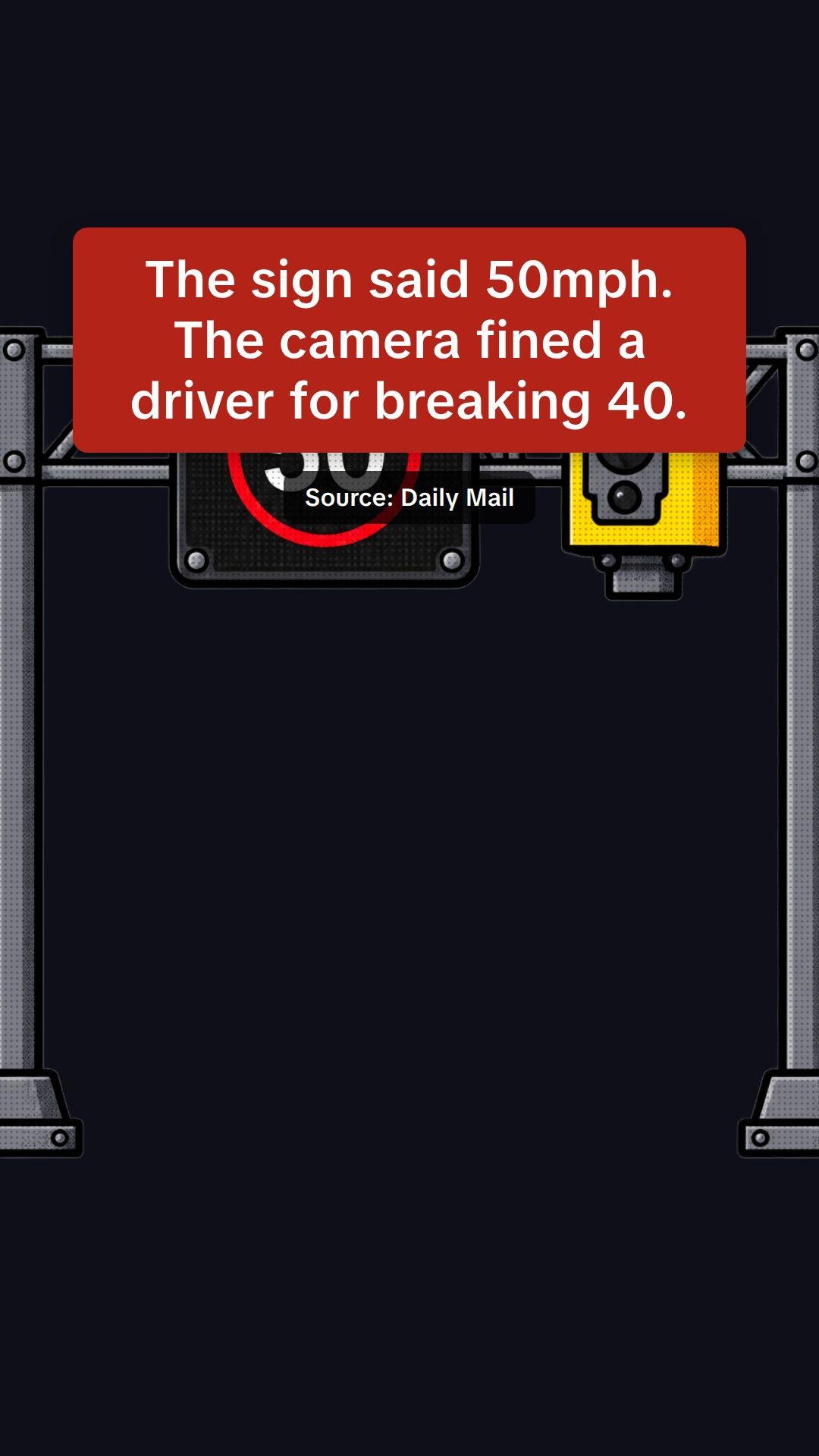
Ten missed chances: what the faulty speed camera failings mean for drivers
Most of us accept speed cameras as a fact of motoring life. We may grumble, but we assume the kit works. That assumption sits at the heart of how enforcement operates in the UK, which is why a recent report on National Highways deserves attention from anyone who drives on the strategic road network.
According to the Daily Mail's coverage, the report found that National Highways repeatedly failed to act on warnings about more than 150 faulty speed cameras. The headline says there were ten missed chances in a single year to spot and fix the problem. The public was not told until the following December.
What happened
The story, as reported, comes down to three points:
- More than 150 cameras were affected by faults.
- Warning signs were missed repeatedly. The report counts ten occasions across a year when the problem could have been identified and dealt with.
- Public disclosure was slow. Drivers were not alerted until the December after the issues had been building.
It is worth being careful about what we do not know. The source material we have does not say exactly what the faults were, how many motorists may have been affected, or whether the cameras wrongly recorded offences, failed to record them, or both. Those details matter a great deal, and anyone writing about this should avoid guessing. Where this article discusses consequences, it considers both possibilities.
National Highways is the government-owned company responsible for motorways and major A roads in England. Its camera estate has grown rapidly alongside the spread of smart motorways, where variable speed limits displayed on overhead gantries are enforced by cameras. Enforcement there depends on the cameras reading the correct limit, measuring speed accurately and sending clean evidence to the police.
If a camera is out of step with the limit shown on the gantry, or is faulty in how it measures or records, the whole chain weakens.
Why it matters
Trust is the currency of enforcement
Speed cameras work because most drivers believe they are fair and accurate. Once that belief erodes, compliance suffers and so does the legitimacy of every penalty issued. A delay in telling the public makes it worse. If a fault exists, the sooner drivers know, the sooner anyone wrongly penalised can act.
The reported gap between the problem emerging and the public being told is the sharpest part of this story. For a driver who received a notice during that window, time matters. Deadlines for challenging a penalty or conviction are tight, and some routes narrow considerably once fines are paid or points added.
Two very different kinds of fault
A faulty camera can cause harm in two directions:
- Wrongly penalising drivers. If a camera records the wrong speed, applies the wrong limit, or produces unreliable evidence, innocent or only marginally speeding drivers may receive notices.
- Failing to catch genuine offenders. A camera that does not work gives a false sense of deterrence on stretches of road where it may be most needed. That is a road safety problem, not just a revenue one.
We have covered other camera failures on this site before. See our articles on speed camera faults that wrongly fined thousands of drivers, 36,000 speeding fines cancelled after a smart motorway fault and a fault that let thousands avoid penalties. The pattern is that cameras are only as reliable as the maintenance, monitoring and escalation systems behind them.
Accountability sits across several bodies
One reason failures like this can persist is the split of responsibilities. On the strategic road network, National Highways manages and maintains much of the infrastructure, while police forces process offences and prosecute. Warnings can fall between organisations. The ten missed opportunities described in the report suggest the weakness may lie in how signals were identified, escalated and acted on, rather than any single technical failure. That is a governance question as much as an engineering one.
The legal angle
This is general information, not legal advice. If you have received a notice or conviction and are worried about camera accuracy, speak to a solicitor who specialises in road traffic law, or contact an organisation such as Citizens Advice.
How camera evidence works
Speeding is an offence under the Road Traffic Regulation Act 1984. For enforcement, the Road Traffic Offenders Act 1988 contains key rules:
- Notice of Intended Prosecution. In most cases, the registered keeper must be warned of possible prosecution within 14 days of the offence. A notice that arrives out of time can be a defence, although there are nuances, so do not assume.
- Approved devices. Under section 20 of that Act, a speed reading from a device of a type approved by the Secretary of State is admissible as evidence, usually requiring corroboration from a second source if it is not a device of that kind. In practice, this means speed cameras of an approved type are treated as reliable unless there is evidence to the contrary.
- Identifying the driver. Section 172 of the Road Traffic Act 1988 requires a keeper to say who was driving when asked, generally within 28 days. Failing to respond is a separate offence, so a worry about the camera should never become a reason to ignore the paperwork.
The approval point is crucial. The law gives cameras a presumption of reliability, but that presumption relies on the equipment operating properly. If a device was faulty, set up incorrectly or not working as approved, that can be challenged. Proving it is another matter, and it is not something an ordinary motorist can easily do alone.
Penalties and routes to challenge
A typical outcome for a modest speeding offence is a fixed penalty of £100 and three points, or sometimes an offer of a speed awareness course instead, depending on the circumstances and local police policy. Higher speeds can lead to court proceedings and larger penalties.
If you are concerned about a past penalty, the options vary depending on where the case stands:
- Before paying or pleading. You can contest the matter and ask for the evidence to be tested in court. A fixed penalty that is paid is treated as acceptance, so think carefully first.
- After a conviction. The route may be an appeal to the Crown Court, which has tight time limits, or an application to the magistrates' court under section 142 of the Magistrates' Courts Act 1980 to reopen a case in some circumstances. These are legal processes where professional advice is worth having.
- If points or fines were applied in error. Authorities that accept an error will usually say how corrections and refunds work. Do not assume this happens automatically.
What drivers should know
Here is how to think about this practically, without panic.
1. Do not assume every penalty is faulty. More than 150 faulty cameras is a serious number. But the reported failures do not mean every notice from National Highways cameras is unsafe. Most drivers who receive a notice were still driving above the limit.
2. Read your notice carefully. Check the date, time, location and alleged speed. Does the limit stated match what you remember of the signage on that stretch? On smart motorways, was a variable limit in force? Cross-check against your journey.
3. Keep records. Keep the notice, envelope and any correspondence. If you have dashcam footage, satnav records or a telematics app, save it. These do not prove your exact speed in court on their own, but they can help a solicitor assess the case.
4. Watch the deadlines. The 14-day notice rule for the keeper, the 28-day window to name the driver and the time limits for appeals are strict. If you think something is wrong, act early.
5. Ask for the evidence. If you are contesting, you can ask the prosecuting authority what evidence it relies on. A solicitor can advise whether that includes anything about the camera's condition at the time.
6. Think before paying. If a notice has a short payment window and you suspect a fault, weigh the cost of paying quickly against the possible loss of a challenge. This is the point where a short consultation with a motoring solicitor can be a sound investment.
7. Keep an eye on official announcements. Check updates from National Highways and your local police force. If authorities identify affected locations or dates, that information will matter for anyone wanting to review a past penalty.
Looking ahead
The report raises questions that go beyond this one episode.
Transparency. The delay before alerting the public is likely to be a focus for scrutiny. Expect calls for clear, prompt disclosure when faults are suspected, including which cameras, which dates and what remedy is available.
Monitoring and escalation. If there were ten chances to act, the fix is unlikely to be only technical. It will probably involve better monitoring, clearer ownership of warnings and faster escalation between National Highways, police and contractors.
Public confidence. The government and police have been expanding camera enforcement, including newer technology. Our pieces on speed camera networks doubling on smart motorways and AI speed cameras show how quickly the landscape is changing. More cameras means more reliance on systems working as intended. Every failure like this makes the case for independent assurance stronger.
Redress. If any drivers were wrongly penalised, how and whether they are compensated will matter. The source reporting does not tell us what remedy, if any, is planned. Drivers should watch for official guidance rather than assuming a blanket refund.
The bottom line
Speed limits exist for good reasons, and nothing here is a licence to ignore them. But enforcement only deserves public support if it is accurate, monitored and honest when things go wrong. According to the report, National Highways had ten opportunities to spot and fix these faults and was slow to tell the public.
For drivers, the sensible approach is practical rather than paranoid. Know your rights, respect the deadlines, keep your records and take proper advice if a penalty looks wrong. For those running the cameras, the message is simple: if you want drivers to trust the system, you have to show them it works.
This article provides general information about UK motoring law and is not legal advice. If you are facing a speeding penalty or conviction, consider speaking to a qualified solicitor or an official advice service.
Written by
The Parking Ticket Pal Editorial Team
Source-checked parking guidance