
Essex Hospital Parking Charges Rise: What Patients Face
Patients and visitors say higher Essex hospital parking charges add pressure. We examine 50% rises, 20-minute free stays and parking options before visiting.

The Parking Ticket Pal Editorial Team
27 September 2026
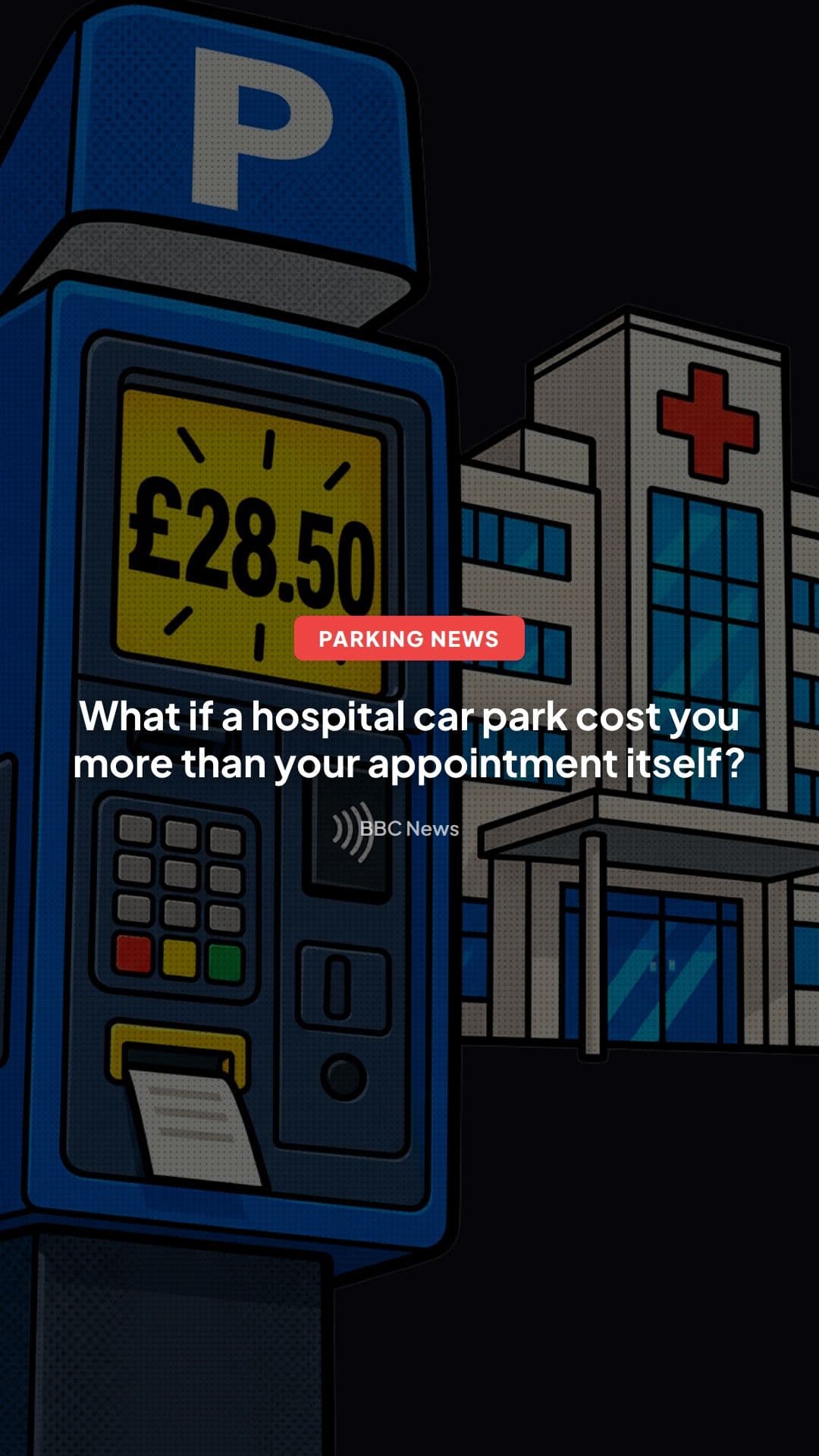
Hospital Parking Hike in Essex Only Adds Stress, Patients Say
There's a particular kind of dread that comes with driving to a hospital appointment. You don't know how long you'll be there, you're already anxious about why you're going, and now you've got ninety seconds to find a space before your consultation. For patients and visitors at several Essex hospitals, that dread has just got more expensive. Parking charges have jumped by around 50%, and the free grace period drivers once relied on for a quick drop-off or a dash to reception has been cut from 30 minutes down to just 20.
It sounds like a small administrative tweak. For the people living it, it's anything but.
What Happened
According to reporting by BBC News, several hospitals across Essex have increased their parking charges by roughly half, while simultaneously shortening the free parking window from half an hour to 20 minutes. Patients and visitors have been vocal in their frustration, describing the changes as adding an unwelcome layer of stress to what are often already difficult hospital visits.
The complaints aren't really about the principle of paying for parking, most people accept that hospital car parks cost money to run and maintain. The frustration is about the scale and speed of the change, and the shrinking of that crucial buffer zone. Twenty minutes doesn't get you very far in a hospital. It might cover parking the car, walking from a distant space to the entrance, checking in at reception, and then discovering your appointment is running late. For anyone dropping off a relative who needs help getting out of the car, or anyone who has to park some distance from the department they're visiting, that window can vanish before they've even reached the waiting room.
Why This Matters Beyond Essex
Hospital parking has long been a flashpoint in UK healthcare debate, and Essex is far from an isolated case. Trusts across England have been raising charges in recent years, citing rising running costs, inflation, and the expense of maintaining ageing car park infrastructure. But each increase reignites the same argument: should people who are already dealing with illness, bereavement, or the stress of visiting a sick relative be paying more to park while doing so?
There's also a fairness dimension. Hospital car parks don't serve a uniform population. They serve cancer patients attending repeated rounds of treatment, parents sitting with children in paediatric wards, elderly relatives visiting loved ones daily, and staff working irregular shifts because the wards never close. A 50% price rise and a shorter grace period land very differently depending on who you are and how often you need to be there.
It's worth remembering that NHS hospital parking charges in England aren't centrally set. Each NHS trust decides its own pricing and its own concessions, within guidance issued by NHS England. That guidance, first set out in 2019 and updated since, asks trusts to offer free or concessionary parking to specific groups, including Blue Badge holders, parents of children being treated as inpatients, staff working night shifts, and people who need to attend frequently for conditions such as cancer treatment or dialysis. Crucially, though, this is guidance rather than a binding legal duty enforceable by patients individually, and how generously it's applied varies from trust to trust.
That patchwork is part of why stories like this Essex one keep surfacing. There's no single national cap on hospital parking charges in England, and no statutory minimum grace period. Decisions are made locally, often by NHS trust boards balancing tight budgets against public goodwill, which means a patient in one county can face a completely different parking regime to a patient with an identical condition thirty miles away.
The Legal Angle: What Rules Actually Apply
It's important to be clear about what protections do and don't exist here, because hospital car parks sit in an unusual legal space.
Hospital car parks are generally private land. Even though the hospital is an NHS facility, the car park is typically managed either directly by the trust or, in many cases, by a private parking operator under contract. That means the charges and enforcement notices issued for overstaying are usually civil parking charges rather than local authority Penalty Charge Notices, though the practical effect on your wallet feels much the same. If you overstay, you may receive a Parking Charge Notice (PCN) under the British Parking Association or International Parking Community codes of practice, not a council-issued fine.
There is no statutory right to free hospital parking in England. Unlike Wales and Scotland, where free hospital parking has been rolled out much more widely (Scotland abolished most hospital parking charges some years ago, and Wales followed suit), England has stuck with a system of local charging supplemented by national concession guidance. This is a genuine and long-running policy divergence across the UK, and it means English patients don't have the same automatic entitlement their counterparts elsewhere in Britain do.
Grace periods are a matter of individual site policy, not law, when it comes to hospital-operated or contracted car parks specifically. However, it's worth knowing that reforms affecting private parking operators more broadly have been under discussion at government level, including proposals for a minimum grace period and a cap on charges, aimed largely at the wider private parking sector. Whether and how any future statutory minimum grace period would apply to hospital sites run under private contracts is something worth watching, since hospital car parks often sit at the intersection of NHS estate management and commercial parking operators.
If you believe you've been wrongly charged, for example, if signage was unclear, if you paid but the payment wasn't logged correctly, or if you fall into one of the concessionary categories but weren't offered it, you generally have the right to challenge the charge through the operator's internal appeals process, and then via an independent appeals service if the operator is a member of an accredited trade body. Persistence and clear evidence, such as timestamped photos of signage or payment confirmations, tend to matter far more than the emotional unfairness of the situation, however real that unfairness is.
What Drivers Should Know: Practical Steps
If you're facing a hospital visit in Essex, or anywhere else where charges have recently changed, a few practical habits can save you money and stress:
- Check the current tariff and grace period before you travel. Hospital trusts are required to publish their parking charges, usually on the trust's own website. Don't rely on your memory of last year's rates or last visit's grace period, both may have changed without much fanfare.
- Ask about concessions when you book your appointment. If you're attending frequently for a long-term condition, are a Blue Badge holder, or are a parent staying with a sick child, ask the ward or booking team directly whether a concessionary parking permit is available. These often aren't advertised prominently and require you to ask.
- Build in buffer time, not just for traffic, but for parking itself. With a 20-minute grace period, arriving "on time" for your appointment may not be early enough. Aim to arrive with enough margin to park, walk, and check in comfortably.
- Keep your parking receipt or payment confirmation. If a dispute arises later, this is your primary piece of evidence.
- If you receive a charge notice you believe is unfair, don't ignore it, but don't panic either. Understand who issued it and what appeals route applies before responding. Our guide to crafting an effective informal appeal is a useful starting point if you find yourself in that position.
- Blue Badge holders should check their specific entitlements at each site, since concessions can vary between trusts even for the same badge status. It's worth reading up on Blue Badge holder rights more broadly if you're not sure what you're entitled to.
Looking Ahead
The Essex situation is likely to keep generating headlines, not because it's unique, but because it's a case study in a much bigger, unresolved tension in English healthcare policy: hospitals need revenue to maintain their estates, and patients need affordable, low-stress access to care. Every time a trust raises charges or trims a grace period, that tension becomes visible again.
There have been growing calls, including from unions and patient groups, for reform of NHS parking charges in England more broadly, whether through a return to something closer to the Scottish and Welsh models, or through firmer national rules on concessions and grace periods rather than trust-by-trust discretion. Until that happens, patients and visitors in Essex, and everywhere else in England, are left navigating a system where the price of parking, and the patience it allows, can shift with little warning. The best defence, for now, is simply staying informed before you set off.
Written by
The Parking Ticket Pal Editorial Team
Source-checked parking guidance
Ready to Challenge Your Ticket?
Let our AI analyse your PCN and generate a professional appeal letter in minutes.
Start Free Appeal