Electric Vehicle Tax UK: 2030 Petrol Car Ban Explained
Understand UK electric vehicle tax, Vehicle Excise Duty and London's congestion charge, plus what the 2030 ban on new petrol and diesel cars means for drivers.

The Parking Ticket Pal Editorial Team
10 September 2026
What Taxes Apply to Electric Vehicles and When Will New Petrol and Diesel Cars Be Banned?
For years, driving an electric car in the UK came with a quiet unspoken bonus: you paid less, sometimes nothing at all, to keep the taxman and the congestion charge cameras off your back. That era is now firmly over. Between changes to Vehicle Excise Duty, company car tax rules, and London's congestion charge, the electric vehicle tax landscape has shifted dramatically, and the government's flagship pledge to end new petrol and diesel car sales by 2030 is once again under the spotlight.
What Happened
The BBC's explainer lays out two connected strands of policy that every driver, EV owner or not, should understand. First, the various taxes that now apply to electric vehicles, covering everything from annual road tax to charges for driving into central London. Second, the government's commitment to stop the sale of new purely petrol and diesel cars from 2030, with hybrids getting a short stay of execution until 2035.
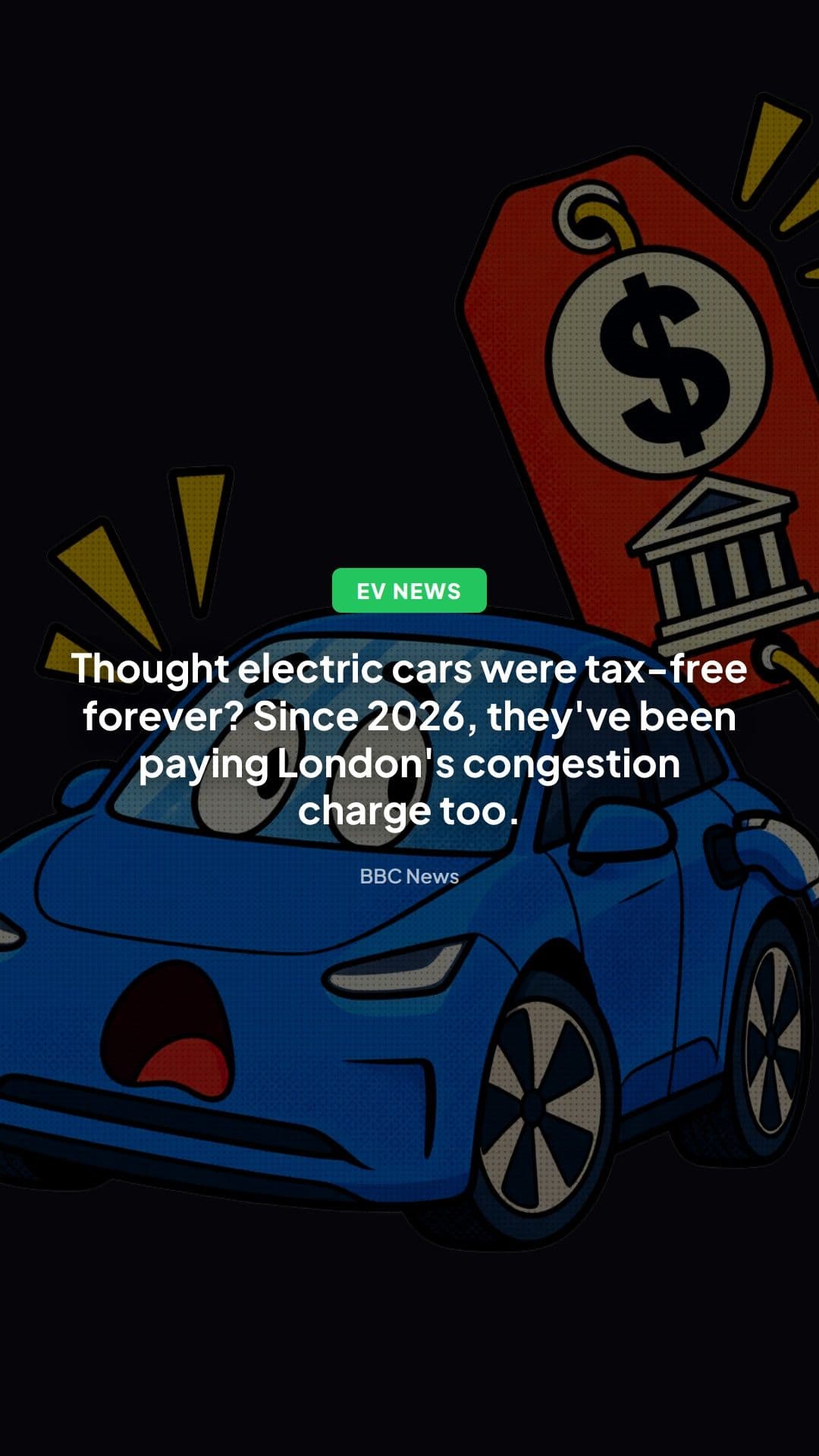
The most eye-catching detail buried in that summary is confirmation that electric vehicles became liable for London's congestion charge in 2026. For over two decades, EVs enjoyed a full exemption from the £15 to £18 daily charge for driving in central London. That exemption has now been phased out, meaning EV drivers heading into the capital face the same daily fee as everyone else, regardless of what is under the bonnet.
Why It Matters
To understand why this matters, you have to look back at how EVs were originally incentivised. When electric cars were a niche, expensive proposition, the Treasury and City Hall both used tax breaks to nudge early adopters towards them. Zero Vehicle Excise Duty, zero congestion charge, generous purchase grants and rock-bottom company car tax rates all combined to make switching to electric financially attractive, even before you factored in cheaper running costs.
That approach worked, arguably too well from the perspective of the public finances. As EV sales climbed and combustion car sales stagnated, two problems emerged. Fuel duty, one of the Treasury's largest and most reliable revenue streams, began facing a long-term decline as fewer drivers filled up with petrol and diesel. At the same time, London's congestion charge zone started filling up with electric cars that, while producing no tailpipe emissions, still take up exactly the same amount of road space and contribute just as much to gridlock as any other vehicle.
Removing the incentives was, in that sense, inevitable. A tax break designed to kick-start a market becomes an expensive anomaly once that market matures. The government has already begun clawing back the VED exemption for electric cars, and Transport for London has followed suit with the congestion charge, arguing that traffic congestion, not tailpipe pollution, is the primary justification for the charge in the first place.
This is a pattern worth watching closely if you drive an EV, or are thinking about buying one. The generous perks that made electric motoring look like a one-way bargain are steadily being unwound as the government tries to build a fairer, more sustainable tax base for a road network increasingly populated by electric cars.
The Legal Angle
The legal framework behind all of this sits across several pieces of legislation and administrative schemes, and it is worth knowing the basics.
Vehicle Excise Duty (VED), commonly called road tax, is governed by the Vehicle Excise and Registration Act 1994, with rates and exemptions updated through subsequent Finance Acts and Treasury regulations. Electric cars lost their blanket VED exemption, meaning owners now pay road tax in line with conventionally fuelled vehicles of similar value, including the so-called "expensive car" supplement on pricier models. This is a significant change from the position that existed for most of the 2010s and early 2020s, when zero-emission vehicles were VED-exempt as a matter of course.
The London congestion charge operates under powers granted to Transport for London through the Greater London Authority Act 1999 and subsequent transport strategy instruments. TfL has discretion to set exemptions and discounts, which is how the EV exemption existed in the first place and how it has now been withdrawn. Because this is a locally administered charge rather than a national tax, drivers should expect other cities or future London policy tweaks to move independently of Westminster's decisions on VED or fuel duty.
Company car tax (Benefit-in-Kind), set by HMRC, has also seen electric vehicle rates begin to rise gradually from their historic lows, though EVs generally remain more favourable than petrol or diesel equivalents for company car drivers, at least for now.
The 2030 phase-out target itself is not, strictly speaking, a ban enforced by a single piece of primary legislation banning ownership or driving of petrol and diesel cars. It is a sales restriction, meaning new purely petrol and diesel cars will not be permitted to be sold from that date, but existing petrol and diesel cars already on the road can continue to be driven, bought and sold second-hand indefinitely. Hybrids get an additional grace period until 2035 before they too are phased out of new sales. This target has been subject to political wobbles, having been pushed back and reinstated more than once depending on the government of the day and pressure from manufacturers, and it remains a live political football rather than a fixed, immovable date.
What Drivers Should Know
If you currently drive, or are considering buying, an electric vehicle, there are some practical points worth bearing in mind.
Check your VED liability before you buy. The days of "free road tax" as a blanket EV selling point are gone. Higher-value electric cars can attract the expensive car supplement just as petrol and diesel equivalents do, so factor this into your running cost calculations rather than assuming zero ongoing tax.
Budget for the congestion charge if you drive into central London. EV drivers who previously enjoyed free entry to the zone now need to pay the standard daily rate like everyone else. If you regularly commute or make deliveries into the congestion charge zone, this is a genuine new running cost that did not exist before 2026, and it is worth checking TfL's official guidance for the current rate and payment methods to avoid a penalty charge notice for non-payment.
Watch for regional variation. Congestion charging, clean air zones and low emission zones are set locally, not nationally, so what applies in London will not necessarily apply in Birmingham, Bristol or Manchester. Always check the specific rules for the city you are driving into.
Don't assume the 2030 date guarantees anything about your existing car. If you own a petrol or diesel car today, nothing about the phase-out target affects your right to keep driving it, insuring it, or selling it privately. The target only restricts the sale of new combustion-only vehicles from that date onward, and even then, hybrids remain available until 2035.
Keep an eye on company car tax if you have a salary sacrifice or fleet EV. Benefit-in-kind rates for electric vehicles are creeping upward gradually, so calculations that looked attractive a few years ago may need revisiting.
If you receive a penalty for non-payment of a congestion charge or believe you were wrongly charged, you have a formal right to challenge it. Penalty charge notices from TfL and other authorities can be contested through the proper channels, and it is always worth checking the specific circumstances of your case rather than assuming a charge is correct.
Looking Ahead
The direction of travel is now fairly clear. As electric vehicles move from niche to mainstream, expect the tax and charging landscape to keep converging with that for petrol and diesel cars, rather than diverging from it. The generous early incentives served their purpose in kick-starting adoption, and the Treasury and local authorities alike are now recalibrating to protect revenue and manage congestion in a world where the fuel type under the bonnet matters less than the space a vehicle takes up on the road.
The 2030 target itself remains politically sensitive. Manufacturers have lobbied for flexibility, environmental campaigners want firm dates kept, and successive governments have shown a willingness to adjust the finer detail even while nominally standing behind the headline commitment. Drivers weighing up their next car purchase would do well to treat 2030 as a strong signal of direction rather than a hard guarantee that nothing will change between now and then. Staying informed through official government and TfL guidance, rather than relying on assumptions carried over from a few years ago, is the safest way to avoid an unwelcome tax or charging surprise.
Written by
The Parking Ticket Pal Editorial Team
Source-checked parking guidance
Ready to Challenge Your Ticket?
Let our AI analyse your PCN and generate a professional appeal letter in minutes.
Start Free Appeal