
Dover Parking Restrictions: 16 PCNs in One Weekend
Sixteen PCNs were issued after new Walmer parking restrictions began. Discover why Dover council is removing the two-hour limit after residents objected.

The Parking Ticket Pal Editorial Team
23 November 202610 min read
You park where you have always parked. You pop to the beach, the shops or a friend's house. When you come back, there is a Penalty Charge Notice (PCN) under the wiper. Nothing looked different, and nobody told you the rules had changed.
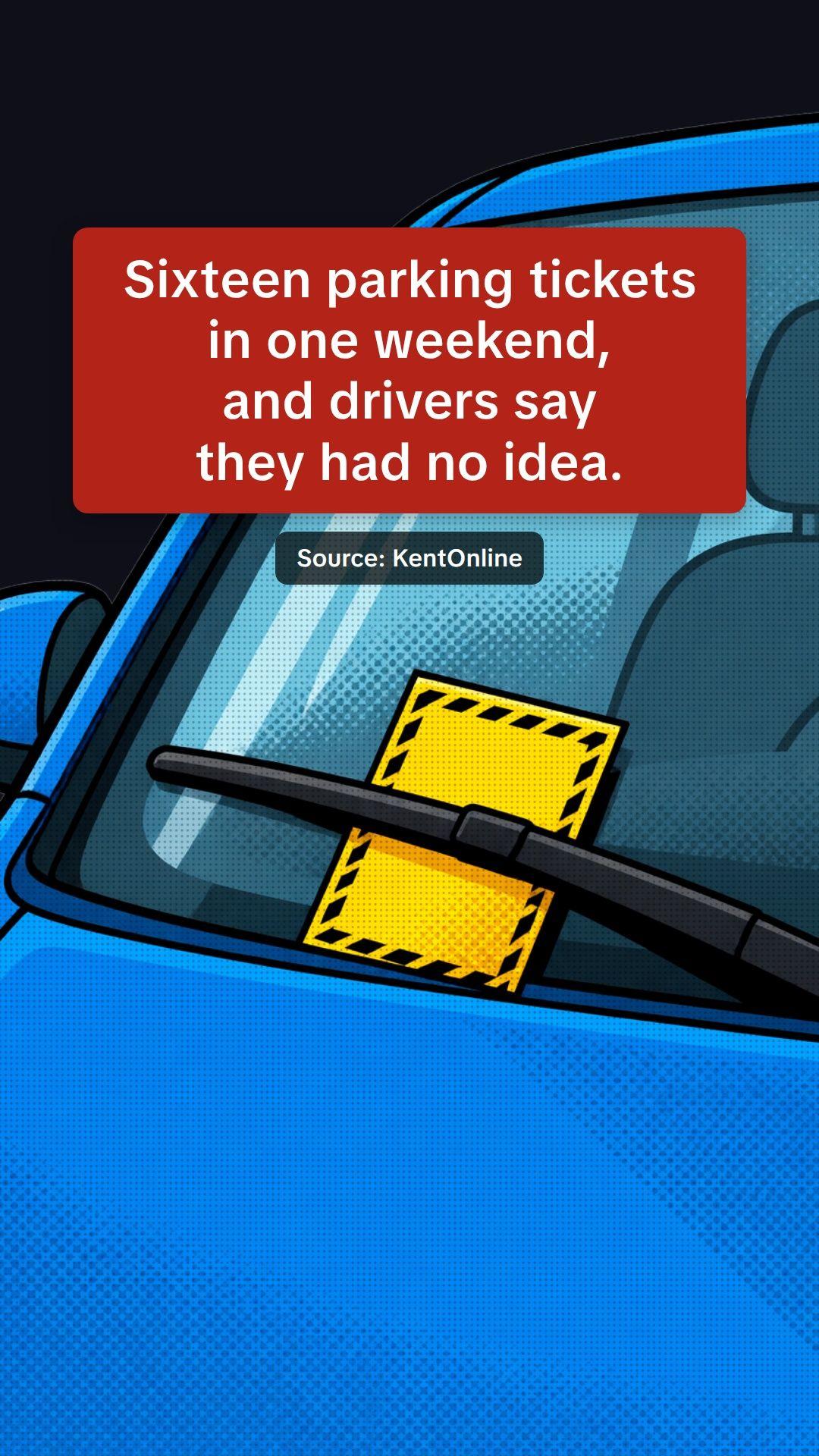
That was the experience of drivers on Marine Road in Walmer, Kent, over one weekend. According to KentOnline, Dover District Council issued 16 tickets in the first weekend of a new two-hour parking limit. After residents objected, the council agreed to remove the restrictions and consult again.
The story ended better than most, but it raises questions that affect drivers well beyond one seafront road. How should new rules be introduced? What can you do if you are caught out? And does "we had no idea" count for anything legally?
What happened on Marine Road
The facts, as reported, are short. A new two-hour time limit came into force on Marine Road in Walmer. Over the first weekend, enforcement officers issued 16 tickets. Drivers told the local paper they had no idea the restriction existed, hence the headline quote. Residents objected, and the council agreed to remove the restrictions and carry out another consultation.
The coverage does not say what happens to the 16 tickets that were issued, so I will not guess. Anyone who received one should check directly with the council or look at any letters that arrive. What we can say is that the council's retreat suggests the rollout did not go as planned.
Walmer is a seaside town on the Kent coast, and seafront roads often come under pressure from visitors, residents and day-trippers competing for limited space. Councils commonly introduce time limits to encourage turnover and stop all-day parking. The source does not set out the reasons behind this particular scheme, so treat that as general context only.
Why this matters more than 16 tickets
Sixteen tickets is hardly a headline-grabbing number. The reason this story resonates is that it highlights a gap every driver can fall into: the gap between a restriction legally existing and a motorist actually knowing about it.
Weekends are when new rules bite hardest. Visitors and occasional users are the people least likely to know about a recent change. Locals who walk past a sign daily will notice it. Someone arriving for a seaside day out is far more likely to assume the road works as it always has. If the signs are easy to miss, new restrictions can catch a lot of people in a short time.
The first days of any scheme are sensitive. Councils often say enforcement is about managing traffic, not raising money. Whether or not that is true in a given case, issuing tickets immediately after a change makes it look like the opposite. Drivers who feel ambushed lose trust in the whole process, and the Marine Road reaction shows how quickly that can happen.
Consultation is not a formality. The council's decision to remove the restrictions and consult again is notable. It implies residents felt the earlier process had not given them a proper voice. Proper engagement before restrictions arrive costs far less than reversing course afterwards, and it avoids the anger of a weekend of unexpected tickets.
The legal angle: how parking restrictions are meant to work
In England, on-street parking restrictions are created through Traffic Regulation Orders (TROs). These are legal documents made under road traffic legislation, and they set out exactly what is restricted, where and when. Outside London, civil parking enforcement is carried out under the Traffic Management Act 2004 and its associated regulations.
There are two broad ideas worth understanding.
1. The order must be validly made
Councils must follow a statutory process before a TRO takes effect. In general terms, that includes publishing notice of the proposal and allowing a period for objections. The detailed procedure is set out in regulations on local authority traffic orders. If the process was not followed properly, the restriction may not be enforceable.
This is one reason a "consultation" matters in law as well as politics. A properly run process is part of what makes a restriction valid. Whether any procedural failing occurred on Marine Road is not something the report tells us, and I am not suggesting one did. But it is the type of question that a driver or adjudicator could ask.
2. The signs and road markings must be adequate
Restrictions must be indicated by signs and markings that comply with the Traffic Signs Regulations and General Directions 2016, and they must be clear enough for a driver to understand what applies. A time plate that is missing, hidden, faded or contradictory can undermine an otherwise valid restriction. Adjudicators at the independent tribunal look closely at what a driver could reasonably see on the ground.
Our guide to using unclear parking signs as a defence covers this in more detail, and decoding UK parking signs is a useful companion if you want to know what you should expect to see.
Does "I had no idea" work?
On its own, not usually. Ignorance of a restriction is generally not a defence if the restriction is valid and properly signed. A driver is expected to read the signs where they park.
But "we had no idea" can be a clue that something is wrong. If lots of drivers did not notice the restriction, that may point to signage that was inadequate, which is a recognised ground of challenge. The distinction is between "I did not look" and "there was nothing reasonable to see". The first rarely succeeds. The second can.
Also, there is no general legal rule that councils must give a grace period when a restriction is new. Official statutory guidance encourages authorities to enforce fairly and proportionately, and a period of warnings is a sensible approach that some authorities take. But it is a matter of discretion, not a right you can insist on. For private car parks there are separate grace-period rules, which we cover in understanding grace period regulations.
What drivers should know: practical advice
This is general information rather than advice on any individual ticket. If the stakes are significant, official guidance or a qualified adviser is the place to go. With that in mind, here are some practical points.
Before you leave your car
- Look for signs at both ends of the road and near your space. Restrictions can change, even on roads you know well.
- Read the full time plate. The days, hours and maximum stay all matter. A two-hour limit may only apply at certain times.
- Check the road markings too. Yellow lines, bay markings and kerb marks form part of the restriction.
- Take photos. If the restriction looks unclear, a quick set of pictures showing the signs, the road and your vehicle can be valuable later.
- Note your arrival time. In a limited-waiting zone, proof of when you arrived and left matters.
If you receive a PCN
- Read it carefully. It will state the alleged contravention and the date, time and location. Check these details against what actually happened.
- Note the deadlines. Councils in England typically offer a reduced amount if you pay within a set period, usually 14 days. You will lose that discount if you challenge and the challenge fails at the first stage, though the discount may be reoffered in some circumstances. Check the notice itself for the exact terms.
- Challenge in writing, with evidence. Photos of signage, dates and times are far more persuasive than a general complaint. Our guide to informal PCN appeals includes a template.
- Understand the stages. If an informal challenge is rejected, the process can move to a Notice to Owner and formal representations, and then to the independent Traffic Penalty Tribunal if still refused. See our guides to formal representations and the Traffic Penalty Tribunal process.
- Do not ignore it. Unpaid, unchallenged charges can escalate. If something goes wrong, deadlines and routes are set out in the paperwork and on the council's website.
If your PCN is part of a wider controversy
When a restriction is withdrawn or consultation reopened, as in Walmer, tickets issued during the period may be reviewed. Councils sometimes cancel tickets in these circumstances, but not automatically, and it varies. If you are affected, do not assume anything has been cancelled. Contact the council in writing, refer to the news about the change, and keep copies. Where a challenge window is running, make sure you meet the deadline rather than waiting for a decision that may never come.
Looking ahead: what this means going forward
The Marine Road episode is a small example of a bigger trend. Councils across England face pressure to manage kerb space, whether for tourist areas, residents or traffic flow. At the same time, public attitudes toward parking enforcement can be sceptical, particularly where it is seen as a revenue stream. Government has also been reviewing parking enforcement more generally, and the rules around charges and enforcement continue to evolve. Check current official guidance, as figures and procedures can change.
For local authorities, the lessons are fairly clear:
- Communicate early. Signs, local press, social media and direct contact with residents all help.
- Consider a warning period. Even a short window of warning notices can protect trust.
- Check signage after installation. A walk-through at the weekend, from a driver's eye view, can reveal missing or confusing signs.
- Consult properly. Reopening consultation, as Dover has agreed to do, is better than defending a poorly received scheme.
For drivers, the takeaway is to treat every parking spot, however familiar, as a place where the rules might have changed. Spending 30 seconds reading signs is cheap compared with a PCN. And if you are caught out by something that genuinely was not clear, the system does give you routes to challenge, as long as you act promptly and keep evidence.
The residents of Walmer have shown that objecting can work. Whether the revised scheme returns, and in what form, will depend on the next consultation. If you use Marine Road or anywhere else on the Kent coast, it is worth watching local council notices so that the next change does not catch you out.
This article is general information about UK parking and motoring rules and is not legal advice. For specific circumstances, consult official guidance or a qualified professional.
Written by
The Parking Ticket Pal Editorial Team
Source-checked parking guidance