Doctors Parking Permits UK: Who Qualifies & How to Apply
Need a doctors parking permit in the UK? Learn who qualifies, how NHS/GP permits work, what councils allow, and how to avoid PCNs when on duty.

Yuki Tanaka
23 April 2026
Doctors Parking Permits UK: Who Qualifies & How to Apply
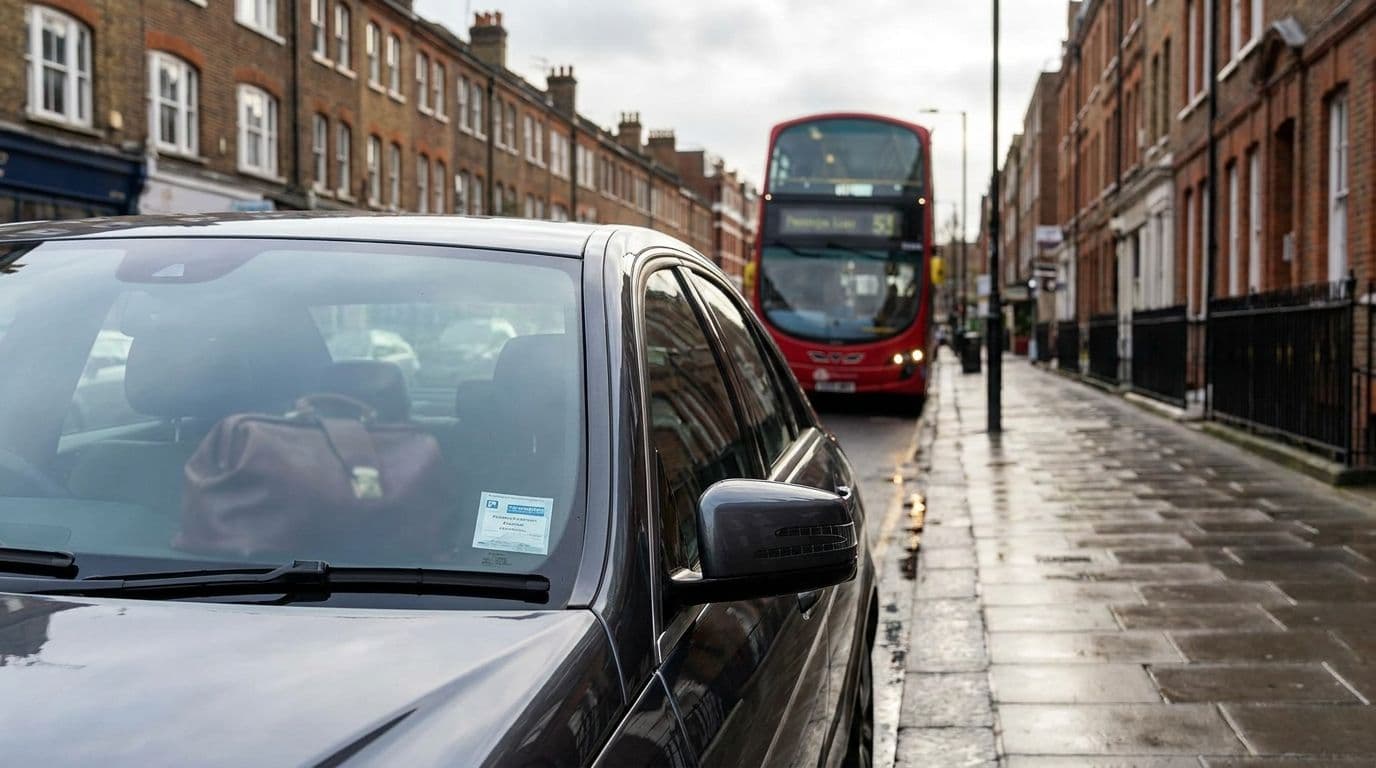
Picture this: you're a GP on an urgent home visit, you've parked as close as you can to a patient's door, and you return to find a £70 Penalty Charge Notice tucked under your wiper. You were there for twenty minutes. You were working. It happens more than you'd think — and it's entirely avoidable if you know the rules.
Parking for medical professionals in the UK is a genuinely complicated area. There's no single national "doctor's parking permit" that works everywhere. Instead, there's a patchwork of NHS trust schemes, council-issued permits, exemptions, and local arrangements — and navigating them requires a bit of know-how. This guide breaks it all down.
What Is a Doctor's Parking Permit, Exactly?
The term "doctor's parking permit" actually covers several different things depending on context:
- NHS trust or hospital-issued permits — for staff parking on hospital grounds or nearby council-managed streets
- Council-issued on-call doctor permits — allowing GPs and other healthcare workers to park in resident permit bays or restricted zones during home visits
- Exemption letters or cards — issued by GP surgeries or NHS bodies, used as supporting evidence when challenging a PCN
- Blue Badge — available to some healthcare workers with disabilities, but that's a separate scheme entirely
The key distinction is where you need to park. Hospital staff parking is largely managed internally by NHS trusts. It's the on-street parking during community visits where things get complicated — and where most PCNs land.
NHS and Hospital Staff Parking Permits
If you work on a hospital site, your trust will manage parking through its own internal scheme. These typically involve:
- Staff permit zones within the hospital car park
- Annual or monthly charges (controversial, given the NHS Staff Council's 2019 guidance recommending free parking for staff in England)
- Permit allocation systems, often based on shift patterns or distance from home
Pro tip: If your trust charges for parking, check whether you're entitled to a reimbursement or subsidy. Many trusts still offer free parking for night shift workers, on-call staff, and those with caring responsibilities under NHS England guidelines.
Since 2020, NHS England committed to free parking for NHS staff, patients, and visitors in certain circumstances — particularly during and after the pandemic. While implementation has been patchy, it's worth raising with your HR or facilities team if you're still being charged.
Council Parking Permits for Doctors and GPs
This is where most community-based healthcare workers — GPs, district nurses, community midwives, palliative care teams — run into difficulty. You're visiting patients in residential streets, often in Controlled Parking Zones (CPZs), and you need somewhere to put the car.
Many councils across England offer specific on-call or healthcare worker permits. These aren't advertised prominently, but they exist. Here are some real examples:
- Westminster City Council offers a Medical Practitioner Permit, allowing eligible healthcare professionals to park in resident bays for limited periods during patient visits.
- Camden Council has historically issued permits to GPs and community nurses that allow parking in resident-only bays within their practice area.
- Southwark and Lambeth both have provisions for healthcare workers through their CPZ management frameworks.
The eligibility criteria vary, but typically you'll need to demonstrate:
- You're a registered medical or healthcare professional (GMC, NMC, or equivalent registration)
- You're employed or contracted to carry out home visits in the area
- Your GP surgery, NHS trust, or employer supports the application
- The visits are clinical in nature — not administrative
How to Apply for a Council Doctor's Parking Permit
There's no single national application process, so you'll need to go directly to the relevant council. Here's a general step-by-step:
- Identify the council covering the area where you regularly visit patients
- Check the council's parking permit pages — search "[council name] healthcare worker parking permit" or "on-call doctor parking permit"
- Gather your documents, which typically include:
- Proof of professional registration (GMC number, NMC pin, etc.) - A letter from your employer or practice manager confirming your role and visit areas - Vehicle registration details - Proof of address (for some schemes)
- Submit your application — most councils now handle this online, though some still require paper forms
- Display the permit correctly — usually on the dashboard, facing outward, clearly visible
Processing times vary. Some councils turn these around in a few days; others can take several weeks. Apply well in advance if you're starting a new role or moving to a new area.
Pro tip: If a council doesn't appear to offer a healthcare worker permit, call their parking services team directly. Many schemes exist but aren't well publicised online. A phone call can uncover options that the website doesn't mention.
Parking in Doctor Bays: The Rules You Need to Know
You'll see doctor bays marked on streets near GP surgeries — yellow lines with "Doctor" or "Doctor Only" signs. These are controlled under the Traffic Management Act 2004, and the rules are stricter than many drivers assume.
Only the specific vehicles authorised by the local traffic regulation order (TRO) may use these bays. That means:
- Parking there without the correct permit can result in a PCN under code 46 (parked in a doctor's bay without displaying a permit)
- Even actual doctors can receive a fine if they don't have the specific permit for that bay
- The bay is tied to the surgery it serves — you can't use a doctor bay outside a different practice just because you're a GP
If you receive a PCN for parking in a doctor bay, your appeal should focus on whether you had authorisation, whether the signage was clear, and whether the bay was in active use by the designated practice.
On-Call Doctors and Emergency Parking: What the Law Says
There's a common misconception that being a doctor on an emergency call gives you automatic parking exemptions. It doesn't — not in the same way blue lights do for emergency vehicles.
However, necessity and emergency circumstances can be used as grounds for appeal if you receive a PCN. If you parked urgently to attend a patient in immediate medical need, document everything:
- The time and nature of the visit
- Any correspondence with the patient or NHS 111/dispatch
- A statement from your practice or employer
Councils and adjudicators at the Traffic Penalty Tribunal have shown sympathy in genuine emergency cases, but you'll need evidence. "I'm a doctor" alone won't cut it.
Common Mistakes That Lead to PCNs
Even with the right permit, healthcare workers regularly pick up fines due to avoidable errors:
- Not displaying the permit correctly — it must be visible through the windscreen
- Parking outside the permit's valid hours — many council permits only cover specific time windows
- Using a permit in the wrong zone — permits are often tied to specific CPZ areas or streets
- Expired permits — renewal reminders aren't always sent; diarise your renewal date
- Parking in a suspended bay — even a valid permit doesn't override a suspension notice
What to Do If You Receive a PCN as a Healthcare Worker
Don't ignore it. Even if you believe you had every right to park there, a PCN left unaddressed escalates quickly.
Your immediate steps:
- Photograph the scene — signs, bay markings, your permit display
- Note the date, time, and reason for your visit
- Request evidence from the council (CCTV footage, the CEOs observation notes)
- Submit an informal challenge within 14 days to retain the 50% discount option
- Escalate to formal representation if the informal challenge is rejected
- Appeal to the Traffic Penalty Tribunal (TPT) or POPLA (for private land) as a last resort
Actionable Next Steps
Here's what to do right now depending on your situation:
- Community healthcare worker with no permit: Contact the parking services team at every council covering your regular visit areas. Ask specifically about healthcare worker or on-call permits.
- Hospital-based staff being charged for parking: Check your trust's parking policy against NHS England's free parking guidance and raise it with your HR team.
- Just received a PCN on a home visit: Gather your evidence immediately and submit an informal challenge. Don't pay until you've explored your options.
- Unsure if your permit covers a specific street: Check the council's CPZ map or call parking services before you park — not after.
Parking as a healthcare professional in the UK shouldn't be this complicated, but the system is what it is. The good news? Once you know how to navigate it, you can protect yourself, focus on your patients, and keep the PCNs where they belong — out of your life entirely.
Written by
Yuki Tanaka
Urban Planning Researcher
Ready to Challenge Your Ticket?
Let our AI analyse your PCN and generate a professional appeal letter in minutes.
Start Free Appeal